The Biggest Myth About Eating Shrimp Cocktail During Pregnancy (And What’s Actually Safe)
Can You Eat Shrimp Cocktail While Pregnant? The Complete Safety and Nutrition Guide

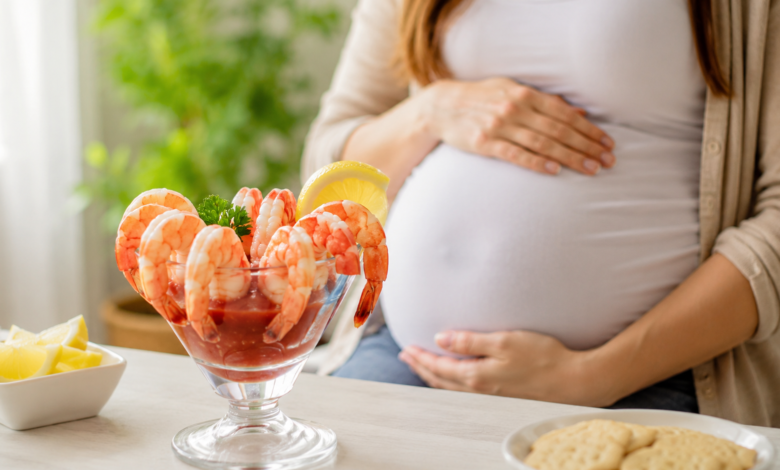
Shrimp cocktail is one of the most commonly questioned foods during pregnancy — and the confusion is understandable. Pregnancy food guidelines involve seafood, raw foods, refrigerated foods, and mercury limits, all at once.
Is Shrimp Cocktail Safe During Pregnancy?
Yes properly cooked, freshly served shrimp cocktail is safe to eat during pregnancy. The key word is properly cooked. Shrimp cocktail in its standard form consists of boiled or steamed shrimp served cold with cocktail sauce. Because the shrimp is fully cooked before serving (not raw), it does not carry the pathogen risk associated with raw seafood.
The FDA and USDA both classify shrimp as a “best choice” seafood for pregnant women — meaning it’s in the lowest mercury category and is recommended for regular consumption (2–3 servings per week) throughout pregnancy. This recommendation explicitly includes cooked shrimp in cold preparations like shrimp cocktail, as long as the shrimp was thoroughly cooked and properly stored before eating.
Is Cocktail Shrimp Raw or Cooked?
This question comes up more than expected, and the answer is almost always: fully cooked.
Commercial shrimp cocktail — whether purchased pre-made from a grocery store, served at a restaurant, or as part of a party platter — uses shrimp that has been boiled or steamed to an internal temperature that kills pathogens. The pink color of cocktail shrimp is the result of cooking, not the natural color of the raw shrimp (which is grey-translucent). A cooked shrimp that has been chilled is not the same as a raw shrimp.
The confusion sometimes comes from the word “cold” — because shrimp cocktail is served cold, some people assume it’s raw. Cold temperature and raw are not the same thing. Cold storage slows bacterial growth but doesn’t cook anything. Shrimp cocktail is cooked hot and then chilled for service — a standard food preparation method with no safety concern when the refrigeration chain is maintained.
One important exception: Some high-end restaurants and specialty seafood bars serve a preparation called “raw shrimp cocktail” or “live shrimp cocktail” — this is an entirely different product where the shrimp is genuinely uncooked. If you’re pregnant, you need to confirm with the server that the shrimp was cooked before ordering. Standard shrimp cocktail at any casual or mid-range restaurant will be cooked; at sushi bars or raw bars, always verify.
Can You Eat Shrimp Cocktail While Pregnant First Trimester?
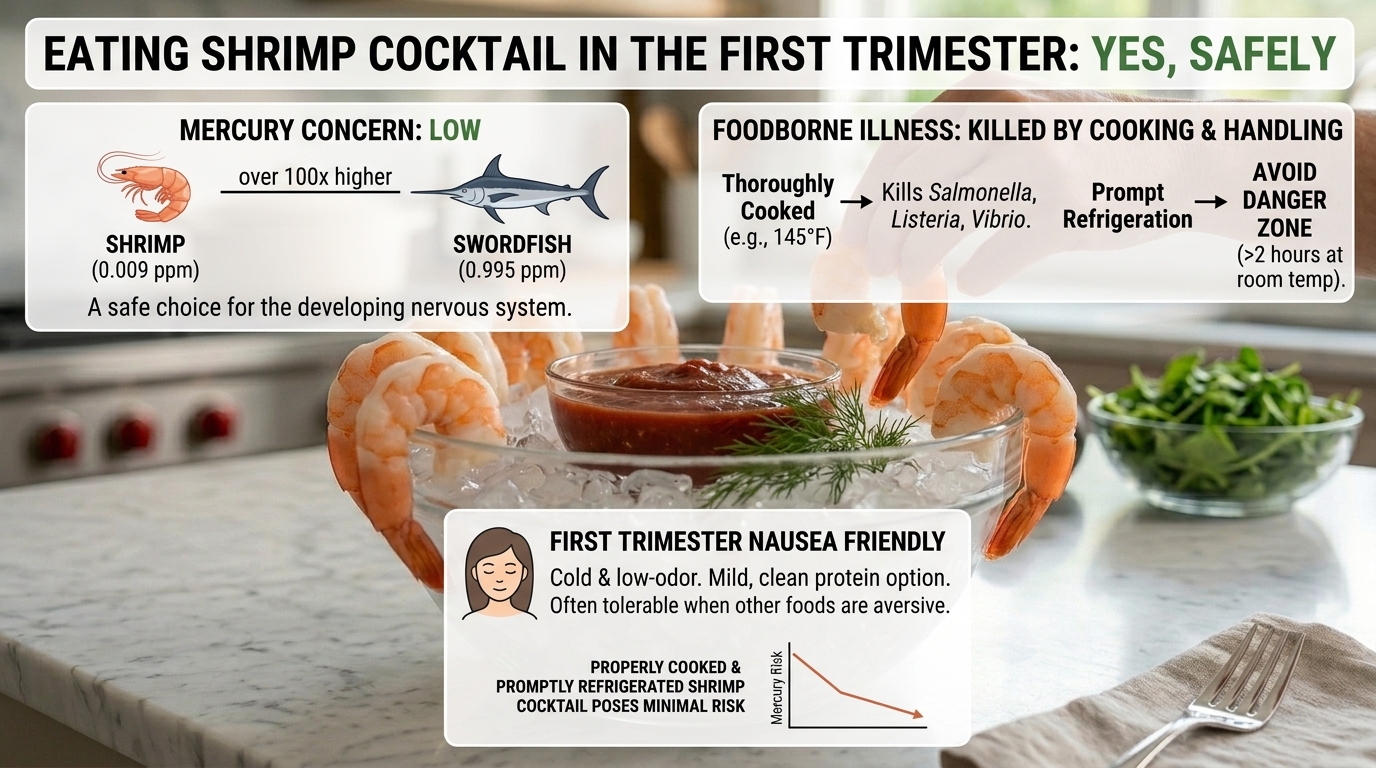
Yes — with the same conditions that apply throughout pregnancy. The first trimester is often when food anxiety is highest because it’s when the embryo is most vulnerable to environmental exposures and when nausea makes eating complicated in general.
The specific concerns in the first trimester around seafood are mercury and foodborne pathogens — both of which are addressed by choosing low-mercury species like shrimp and ensuring the shrimp is properly cooked.
Mercury in the first trimester: The developing nervous system in the first trimester is sensitive to methylmercury exposure. Shrimp’s mercury content is extremely low — among the lowest of all seafood at approximately 0.009 ppm (parts per million), well below the FDA’s concern threshold. By comparison, swordfish averages 0.995 ppm — over 100 times higher. Eating shrimp during the first trimester does not meaningfully contribute to mercury exposure.
Foodborne illness in the first trimester: The immune system is suppressed during pregnancy — particularly in the first trimester — to prevent the mother’s body from rejecting the embryo. This suppression increases susceptibility to foodborne pathogens like Listeria monocytogenes, Salmonella, and Vibrio. All of these are killed by thorough cooking. Properly cooked and promptly refrigerated shrimp cocktail poses a minimal risk. The risk window is in improper storage — shrimp cocktail left at room temperature for more than 2 hours (or 1 hour if ambient temperature exceeds 32°C/90°F) enters the bacterial growth danger zone regardless of how well it was originally cooked.
Nausea consideration: Many pregnant women in the first trimester find that the mild, clean flavor of cold cooked shrimp is one of the more tolerable protein options during morning sickness. Unlike heavily seasoned or hot foods, cold shrimp cocktail is low-odor and gentle on a sensitive stomach — a practical advantage in the first trimester that most pregnancy nutrition articles don’t acknowledge.
Can You Eat Shrimp Cocktail While Pregnant Second Trimester?
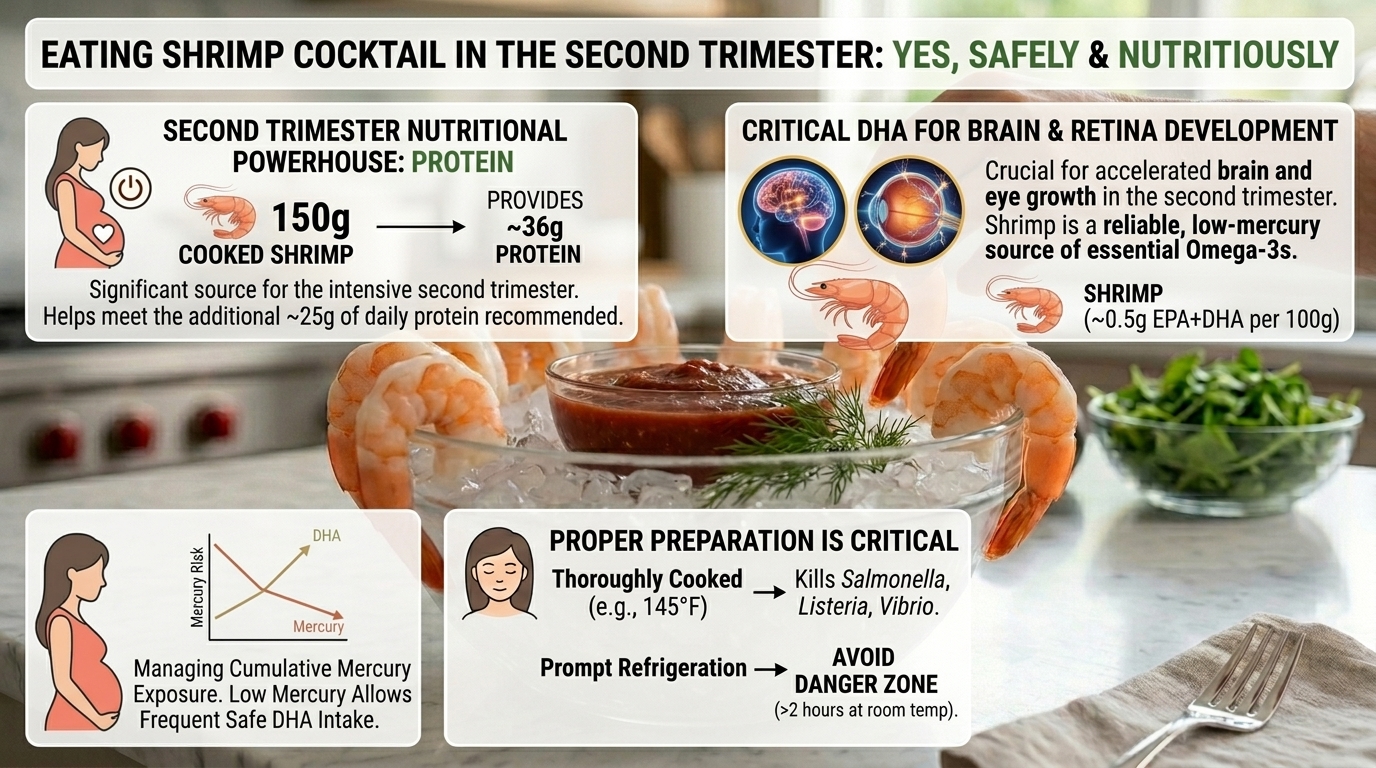
The second trimester is generally considered the most nutritionally demanding and also the most manageable period of pregnancy — nausea typically subsides, appetite increases, and the body’s nutritional requirements for fetal development are at their most intensive.
Shrimp cocktail during the second trimester is safe under the same conditions as the first trimester, with the additional context that the increased appetite and nutritional demand makes shrimp a particularly practical protein choice. A 150g serving of cooked shrimp provides approximately 36g of protein — meeting a significant portion of the additional ~25g of daily protein recommended during pregnancy.
DHA and brain development in the second trimester: The second trimester is when fetal brain development accelerates significantly. DHA (docosahexaenoic acid), an omega-3 fatty acid, is one of the primary structural components of brain tissue and the retina. Shrimp contains approximately 0.5g of EPA+DHA per 100g — a meaningful contribution at a low mercury cost. While fatty fish like salmon provides higher omega-3 concentrations, shrimp’s low mercury status makes it a reliable choice for women who eat seafood frequently and want to manage cumulative mercury exposure across multiple sources.
Can You Eat Shrimp Cocktail While Pregnant Third Trimester?
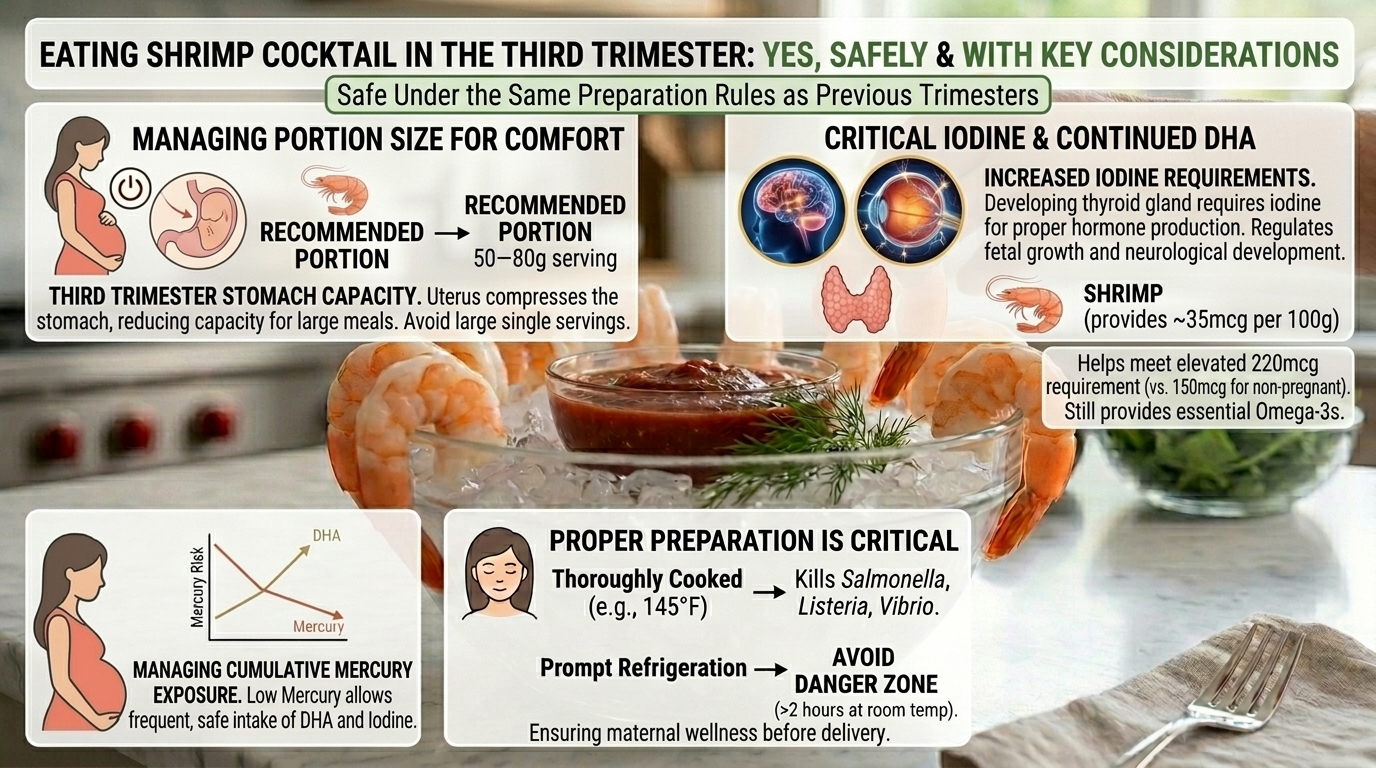
Yes — safe in the third trimester under the same conditions. The third trimester brings additional considerations around digestive comfort (the expanding uterus compresses the stomach, reducing capacity for large meals) and preparation for delivery.
Iodine in the third trimester: Iodine requirements increase during pregnancy — the developing thyroid gland requires iodine for proper hormone production, which regulates fetal growth and neurological development. Shrimp is one of the most reliable dietary iodine sources, providing approximately 35mcg per 100g. With the recommended daily iodine intake during pregnancy at 220mcg (compared to 150mcg for non-pregnant adults), shrimp contributes meaningfully to meeting this elevated requirement.
Portion size in the third trimester: With reduced stomach capacity in the third trimester, smaller and more frequent servings of shrimp cocktail (50–80g rather than 150g at once) may be more comfortable than a single large serving. The nutritional benefit is the same regardless of how the daily intake is distributed.
Can I Eat Cold Shrimp While Pregnant?
Cold temperature itself is not a pregnancy food concern — the concern is whether the food was properly cooked before being chilled and whether it has been stored correctly. Cold, properly cooked shrimp that has been continuously refrigerated at or below 4°C (40°F) is safe to eat during pregnancy.
The practical concerns around cold shrimp during pregnancy:
Storage time: Cooked shrimp stored refrigerated should be consumed within 3–4 days. Beyond this window, even properly stored cooked shrimp carries increasing bacterial risk — particularly Listeria, which unlike most bacteria can continue to grow slowly even at refrigerator temperatures.
Temperature exposure history: Pre-packaged shrimp cocktail from grocery stores has a clear use-by date based on maintained cold chain integrity. Restaurant shrimp cocktail served at a buffet or event where it has been sitting at room temperature for an extended period is the higher-risk scenario during pregnancy — the 2-hour room temperature limit applies.
Homemade cold shrimp: Shrimp you cook at home, cool promptly, and refrigerate immediately is the safest form of cold shrimp during pregnancy because you control the entire process. The recipe below is built around this principle.
Benefits of Shrimp During Pregnancy
Shrimp is genuinely one of the better seafood choices during pregnancy, not just a permissible one. The nutritional profile is well-aligned with pregnancy-specific needs across all three trimesters.
Protein for fetal development: Pregnancy increases daily protein requirements to approximately 70–100g depending on trimester and body weight. Shrimp at 24–25g of protein per 100g cooked weight is among the most protein-efficient foods available — more protein per calorie than most other animal proteins, including many cuts of chicken and beef.
Omega-3 fatty acids (DHA/EPA): Essential for fetal brain, eye, and nervous system development. The American College of Obstetricians and Gynecologists recommends pregnant women consume at least 200mg of DHA daily. A 150g shrimp serving provides approximately 750mg of EPA+DHA — well above this minimum.
Iodine for thyroid function: As noted above, shrimp is a reliable iodine source at a time when iodine requirements are elevated. Iodine deficiency during pregnancy is associated with impaired fetal neurological development.
Selenium: Shrimp provides approximately 38mcg of selenium per 100g — approximately 70% of the daily recommended intake. Selenium supports thyroid function, acts as an antioxidant protecting fetal cells from oxidative damage, and supports maternal immune function during the period of immune suppression.
Vitamin B12: Essential for neurological development and the formation of the neural tube in early pregnancy. Shrimp provides approximately 50% of the recommended daily B12 intake per 100g serving.
Zinc: Important for cell division and DNA synthesis during rapid fetal growth. Shrimp provides approximately 1.5mg of zinc per 100g — a meaningful contribution toward the elevated pregnancy requirement of 11–12mg daily.
Low mercury: Unlike many nutrient-rich seafood options, shrimp’s low position on the food chain means minimal mercury accumulation. This allows frequent consumption (up to 2–3 servings per week) without mercury exposure concern — an important distinction from high-omega-3 species like shark, swordfish, or king mackerel that must be strictly limited.
Can Pregnant Women Eat Raw Shrimp?
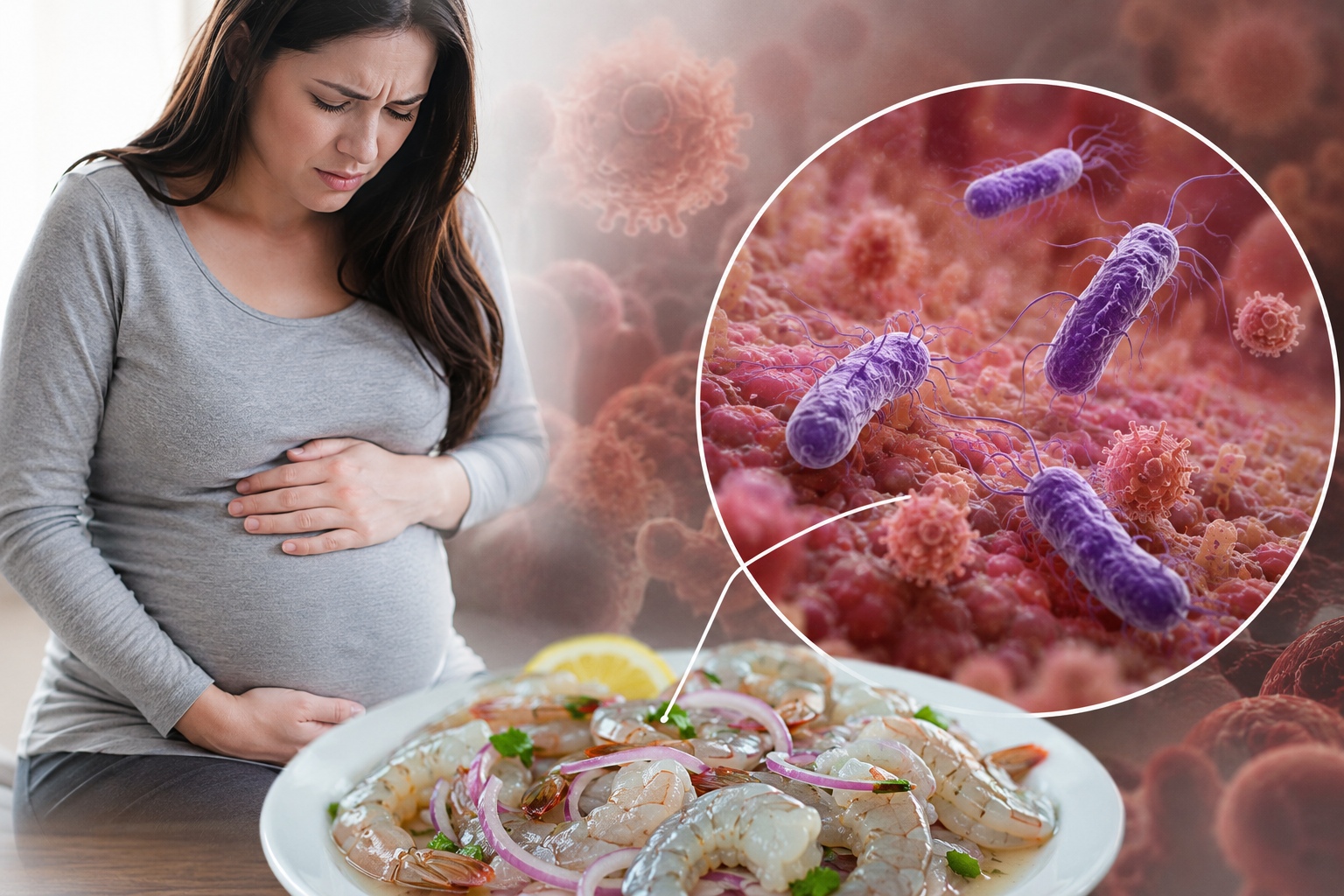
No — raw shrimp is not safe during pregnancy. This applies to any preparation where shrimp has not been cooked to an internal temperature of at least 63°C (145°F).
Raw shrimp can harbor Vibrio bacteria — particularly Vibrio parahaemolyticus and Vibrio vulnificus — which are marine bacteria naturally present in warm coastal waters where shrimp are harvested. These bacteria are killed by thorough cooking but survive in raw or undercooked shrimp. Vibrio infections during pregnancy can cause severe gastroenteritis and, in rare cases, more serious systemic illness given the immune suppression of pregnancy.
Listeria monocytogenes is another concern in raw or lightly handled seafood. While Listeria is relatively rare in properly handled raw shrimp, it can colonize processing environments and has been documented in pre-cooked frozen shrimp that was recontaminated during processing. Pregnant women are approximately 10 times more susceptible to Listeria infection than the general population, and infection during pregnancy can cause miscarriage, premature birth, or serious neonatal illness.
Ceviche: Raw shrimp “cooked” in citrus acid (as in ceviche) is not safe during pregnancy. The acid changes the color and texture of the shrimp and denatures some proteins, but it does not achieve the temperature needed to kill Vibrio, Listeria, or Salmonella. This is one of the most common seafood safety misunderstandings during pregnancy.
How Much Shrimp Cocktail Can I Eat While Pregnant?
The FDA’s current guidance places shrimp in the “best choices” category alongside other low-mercury seafood like salmon, sardines, tilapia, cod, and canned light tuna. The recommendation for pregnant women in this category is 2–3 servings per week, with a serving defined as approximately 113g (4 oz) of cooked seafood.
For shrimp cocktail specifically, this translates to 2–3 servings of approximately 100–120g of cooked shrimp per week across all seafood sources combined — not 2–3 servings of shrimp in addition to other seafood. If you eat salmon on Tuesday and tuna salad on Thursday, a modest shrimp cocktail serving (80–100g) on Saturday fits comfortably within the weekly guideline.
Is more shrimp safe? Some nutrition-focused obstetricians note that the 2–3 servings per week guideline is partially a mercury-management figure, and since shrimp’s mercury is so low, the restriction for shrimp specifically is more about dietary variety than toxin avoidance. However, the standard public health guidance remains at 2–3 servings per week of combined low-mercury seafood, and following this recommendation remains the appropriate conservative position.
Is Shrimp Cocktail Sauce Safe During Pregnancy?
Standard commercial cocktail sauce — the tomato-horseradish condiment served with shrimp cocktail — is safe during pregnancy. It’s a cooked, preserved condiment with no raw ingredients that pose pathogen risk.
Ingredients in standard cocktail sauce:
- Tomato ketchup or tomato paste (cooked and processed)
- Prepared horseradish (the root, grated and preserved in vinegar)
- Lemon juice
- Worcestershire sauce
- Hot sauce (optional)
None of these ingredients are contraindicated during pregnancy at the quantities consumed in a serving of cocktail sauce (typically 2–3 tablespoons per serving). Horseradish in food quantities is safe — concerns about horseradish during pregnancy apply to medicinal-strength concentrated extracts or supplements, not the small amount in cocktail sauce.
Sodium consideration: Commercial cocktail sauce can be high in sodium — approximately 300–400mg per 2 tablespoons serving. During pregnancy, where blood pressure monitoring is important, homemade low-sodium cocktail sauce (recipe below) is worth considering for women managing blood pressure or pre-eclampsia risk.
Mayonnaise-based sauces: Some shrimp cocktail presentations include a remoulade or Marie Rose sauce (mayonnaise + ketchup + lemon). Commercial mayonnaise is safe during pregnancy — it’s made with pasteurized eggs and is shelf-stable. Homemade mayonnaise made with raw eggs should be avoided during pregnancy; use commercial mayonnaise or pasteurized egg versions for homemade sauce.
Pregnancy-Safe Shrimp Cocktail Recipe: Ingredients
This recipe is specifically constructed for pregnancy safety — controlling the entire preparation process from cooking to chilling.
Serves 2 | Protein per serving: ~36g | Calories: ~180 kcal (with sauce)
For the shrimp:
- 300g (10.5 oz) large raw shrimp, 26/30 count, shell-on (shell-on boiling produces juicier, more flavorful shrimp)
- 8 cups water
- 1 tbsp fine sea salt
- 1 lemon, halved
- 3 bay leaves
- 4 garlic cloves, smashed
- 1 tsp whole black peppercorns
- Optional: ¼ cup dry white wine
For the pregnancy-safe cocktail sauce (low sodium):
- 4 tbsp tomato paste (lower sodium than ketchup)
- 1.5 tbsp prepared horseradish (from a jar, not raw)
- 1 tbsp fresh lemon juice
- 1 tsp Worcestershire sauce
- ¼ tsp hot sauce (optional)
- Pinch of black pepper
- Small pinch of salt (optional — taste first)
For serving:
- Lemon wedges
- Fresh parsley or dill
- Ice for presentation bowl (keeps shrimp cold at the table)
Step-by-Step Recipe Method
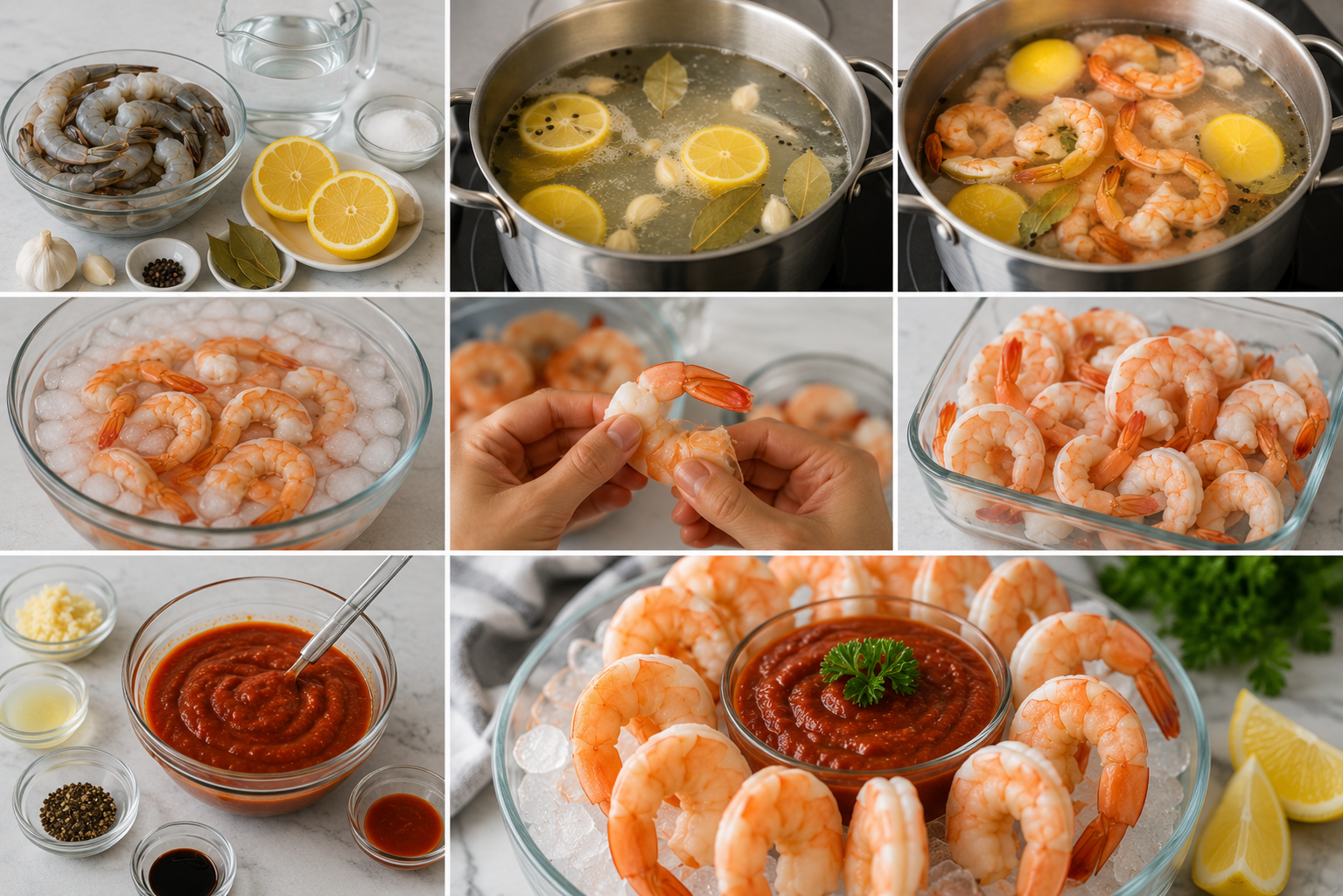
Step 1 — Prepare the aromatic boiling liquid: Combine water, salt, lemon halves (squeezed and dropped in), bay leaves, smashed garlic, black peppercorns, and wine if using in a large pot. Bring to a full rolling boil over high heat. This takes 8–10 minutes. The aromatic poaching liquid infuses flavor into the shrimp during cooking and is one of the most impactful steps most home versions skip.
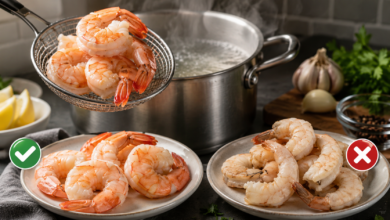
Step 2 — Cook the shrimp: Add shrimp to the fully boiling water. Cook large (26/30) shell-on shrimp for 3–4 minutes, watching for the loose C-shape visual cue — the shrimp curves but hasn’t tightened into a full O-shape. The flesh should be opaque throughout with no grey-translucent areas. For pregnancy safety, confirm the shrimp is fully opaque at the thickest part — not just at the edges.
Step 3 — Ice bath immediately: Transfer shrimp with a slotted spoon to a bowl of ice water. Have this ready before you start cooking. Submerge fully for 3 minutes. This stops cooking immediately and chills the shrimp to a food-safe temperature rapidly. Prompt chilling after cooking is a critical food safety step — particularly relevant during pregnancy where foodborne illness risk is elevated.
Step 4 — Peel and devein: Once fully chilled, peel shrimp leaving the tail on if desired for presentation. Remove the dark vein along the back by making a shallow cut and lifting it out. Rinse briefly under cold water. Pat dry gently with paper towels.
Step 5 — Refrigerate promptly: Place peeled shrimp in an airtight container and refrigerate immediately. Do not leave at room temperature. For a pregnancy-safe preparation, shrimp should be refrigerated within 30 minutes of cooking and consumed within 24 hours for maximum safety.
Step 6 — Make the cocktail sauce: Combine tomato paste, prepared horseradish, lemon juice, Worcestershire sauce, hot sauce if using, and black pepper in a small bowl. Stir until smooth. Taste and adjust — add more horseradish for heat, more lemon for brightness. Refrigerate until serving. This sauce keeps refrigerated for up to 5 days.
Step 7 — Assemble and serve: Fill a serving bowl with ice. Place a smaller bowl over the ice and arrange chilled shrimp around the rim of the inner bowl. Serve cocktail sauce on the side. Keep the ice replenished if serving over more than 30 minutes — maintaining the cold temperature throughout serving is important for food safety during pregnancy.
Tips for Pregnancy-Safe Shrimp Cocktail
Always cook from raw at home during pregnancy. Pre-cooked frozen shrimp from the grocery store may have been handled in environments where cross-contamination with Listeria is possible. Cooking raw shrimp yourself eliminates this variable entirely.
Check for full opacity before removing from water. The C-shape visual cue is reliable, but during pregnancy, confirming full opacity at the thickest point of each shrimp provides an additional safety check. Grey or translucent areas at the center indicate undercooking — return those shrimp to the water for an additional 30–60 seconds.
Use the ice bath every time. Carryover cooking after removal from boiling water can push shrimp into the overcooked range, but it also means the center remains warm longer — extending the time between cooking and food-safe temperature. The ice bath solves both problems simultaneously.
Don’t use pre-made cocktail sauce from open containers at restaurants. Shared condiment containers at buffets or restaurants can have hygiene issues. For pregnancy, making your own cocktail sauce at home or using individual sealed portions is the safer choice.
Eat within 2 hours if serving at room temperature. For a pregnancy-safe shrimp cocktail at a gathering, keep the shrimp on ice throughout service and discard any uneaten shrimp after 2 hours at room temperature.
Calories and Nutrition: Shrimp Cocktail During Pregnancy
Shrimp cocktail is one of the most nutritionally efficient pregnancy-friendly foods available — high protein, low fat, low calorie, and rich in micronutrients relevant to fetal development.
Per serving (150g cooked shrimp + 2 tbsp cocktail sauce):
| Nutrient | Amount | Pregnancy Relevance |
| Calories | ~175 kcal | Low-calorie, high-nutrition |
| Protein | ~36g | Supports fetal tissue growth |
| Total Fat | ~1.5g | Minimal |
| Omega-3 (DHA+EPA) | ~0.75g | Brain and retinal development |
| Selenium | ~57mcg (~100% DV) | Thyroid, antioxidant defense |
| Iodine | ~50mcg (~23% DV) | Thyroid hormone, fetal neurological development |
| Vitamin B12 | ~1.8mcg (~75% DV) | Neural tube, neurological development |
| Zinc | ~2.3mg (~21% DV) | Cell division, DNA synthesis |
| Cholesterol | ~283mg | Within recommended range |
| Sodium (with sauce) | ~480mg | Manageable; use low-sodium sauce to reduce |
Healthy version calorie estimate: Using the homemade low-sodium tomato paste sauce instead of commercial cocktail sauce reduces sodium by approximately 200–250mg per serving, and reduces calories by approximately 15–20 kcal. The shrimp itself is already the lightest possible protein preparation — boiled without added fat.
Frequently Asked Questions
Can you eat shrimp cocktail while pregnant? Yes — properly cooked, cold shrimp cocktail is safe throughout pregnancy. Shrimp is FDA-classified as “best choice” low-mercury seafood recommended at 2–3 servings per week for pregnant women. The key conditions are that the shrimp is fully cooked (not raw), properly refrigerated, and not left at room temperature for more than 2 hours.
Is cocktail shrimp raw or cooked? Standard shrimp cocktail uses fully cooked shrimp — boiled or steamed and then chilled. The pink color indicates cooking; raw shrimp is grey-translucent. Some raw bars or specialty restaurants serve genuinely raw shrimp cocktail, which is not safe during pregnancy. Always confirm with the server if unsure.
Can I eat cold shrimp while pregnant? Yes — cold cooked shrimp that has been properly refrigerated is safe. The concern is not the cold temperature but the preparation history: it must have been fully cooked, promptly chilled, and stored at or below 4°C (40°F). Pre-packaged grocery store shrimp cocktail and freshly home-cooked and chilled shrimp are both safe.
Can pregnant women eat raw shrimp? No — raw shrimp is not safe during pregnancy. It can carry Vibrio bacteria and potentially Listeria, both of which pose elevated risk during pregnancy due to immune suppression. This includes shrimp “cooked” in citrus acid (ceviche) — acid denaturation is not equivalent to heat cooking for pathogen elimination.
How much shrimp cocktail can I eat while pregnant? FDA guidelines recommend 2–3 servings (approximately 113g / 4 oz each) of low-mercury seafood per week total during pregnancy. Shrimp is in the lowest mercury category, so it can be eaten at this frequency without mercury concern. Count all seafood sources toward the weekly total.
Is cocktail sauce safe during pregnancy? Standard commercial cocktail sauce (tomato, horseradish, lemon, Worcestershire) is safe during pregnancy. None of its ingredients pose a pathogen risk at normal serving quantities. Homemade low-sodium cocktail sauce is preferable for women managing blood pressure. Avoid cocktail sauce from open shared containers at buffets or events.
What are the benefits of shrimp during pregnancy? Shrimp provides high-quality lean protein (36g per 150g serving), omega-3 fatty acids (DHA/EPA) for brain development, iodine for fetal thyroid and neurological development, selenium for antioxidant protection, and vitamin B12 for neural tube and neurological development — all at very low mercury levels that make frequent consumption safe.
Is shrimp safe in the first trimester? Yes — the first trimester is when mercury concerns are most relevant because the embryo’s nervous system is most vulnerable. Shrimp’s mercury content is among the lowest of all seafood (approximately 0.009 ppm), making it safe throughout the first trimester at the recommended 2–3 servings per week frequency.
Conclusion
Shrimp cocktail is not just permissible during pregnancy — it’s genuinely one of the better food choices available across all three trimesters. The combination of high lean protein, meaningful DHA and EPA for fetal brain development, exceptional iodine for thyroid function, and negligible mercury content puts it in a small category of foods that are simultaneously low-risk and nutritionally targeted for pregnancy needs.
The conditions for safety are clear and manageable: the shrimp must be fully cooked (not raw, not acid-marinated), properly chilled after cooking, stored at refrigerator temperature, and consumed within the 2–3 servings per week guideline for low-mercury seafood. The cocktail sauce used in most commercial preparations is safe; homemade low-sodium versions offer additional control for women monitoring blood pressure.
Making it at home — boiling from raw, ice bath immediately after cooking, refrigerating promptly, and serving on ice — removes the variables that create the small risk profile that exists in restaurant and buffet presentations. At approximately 175 calories per serving with 36g of protein and exceptional micronutrient density, it’s a meal that works as well nutritionally as it does practically.