4 Fried Crab Sticks Calories: Full Nutrition Breakdown, Recipe & Healthy Alternatives
Fried vs. Raw Crab Sticks: Calorie Count, Nutrition Facts & Healthy Swaps

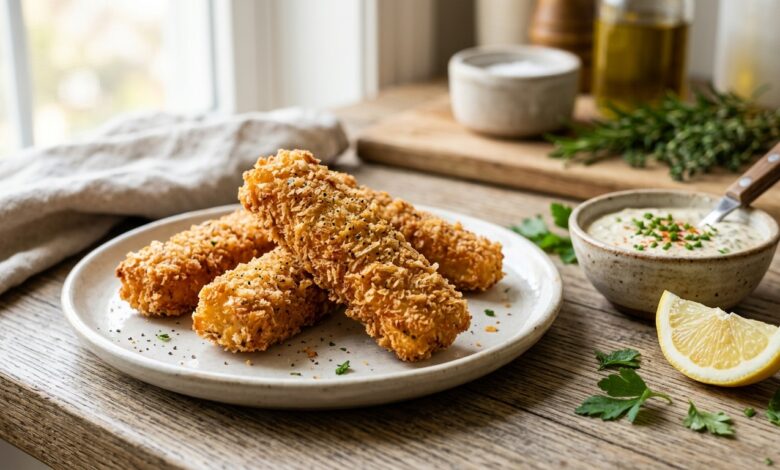
Crab sticks are one of those snacks that people eat without thinking too hard about what is in them — until the moment they start tracking food intake. Then the questions start. How many calories are in 4 fried crab sticks? Is frying adding significantly more than eating them cold? And is this something that fits into a weight-conscious diet or not?
How Many Calories Are in a Single Fried Crab Stick?
Before calculating a 4-piece serving, the per-stick number needs to be accurate. A single raw crab stick (surimi) weighs approximately 28–30 grams and contains:
- Raw crab stick: 25–30 calories
- Lightly pan-fried in minimal oil: 45–55 calories
- Battered and deep-fried: 70–90 calories
The variation comes from two factors: the size of the stick and how much oil is absorbed during cooking. Thin sticks fried quickly in a small amount of oil absorb less fat than thick sticks submerged in a deep fryer.
Calories in 4 Fried Crab Sticks: All Preparation Styles
Preparation Method |
Calories (4 sticks) |
Fat (g) |
Carbs (g) |
Protein (g) |
| Raw / uncooked | 100–120 kcal | 0.5–1 g | 12–16 g | 8–10 g |
| Pan-fried, no batter | 180–220 kcal | 8–12 g | 12–16 g | 8–10 g |
| Air-fried | 140–160 kcal | 4–6 g | 12–16 g | 8–10 g |
| Battered and deep-fried | 280–360 kcal | 14–20 g | 20–28 g | 8–10 g |
| Tempura-battered | 300–380 kcal | 16–22 g | 22–30 g | 8–10 g |
The pattern here is important: the crab stick itself contributes the protein and carbohydrates regardless of cooking method. A 4-stick serving jumps from roughly 110 calories raw to 320+ calories when deep-fried with batter.
Fried Crab Stick Calories Per 100g
Per 100 grams of fried crab sticks (without heavy batter):
- Calories: 160–200 kcal
- Protein: 9–12 g
- Fat: 8–12 g
- Carbohydrates: 14–18 g
- Sodium: 650–800 mg
- Sugar: 3–5 g
Per 100 grams with crispy batter coating:
- Calories: 240–280 kcal
- Protein: 8–10 g
- Fat: 12–16 g
- Carbohydrates: 22–28 g
The batter-coated version is noticeably higher in carbohydrates because the coating is primarily refined flour or cornstarch, which adds both carbs and calories without adding meaningful protein.
What Is a Crab Stick Made From? Understanding the Base Ingredient
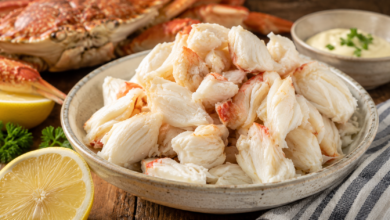
Most people are aware on some level that crab sticks do not contain substantial crab. The reality is more specific than that general awareness suggests.
Crab sticks — sold as surimi in Japan and under various product names globally — are made from:
- Alaska pollock (primary base): A mild, white-fleshed fish that is abundant, inexpensive, and takes on flavoring well. Sometimes Pacific whiting or other white fish is used.
- Modified food starch: Typically from wheat or tapioca. This is the primary source of carbohydrates in crab sticks.
- Egg whites: Used as a binder and to improve the gel-like texture that makes surimi hold together when sliced or shredded.
- Crab flavoring: Usually a combination of natural crab extract (real crab in very small quantities), artificial flavoring, and crab paste.
- Sugar: Added to balance the flavor profile. This is why crab sticks have a slightly sweet taste and why they contain 3–5 grams of sugar per 100g.
- Sodium: Crab sticks are notably high in sodium — a consequence of both the preservation process and flavor enhancement.
Is Crab Stick Low in Calories? Raw vs. Fried Compared
In their raw, uncooked form — the kind sold in plastic packaging in the refrigerated section — crab sticks are genuinely low in calories. At 25–30 calories per stick and roughly 85–90 calories per 100g, they compare favorably to many snack foods.
The problem is almost no one eats them raw as a primary dish. They tend to appear fried as an appetizer, in sushi rolls with additional ingredients, or as part of a larger meal with dipping sauces that add their own calorie load.
Frying changes the calorie equation significantly. The oil absorbed during pan-frying adds roughly 7–10 calories per gram of fat absorbed. A single crab stick absorbing 2–3 grams of oil from pan-frying adds 18–27 calories per stick beyond the raw baseline. Across 4 sticks, that is 72–108 additional calories from oil alone — before any batter is considered.
So: raw crab sticks are low in calories. Fried crab sticks are a moderate-calorie food that can become high-calorie depending on how they are prepared.
Is Crab Stick Healthy to Eat for Weight Loss?
This requires separating what crab sticks do well from where they fall short, rather than a flat yes or no.
Where crab sticks support weight management:
- Low in fat when uncooked
- Moderate protein content (8–12g per 100g) supports satiety
- Low in calories relative to many processed snack foods
- Zero dietary fiber (which does not help fullness, but also means no hidden calorie sources)
- Convenient portion-controlled format reduces the likelihood of unconscious overeating
Where crab sticks work against weight management:
- High sodium (650–800mg per 100g raw) can cause water retention, masking fat loss on the scale
- Added sugar contributes unnecessary calories for a “savory” food
- Frying — which is how most people enjoy them — significantly increases caloric density
- Modified food starch means a moderate glycemic response, which is less ideal for blood sugar management
- Low fiber means hunger returns faster than it would with whole-food protein sources
The practical verdict: Raw or lightly steamed crab sticks fit into a weight loss diet reasonably well as an occasional protein-adjacent snack. Fried versions — especially battered — should be treated as an indulgence rather than a diet food. At 280–360 calories for 4 pieces, they cost more than their protein return justifies for someone on a calorie deficit.
Crispy Fried Crab Stick Recipe: Step-by-Step Method
This is a pan-fry method — less oil than deep frying, more control over texture, and a meaningfully lower calorie result than battered versions.
Ingredients (serves 2, approximately 8 sticks)
- 8 crab sticks (surimi), each approximately 28g
- 3 tbsp neutral oil (canola, vegetable, or light olive oil)
- 2 tbsp cornstarch
- ½ tsp garlic powder
- ½ tsp smoked paprika
- ¼ tsp white pepper
- Pinch of salt
- Optional: 1 tsp sesame oil for finishing
For dipping:
- Sweet chili sauce (30–40 calories per tablespoon — account for this)
- Japanese mayo mixed with sriracha
- Low-sodium soy sauce with grated ginger
Method
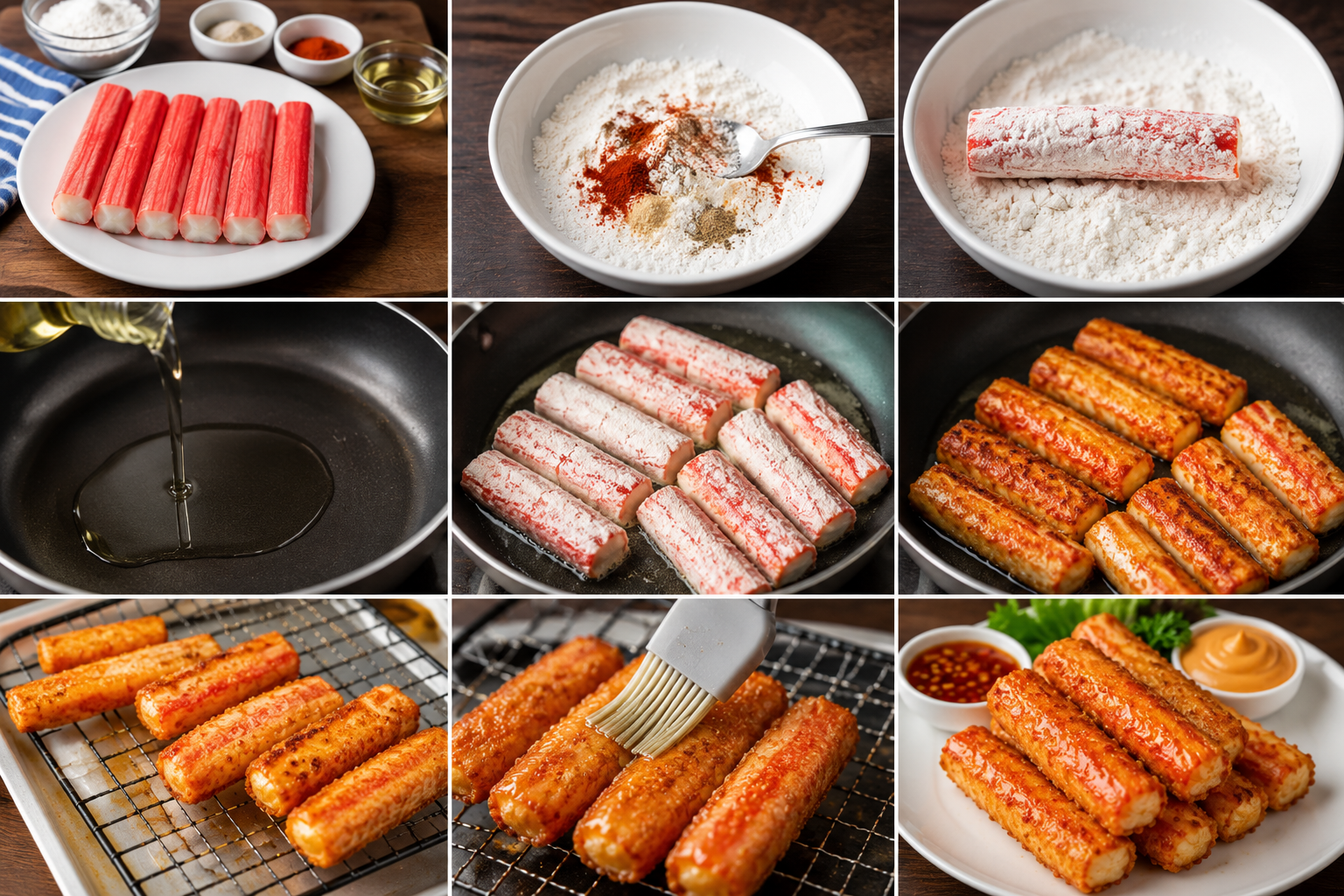
- Prepare the crab sticks. Remove from packaging and pat dry with a paper towel. Moisture on the surface prevents crisping — this step is non-negotiable. If the sticks are in a tight roll, you can unroll them slightly or leave them whole depending on texture preference.
- Season the cornstarch. In a shallow bowl or plate, mix cornstarch, garlic powder, smoked paprika, white pepper, and salt. Cornstarch rather than flour is the key choice here — it produces a lighter, crispier exterior with less oil absorption than flour-based coatings.
- Coat the crab sticks. Roll each stick in the seasoned cornstarch, pressing gently to adhere. Shake off excess. A thin, even coating crisps better than a thick, uneven one.
- Heat the oil. In a non-stick or cast iron pan, heat oil over medium-high until it shimmers. Test readiness by dropping a small pinch of cornstarch into the oil — it should sizzle immediately.
- Fry in a single layer. Add crab sticks without crowding. Leave space between each one. Crowding causes steaming rather than frying — the sticks become soggy rather than crisp.
- Cook 2–3 minutes per side. Turn once using tongs when the bottom is golden. The sticks cook quickly because they are already processed; you are building crust, not cooking through raw fish.
- Drain immediately. Transfer to a wire rack rather than paper towels — racks allow airflow on all sides and keep the crust crisp longer. Paper towels trap steam under the food.
- Finish with sesame oil (optional). A very light brush or drizzle of sesame oil over hot crab sticks just before serving adds a nutty aroma that pairs well with the sweet-savory flavor of surimi.
Serve within 5 minutes. Fried crab sticks lose their crunch quickly, especially in humid environments.
Calories per serving (4 sticks, pan-fried, cornstarch only): approximately 190–210 kcal
Healthy Version: Air-Fried Crab Sticks with Reduced Calories
Air frying cuts the calorie count of fried crab sticks by 35–45% compared to pan-frying, while producing a genuinely crispy result that most people find comparable to oil-fried versions.
Ingredients (serves 2)
- 8 crab sticks
- 1 tbsp cornstarch
- ½ tsp garlic powder
- ½ tsp paprika
- Light cooking spray (about a 1-second spray per batch)
- Optional: 1 tsp Everything Bagel seasoning in the cornstarch mix
Method
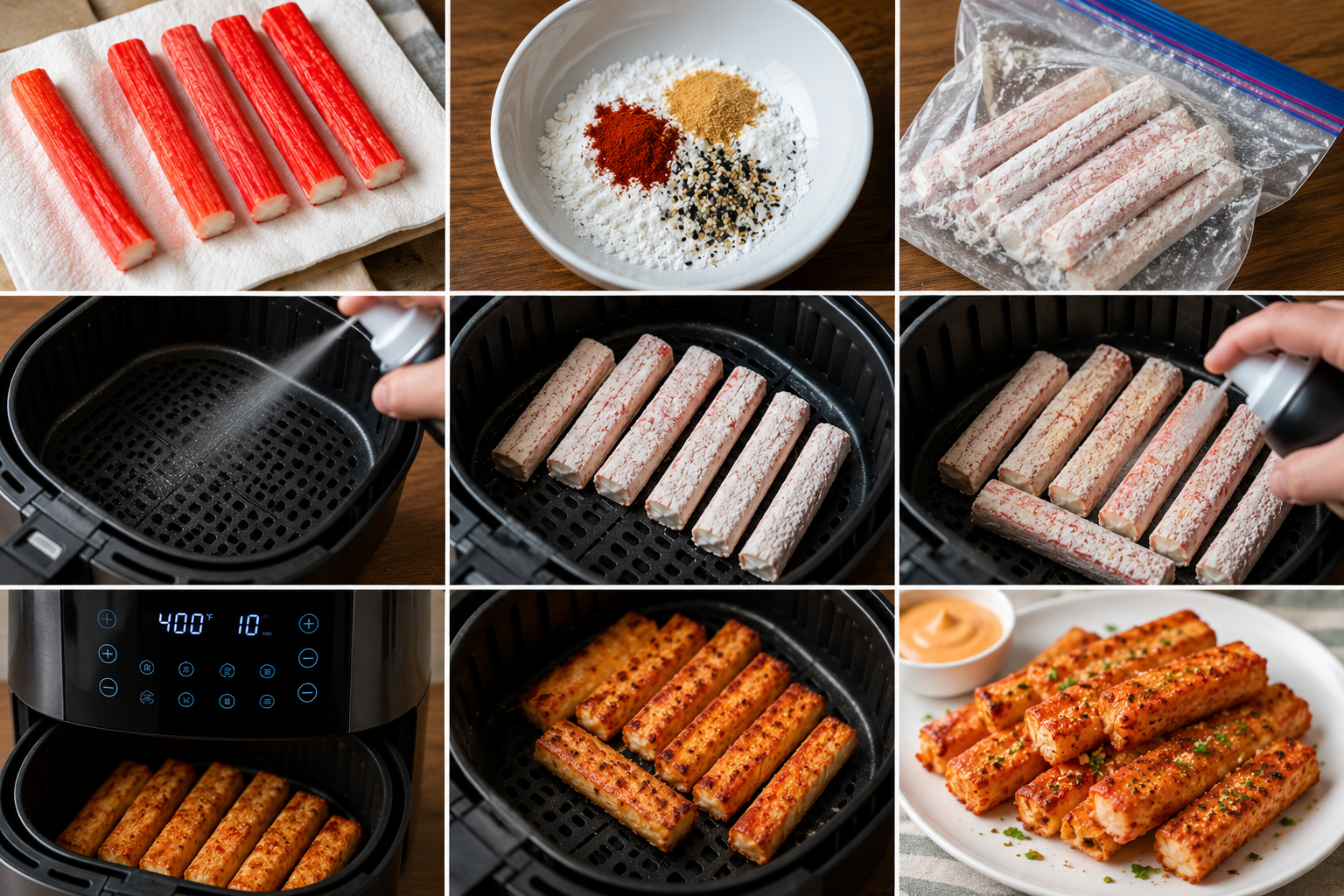
- Pat crab sticks completely dry.
- Toss in seasoned cornstarch — use a zip-lock bag for even coating with minimal waste.
- Lightly spray the air fryer basket. Arrange sticks in a single layer.
- Lightly spray the coated sticks.
- Air fry at 400°F (200°C) for 8–10 minutes, turning once at the 5-minute mark.
- Serve immediately.
Nutrition comparison (4 sticks):
Method |
Calories |
Fat |
Carbs |
| Pan-fried (cornstarch) | 190–210 kcal | 9–12 g | 14–16 g |
| Air-fried (cornstarch) | 130–150 kcal | 3–5 g | 14–16 g |
| Deep-fried (battered) | 300–360 kcal | 16–20 g | 24–30 g |
| Raw / uncooked | 100–120 kcal | 0.5–1 g | 12–14 g |
The carbohydrate content stays largely similar across methods because it is coming from the crab stick itself and the cornstarch coating. Fat is the variable that frying method controls most directly.
Sodium in Crab Sticks: The Nutritional Detail Most Articles Skip
The calorie count in fried crab sticks gets most of the attention. Sodium gets far less, and that is a meaningful oversight.
A single raw crab stick contains approximately 170–200mg of sodium. Four sticks represent 680–800mg of sodium before any cooking oil, seasoning, or dipping sauce is added. That is roughly 30–35% of the daily sodium limit recommended by most health authorities (2,300mg per day), and significantly more than the American Heart Association’s preferred ceiling of 1,500mg daily for people managing blood pressure.
Adding soy sauce (900mg per tablespoon) or even sweet chili sauce (200–300mg per tablespoon) to a 4-stick serving can push the total sodium from one appetizer well above 1,000mg.
Practical mitigation: Look for reduced-sodium surimi brands — they exist at major grocery chains and typically carry 30–40% less sodium per stick. The flavor difference is minimal because the crab flavoring is not sodium-dependent. Also, choosing fresh lemon juice or a ginger-sesame sauce made with low-sodium soy sauce as a dipping option keeps the sodium from compounding.
Fried Crab Sticks vs. Other Popular Fried Snacks: Calorie Perspective
Putting fried crab sticks in context against other commonly fried snacks helps calibrate whether the calorie trade-off is worth it:
Snack (per 4-piece serving) |
Calories |
Protein |
Sodium |
| Fried crab sticks (pan-fried) | 190–210 kcal | 8–10 g | 700–850 mg |
| Crab rangoon (4 pieces) | 260–320 kcal | 8–12 g | 340–440 mg |
| Chicken nuggets (4 pieces) | 190–240 kcal | 12–16 g | 350–450 mg |
| Mozzarella sticks (4 pieces) | 280–380 kcal | 12–16 g | 500–700 mg |
| Fried shrimp (4 large) | 180–220 kcal | 14–18 g | 300–450 mg |
Fried crab sticks land in the middle of the pack for calories but at the lower end for protein. Fried shrimp delivers more protein at a similar calorie count, which makes it a better choice for anyone eating fried seafood with protein as a consideration. Crab rangoon costs more calories with comparable protein. Mozzarella sticks are higher in both calories and protein due to the cheese filling.
Tips for Getting the Most Out of Crab Sticks Nutritionally
- Eat them cold in salads. Unrolled raw crab sticks shredded into a salad or mixed into a seafood slaw deliver the flavor of crab at 25–30 calories per stick with no added fat. This is genuinely underused as a salad protein option.
- Use them in sushi rice bowls. A deconstructed California roll bowl — short-grain rice, cucumber, avocado, and 3–4 raw crab sticks — gives you the full sushi experience at a controlled calorie count without the effort of rolling.
- Combine with higher-protein foods. Crab sticks are moderate in protein but not exceptional per calorie. Pairing them with eggs, edamame, or tofu in the same meal boosts the overall protein content of a snack or light meal.
- Choose brands without added MSG. Some surimi brands use MSG as an additional flavor enhancer on top of already high sodium content. Checking the ingredient list for monosodium glutamate and choosing alternatives reduces the overall sodium load.
- Do not reuse frying oil more than twice. Oil that has been used for frying develops oxidative compounds with repeated high-heat cycles. For crab sticks specifically — which absorb oil readily — using fresh or recently used oil produces a cleaner flavor and reduces the intake of degraded fatty acids.
Frequently Asked Questions
How many calories are in 4 fried crab sticks? Approximately 180–220 calories for pan-fried without batter, and 280–360 calories for battered and deep-fried. The exact number depends on stick size, oil amount, and whether a coating is used.
How many calories are in a single fried crab stick? A single pan-fried crab stick contains approximately 45–55 calories. A single battered, deep-fried crab stick contains 70–90 calories.
What are fried crab stick calories per 100g? Approximately 160–200 calories per 100g for pan-fried without batter. Battered and deep-fried versions run 240–280 calories per 100g.
Is crab stick low in calories? Raw crab sticks are genuinely low in calories at 85–90 kcal per 100g. Frying increases this significantly — up to 200–280 kcal per 100g depending on method and coating.
Are fried crab sticks healthy? They are not unhealthy in small portions, but they are not a health food either. The base ingredient (surimi) provides moderate protein but is heavily processed, high in sodium, and contains added sugar and starch. Frying adds fat and calories. Occasional consumption is fine; regular large portions are not ideal for most health goals.
Is crab stick healthy to eat for weight loss? Raw or air-fried crab sticks in moderate portions can fit into a calorie-controlled diet. The high sodium content can cause temporary water retention. Battered and deep-fried versions are calorie-dense relative to their protein content and are not optimal for weight loss goals.
How many calories are in fried crabs (real crab)? Real crab cooked in oil or butter is nutritionally different from surimi. Real crab meat contains approximately 82–90 calories per 3 oz (85g) before any added fat. Pan-fried in butter, a 3 oz portion reaches approximately 130–160 calories. Real crab also carries far higher protein (17–19g) and zero added starch or sugar compared to crab sticks.
Do crab sticks contain real crab? Most commercially sold crab sticks (surimi) contain little to no actual crab. The base is processed white fish — usually Alaska pollock — with crab flavoring, starch, and egg white added. Some premium versions include a small percentage of real crab extract.
Can I eat fried crab sticks on a diet? Yes, in controlled portions and with an awareness of sodium intake. Air-frying reduces the calorie cost significantly. Two air-fried crab sticks as part of a mixed meal is a very different nutritional situation than eight deep-fried battered sticks as a standalone snack.
What dipping sauce is lowest in calories for fried crab sticks? Ginger-infused low-sodium soy sauce (approximately 10–15 calories per tablespoon) is the lowest-calorie option that still complements the flavor. Lemon juice alone is near zero. Sweet chili sauce (30–40 calories/tbsp) and Japanese mayo (90–100 calories/tbsp) are the highest-calorie common choices.
Conclusion
The calorie count in 4 fried crab sticks ranges from about 140 calories (air-fried, no batter) to over 360 calories (battered, deep-fried) — a range wide enough that preparation method matters more than the food itself when making dietary decisions. The base ingredient, surimi, is a processed white fish product that delivers moderate protein and notable sodium in a convenient form. Frying layers additional fat and, with batter, additional carbohydrates on top of that base.
For people tracking calories, air frying with a light cornstarch coating is the preparation that preserves the texture most people want while keeping the calorie cost close to 35 calories per stick — making a 4-stick serving entirely manageable within most daily budgets. Battered deep-frying, by contrast, roughly triples the calorie density per stick compared to raw, which changes the calculation significantly for anyone eating them regularly.
The sodium content deserves as much attention as the calorie count. At 170–200mg per raw stick, four pieces before any seasoning or sauce approach a third of the recommended daily sodium limit. Choosing reduced-sodium brands and low-sodium dipping options keeps the overall sodium load from compounding into a problem over regular consumption.