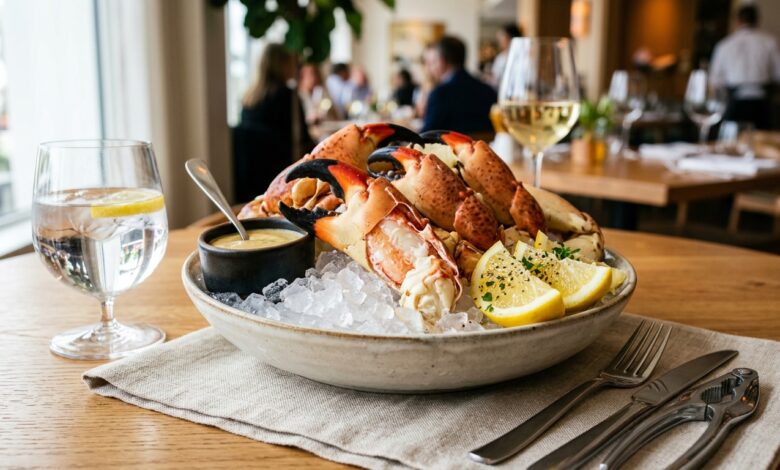
Stone crab preparation trips people up for one specific reason: it operates almost entirely in reverse from every other crab species. Where most crab cooking starts with raw product and ends with heat, stone crab typically starts already cooked and ends with cold serving.
Is Stone Crab Raw Or Cooked When You Buy It?
Almost every stone crab claw sold commercially has already been cooked. This is not a sometimes situation — it is the overwhelming norm.
Florida stone crab (Menippe mercenaria) is the dominant commercial species, and Florida regulations require that harvested claws be cooked before sale to prevent spoilage and bacterial growth. Because stone crab claws have an unusually thick shell that retains heat poorly, they are boiled immediately after harvest — typically within hours — before being sold fresh or flash-frozen.
Stone Crab Season, Harvesting Ethics, And Why Only Claws Are Sold
Stone crab is one of the few commercially harvested shellfish with a fully regenerative harvesting model. Fishermen remove one or both claws from a live crab, then return the crab to the ocean. The crab regenerates its claws over 12–18 months. A single crab can be harvested multiple times over its lifespan.
The Florida stone crab season runs October 15 through May 1 annually. Outside this window, stone crab claws are unavailable fresh — only frozen product carries over. This seasonality affects flavor and price significantly. Peak season claws (November through February) are superior to late-season product.
Claw size grades you’ll encounter at markets:
Grade |
Weight Per Claw |
| Medium | 3–5 oz |
| Large | 5–7 oz |
| Jumbo | 7–9 oz |
| Colossal | 9+ oz |
Larger claws have proportionally more meat but also a harder shell. Medium and large claws offer the best meat-to-effort ratio for most people.
How Many Stone Crab Claws Per Person
As a main course: 4–6 medium/large claws per person, or 3–4 jumbo/colossal claws. Stone crab yields approximately 50–55% meat by claw weight once cracked, which is high for shellfish.
As a starter or part of a seafood platter: 2–3 medium claws per person is standard.
When ordering stone crab claws near a coastal market or online seafood retailer, a 1.5–2 lb order of claws covers one person as a main.
What Is The Best Way To Prepare Stone Crab?
The answer depends entirely on whether you want cold or hot preparation.
Cold preparation (traditional Florida method): Purchased pre-cooked claws go directly from refrigerator to plate. Crack the shell, serve with classic mustard sauce. No heat involved. This is how stone crab is served at the landmark Joe’s Stone Crab in Miami Beach — the reference-point restaurant for the species — and it preserves the naturally sweet, delicate flavor of the meat without any risk of overcooking.
Hot preparation: Reheat pre-cooked claws via steaming, brief boiling, or oven warming. Add garlic butter or seasoned broth for flavor. Works well in cold weather when a hot seafood dish is preferred.
Raw claw preparation (if applicable): Boil in seasoned water 8–10 minutes depending on size. This is only relevant when working with product from a licensed direct harvester.
Reheating pre-cooked claw meat shortens the window before it becomes rubbery and can mask the subtle sweetness that makes stone crab premium.
How To Cook Stone Crab Whole
Whole stone crab is less common than claw-only but is available from some harvesters and live seafood markets. The whole crab contains claw meat plus body meat, though the body meat is less substantial than in blue crab or Dungeness.
Boiling whole stone crab:
Ingredients:
- 2 whole stone crabs (about 1–1.5 lbs each)
- Water to fill large pot ¾ full
- 2 tbsp sea salt
- 1 lemon, halved
- 2 bay leaves
- 1 tsp black peppercorns
- 1 tsp Old Bay or seafood seasoning
Method:
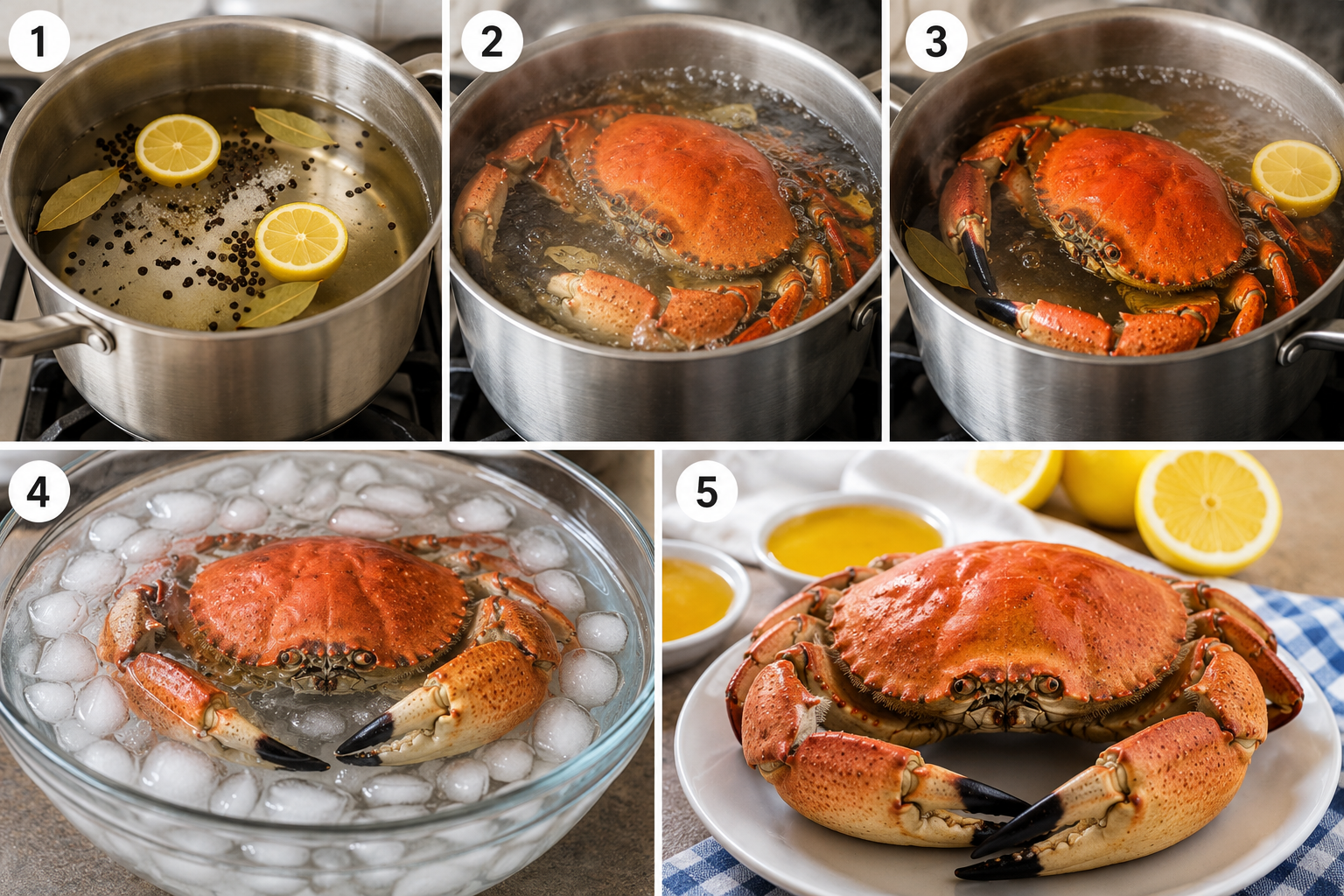
Step 1: Fill a large stockpot. Add salt, lemon, bay leaves, and peppercorns. Bring to a rolling boil.
Step 2: Submerge whole crabs. Return to full boil.
Step 3: Cook 10–12 minutes for a 1 lb crab, 14–16 minutes for a 1.5 lb crab.
Step 4: Transfer immediately to an ice bath — a large bowl of ice water — for 5 minutes. This stops the cooking process and makes the shell easier to crack without overcooking the interior meat.
Step 5: Drain and serve with mustard dipping sauce or garlic butter.
How long to boil stone crab whole: 10–16 minutes depending on size. A reliable test: pull a leg and bend it at the joint. If it pulls cleanly away with no resistance, the crab is done.
How To Cook Stone Crab Claws From Frozen
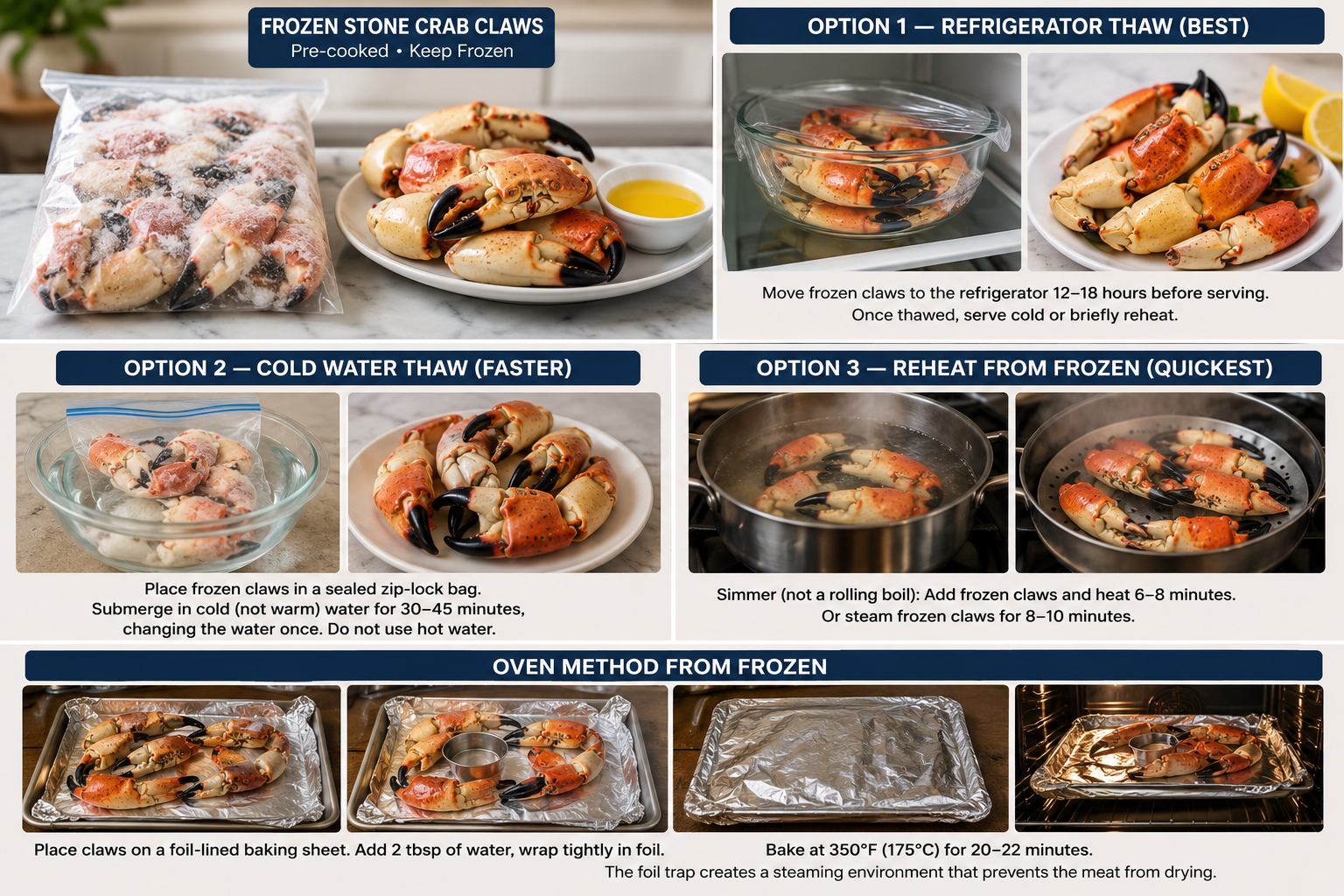
Frozen stone crab claws are pre-cooked before freezing. You are thawing and warming them, not cooking them.
Option 1 — Refrigerator thaw (best): Move frozen claws to the refrigerator 12–18 hours before serving. Once thawed, serve cold or briefly reheat. This produces the cleanest texture and most consistent result.
Option 2 — Cold water thaw (faster): Place frozen claws in a sealed zip-lock bag. Submerge in cold (not warm) water for 30–45 minutes, changing the water once. Do not use hot water — it begins partial cooking on the outer meat and creates uneven texture.
Option 3 — Reheat from frozen (quickest, some quality trade-off): Bring a pot of water to a simmer (not a rolling boil). Add frozen claws and heat 6–8 minutes. The goal is reaching serving temperature only — not extended cooking. Alternatively, steam frozen claws for 8–10 minutes.
Oven method from frozen: Place claws on a foil-lined baking sheet. Add 2 tbsp of water, wrap tightly in foil. Bake at 350°F (175°C) for 20–22 minutes. The foil trap creates a steaming environment that prevents the meat from drying.
How To Tell If Stone Crab Claws Are Cooked
For pre-purchased claws, identifying whether they’ve been cooked is straightforward:
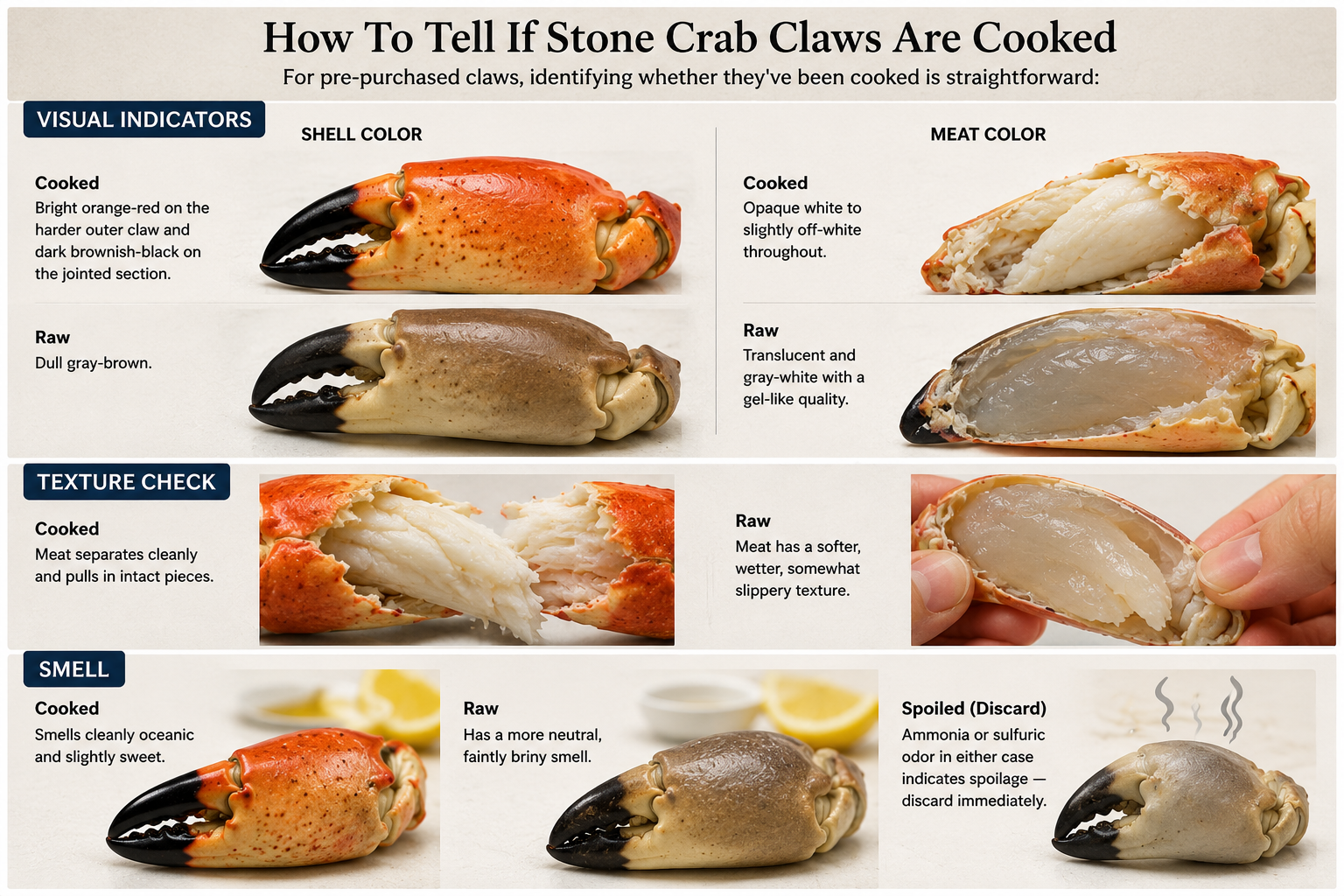
Visual indicators:
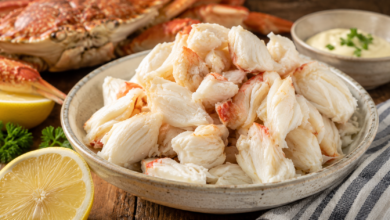
- Shell color: Cooked stone crab claws are bright orange-red on the harder outer claw and dark brownish-black on the jointed section. Raw claws are a dull gray-brown.
- Meat color: Cooked meat is opaque white to slightly off-white throughout. Raw meat is translucent and gray-white with a gel-like quality.
Texture check: Crack a small section near the tip. Cooked meat separates cleanly and pulls in intact pieces. Raw meat has a softer, wetter, somewhat slippery texture.
Smell: Cooked stone crab smells cleanly oceanic and slightly sweet. Raw stone crab has a more neutral, faintly briny smell. Ammonia or sulfuric odor in either case indicates spoilage — discard immediately.
Is It Better To Boil Or Steam Stone Crab Claws?
For reheating pre-cooked claws, steaming is superior. Boiling submerges the claw in water, and while the thick shell limits direct absorption, extended boiling time draws some moisture out of the meat and slightly dilutes the natural flavor.
Steaming keeps the claws above water contact. Heat transfers through vapor, and the meat retains its natural juices inside the shell. The result is firmer, sweeter, and more flavorful than an equivalent boil time.
Steam method for pre-cooked claws:
- Add 1–2 inches of water to a pot with a steamer rack. Bring to a boil.
- Place claws on rack, cover with a tight lid.
- Steam 4–5 minutes for thawed claws, 8–10 minutes from frozen.
- Serve immediately or transfer to an ice bath for cold serving.
For raw whole stone crabs, boiling is more practical because the size makes even steaming difficult. The water also helps regulate temperature more consistently during a longer cook.
How To Serve Stone Crab Claws
Stone crab claws are traditionally served chilled on crushed ice — the way oysters and shrimp cocktail are presented at raw bars. This isn’t just presentation; chilling firms the meat slightly, making it easier to extract cleanly after cracking.
Classic mustard dipping sauce (Joe’s Stone Crab original style):
- 4 tbsp dry mustard powder (not prepared mustard)
- 1 tbsp Worcestershire sauce
- 1 tsp A1 steak sauce
- ½ cup mayonnaise
- 2 tbsp heavy cream or half-and-half
- Salt to taste
Whisk the dry mustard with mayonnaise first until smooth — lumps in mustard powder don’t dissolve once liquids are added. Then incorporate remaining ingredients. Refrigerate at least 30 minutes before serving. The sauce should be pale yellow, creamy, and with a pronounced mustard sharpness.
Alternative serving sauces:
- Lemon aioli (garlic, lemon, mayonnaise)
- Melted garlic butter with fresh herbs for hot preparation
- Remoulade for a Louisiana-inspired serving
Cracking technique for serving: Use the flat side of a meat mallet or the back of a heavy spoon. Crack the claw at the broadest section with a single firm tap — enough to fracture the shell without crushing the meat inside. Peel back the cracked shell. The knuckle section cracks similarly; the thinner pincer end can be cut with kitchen shears.
Healthy Stone Crab Preparation
Stone crab is naturally lean and clean nutritionally. The health consideration is almost entirely in the accompaniments.
Standard vs. healthy preparation:
Element |
Standard |
Healthy Swap |
| Dipping sauce | Mayo-based mustard sauce | Greek yogurt mustard sauce |
| Cooking fat | Butter baste | Olive oil + lemon |
| Side dish | Drawn butter | Steamed vegetables |
| Sodium addition | Heavy seasoned boil | Light seasoning, herbs only |
Greek yogurt mustard dipping sauce:
- 4 tbsp plain Greek yogurt
- 1.5 tsp dry mustard powder
- 1 tsp lemon juice
- 1 tsp Worcestershire sauce
- Pinch of turmeric for color
- Salt and white pepper
This version delivers the same mustard-forward profile as the classic with significantly less fat and calories. The yogurt provides probiotics as a bonus.
Healthy full meal setup: Chilled stone crab claws served with steamed asparagus, a small green salad with olive oil and lemon dressing, and the Greek yogurt dipping sauce. Around 280–340 kcal per person for a starter-sized portion.
Stone Crab Nutrition And Calories
Per 3 oz (85g) of cooked stone crab claw meat:
Nutrient |
Amount |
| Calories | 78 kcal |
| Protein | 15.8g |
| Total Fat | 1.2g |
| Saturated Fat | 0.15g |
| Carbohydrates | 0.5g |
| Sodium | 474mg |
| Cholesterol | 55mg |
| Zinc | 3.5mg (32% DV) |
| Selenium | 34mcg (62% DV) |
| Vitamin B12 | 8.6mcg (358% DV) |
| Omega-3 (EPA + DHA) | ~350mg |
| Potassium | 223mg |
Stone crab is one of the lower-calorie high-protein shellfish options available. The fat content is negligible. The vitamin B12 level is exceptional — a modest serving covers more than three times the daily requirement, supporting nerve health and red blood cell production.
Are king crab legs healthy to eat compared to stone crab? Both are nutritionally comparable in the macro profile — lean protein, low fat, trace carbohydrates. Stone crab has slightly lower sodium per serving than king crab, making it marginally better for those monitoring sodium intake.
Is crab good for hypertension? Stone crab contains potassium, which actively assists blood pressure regulation by counteracting sodium’s vasoconstrictive effects. The omega-3 fatty acids contribute to arterial flexibility and cardiovascular health. However, crab’s inherent sodium content (474mg per 3 oz before any seasoning is added) means hypertensive individuals need to be deliberate — keep seasoning minimal, skip salted butter entirely, and pair with potassium-rich sides like asparagus or spinach that reinforce the regulatory effect.
Why Are Crabs Not Killed Before Boiling?
The honest answer is about both animal biology and food safety.
Crabs are not usually killed before boiling because they spoil very fast after death. When a crab dies, bacteria can spread quickly from its gut into the meat. That is why many cooks keep crabs alive until cooking time.
But this does not mean boiling them alive is the best or kindest method. Scientists believe crabs can feel harmful signals and may feel pain in some way, although their nervous system is different from humans and the exact level of suffering is still debated.
A better method is to keep the crab alive until cooking, then stun or kill it quickly before boiling. In some places, like Switzerland, boiling live crustaceans without stunning first is not allowed.
So the simple answer is: crabs are boiled alive mainly for freshness and food safety, but many people now believe they should be stunned or killed humanely just before cooking.
Tips For Better Stone Crab Results
Buy from a reputable source. Stone crab quality is almost entirely determined by how recently it was cooked and how it was stored. “Stone crab claws near me” searches will typically return seafood markets, fish counters, and online harvesters. Freshness indicators: bright shell color, clean oceanic smell, firm texture when squeezed gently through the shell.
Don’t cook pre-cooked claws twice as hard. The goal when reheating is 140°F (60°C) internal temperature — warm enough to serve hot, not high enough to tighten the proteins further. A thermometer makes this trivial. Without one, 4–5 minutes of steam is sufficient for thawed claws.
Crack at the last moment. Once cracked, the exposed meat oxidizes faster and the shell no longer protects the meat from drying out. For a serving platter, crack just before serving rather than in advance.
Use dry mustard powder for the sauce, not prepared mustard. Prepared yellow mustard changes both the texture and the flavor profile significantly. Dry powder mixed into mayo creates the proper thick, sharp dipping consistency.
Serve on crushed ice even for hot-adjacent preparations. For a cocktail party or appetizer spread, returning briefly reheated claws to a bed of crushed ice after a 2-minute rest keeps them at an ideal serving temperature — warm enough to be served “warm,” cold enough to keep the meat firm for 30 minutes without deterioration.
Stone crab claw shells are reusable as stock bases. After cracking and eating, the shells make an excellent crustacean stock — simmer with onion, celery, carrot, peppercorns, and water for 45 minutes. Strain and use as a base for bisque, risotto broth, or seafood pasta sauce.
Frequently Asked Questions
What is the best way to prepare stone crab? Chilled, cracked, and served with classic dry mustard sauce on crushed ice. This is the traditional Florida method and genuinely the best expression of stone crab’s natural sweetness. For hot preparation, steaming pre-cooked claws 4–5 minutes with garlic butter is the preferred method.
Is stone crab raw or cooked when purchased? Cooked in almost all cases. Florida regulations require cooking before commercial sale. If you see gray-white, translucent meat in a cracked claw, that’s raw stone crab — rare to encounter outside of direct-harvest purchasing.
How long to boil stone crab whole? 10–12 minutes for a 1 lb whole stone crab, 14–16 minutes for 1.5 lbs. Transfer immediately to an ice bath after boiling to halt cooking and firm the meat.
How to cook stone crab claws from frozen? Thaw in refrigerator overnight (best method). For quick preparation: simmer in water (not boiling) 6–8 minutes, or steam 8–10 minutes. Oven method: foil-wrapped with a splash of water at 350°F for 20–22 minutes.
How many stone crab claws per person? 4–6 medium or large claws as a main course. 3–4 jumbo or colossal claws. 2–3 claws as an appetizer portion.
Is it better to boil or steam stone crab claws? Steam for pre-cooked claws — it preserves natural flavor and prevents water absorption. Boil for raw whole crabs where consistent heat penetration through the body is needed.
How do you tell if stone crab claws are cooked? Bright orange-red shell, opaque white meat, clean sweet smell. Gray shell, translucent meat, or gel-like texture indicates raw product.
What is the best way to eat stone crab claws? Crack at the broadest section with a mallet or heavy spoon back. Peel away the cracked shell. Dip in cold mustard sauce. The knuckle section contains highly flavorful meat often left behind — use shears to cut it open.
Is crab good for hypertension? In moderation and simply prepared, yes. The potassium and omega-3 content support cardiovascular function. Keep accompaniments low-sodium: skip drawn butter and salted boil water, and pair with potassium-rich vegetables.
Why are crabs not killed before boiling? Primarily for food safety — live crabs decompose rapidly once dead, and bacteria spread into the meat quickly. Cold stunning (ice slurry for 30–60 minutes) is an increasingly used humane alternative that renders crabs unconscious before cooking.
Conclusion
Preparing stone crab well requires understanding one fundamental fact: you’re almost never cooking it from raw. The claws arrive pre-cooked, and the ideal preparation is often no heat at all — chilled, cracked, served with mustard sauce.
When reheating is preferred, steam beats boiling at every level — texture, flavor retention, and consistency. Keep seasoning restrained — stone crab’s natural sweetness is its strongest feature and it doesn’t need much help.
Nutritionally, stone crab is a lean, high-protein shellfish with notable B12, selenium, and omega-3 content. The sodium requires awareness for people managing blood pressure, but simply prepared stone crab fits comfortably into a balanced diet.
The claw shell is thick and requires a deliberate cracking technique, but once you’ve done it twice, it becomes second nature. The dry mustard sauce is worth making from scratch — it’s the right counterpoint to the delicate, sweet meat and no store-bought version comes close.