How To Make Crab Cake Recipe — Classic, Cajun, Baked & Healthy Versions
How To Make Crab Cake Recipe

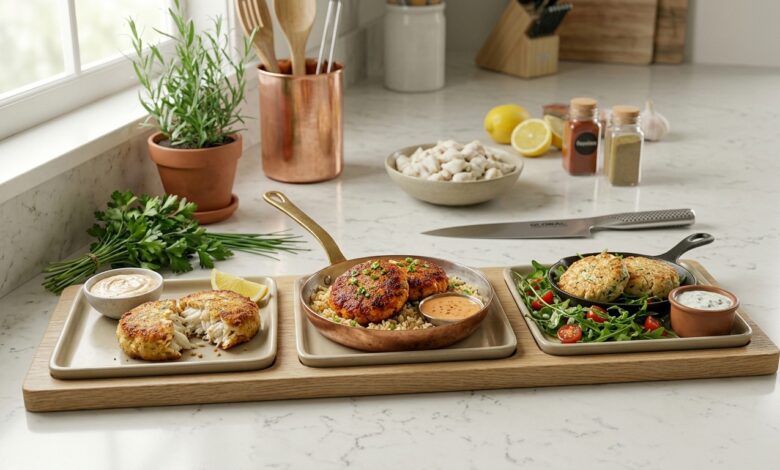
Most crab cakes fail before they hit the pan. Not because of a bad recipe — because of bad crab-to-filler ratio. The industry standard in every serious seafood kitchen is 70/30: 70% crab, 30% everything else. The moment that ratio flips, you’re eating a breadcrumb patty with crab flavoring. That distinction separates a forgettable crab cake from one that’s genuinely worth making.
What Type Of Crab Meat Actually Matters
Before the recipe, the ingredient decision that determines everything: crab meat quality. You have four grades typically available:
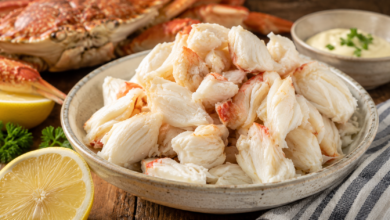
Jumbo lump — large intact pieces from the swimming fin muscles. Best for premium crab cakes where visual texture matters. Expensive, worth it for a dinner-party situation.
Lump crab meat — a mix of jumbo lump and body meat. The sweet spot for home cooking — good texture, visible crab, more affordable.
Backfin — smaller pieces, still 100% crab, works perfectly in cakes where you’re mixing in other flavors (Cajun, herb-heavy).
Claw meat — darker, stronger-flavored. Better suited for crab soups or dips than cakes, but usable in a pinch.
Canned crab meat works. Fresh pasteurized refrigerated crab is the best middle ground for most home cooks. Imitation crab is not a substitute — different texture, different flavor profile, different food entirely.
Classic Crab Cake Ingredients
This is the base recipe — from which every variation below is built.
For 8 crab cakes (serves 4):
Ingredient |
Amount |
| Lump crab meat | 500g (1 lb) |
| Mayonnaise | 3 tbsp |
| Dijon mustard | 1 tsp |
| Worcestershire sauce | 1 tsp |
| Old Bay seasoning | 1½ tsp |
| Egg | 1 large |
| Fresh parsley, chopped | 2 tbsp |
| Breadcrumbs (panko or fine) | 4 tbsp |
| Lemon juice | 1 tbsp |
| Salt and black pepper | To taste |
| Butter and oil (for pan-frying) | 1 tbsp each |
The mayo does two jobs: moisture and binding. Some recipes use plain yogurt or sour cream as a substitute — both work, with slight flavor differences. Panko breadcrumbs create a lighter internal texture than regular breadcrumbs and are worth using if available.
Step-By-Step Crab Cake Method
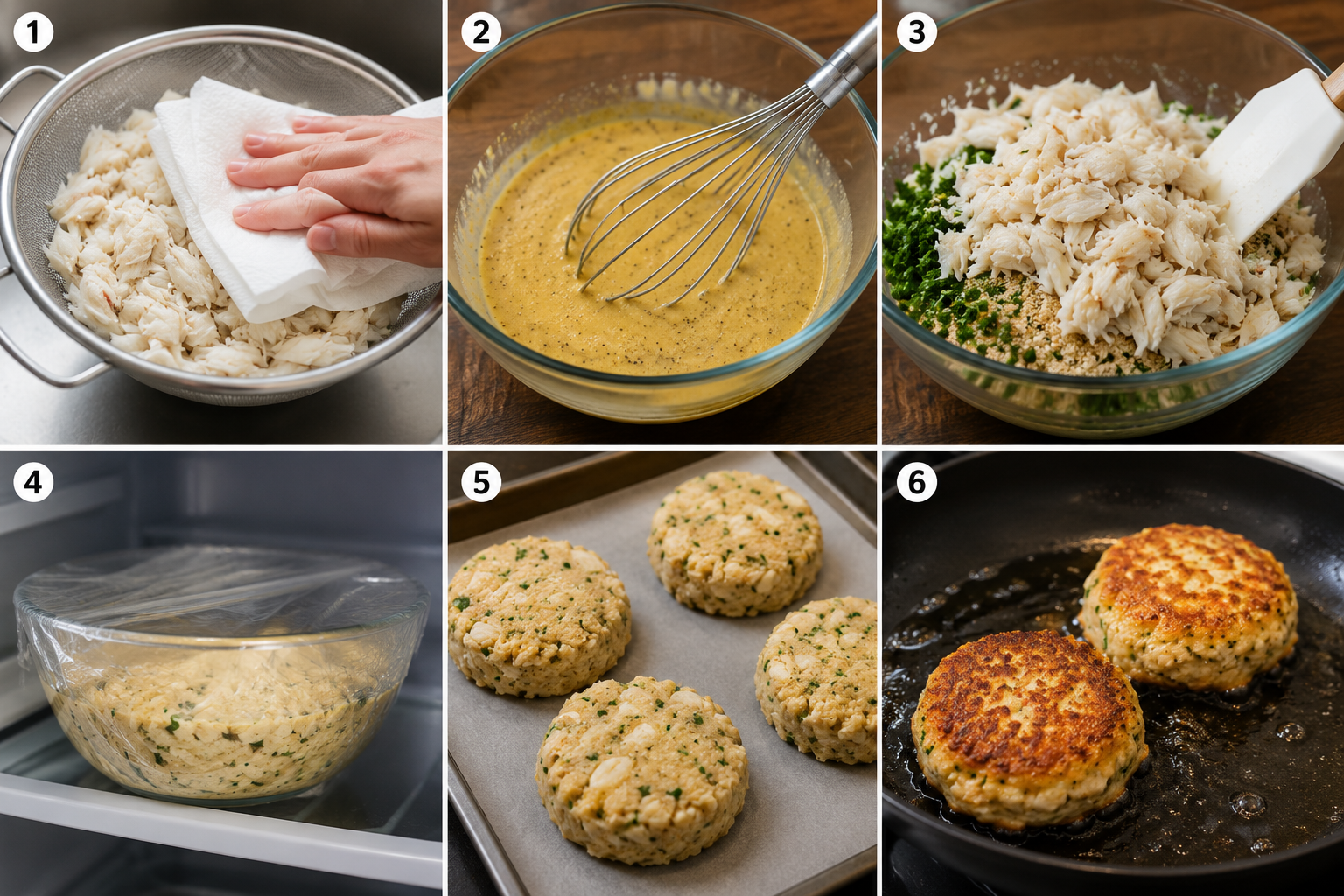
Step 1 — Drain the crab well. Place lump crab meat in a colander and press gently with paper towels. Excess moisture is the leading cause of crab cakes that fall apart in the pan.
Step 2 — Mix the wet binding ingredients first. In a large bowl, whisk together mayonnaise, egg, Dijon, Worcestershire, lemon juice, and Old Bay. Taste this mixture before adding crab — it should already be well-seasoned.
Step 3 — Fold in crab gently. Add parsley and breadcrumbs to the wet mixture, then add crab last. Use a rubber spatula and fold — never stir. The goal is to keep large crab pieces intact. Overmixing produces a paste, not a cake.
Step 4 — Refrigerate the mixture. Cover and chill for at least 30 minutes, ideally 1 hour. This step is skipped in most quick recipes and it’s a mistake. The chilling time lets the breadcrumbs absorb moisture and the mixture firm up, which means less crumbling during cooking.
Step 5 — Shape the cakes. Use a ½ cup measure or large ice cream scoop to portion. Press into rounds about 1 inch thick. Avoid making them too tall — they won’t cook through evenly.
Step 6 — Cook. Heat a combination of butter and neutral oil (canola, grapeseed) in a heavy skillet over medium-high heat. Cook crab cakes 3–4 minutes per side until deeply golden. Resist pressing them down — let the crust form undisturbed.
Internal temperature target: 165°F (74°C). A thermometer removes guesswork entirely.
Maryland Crab Cake — The Original Benchmark
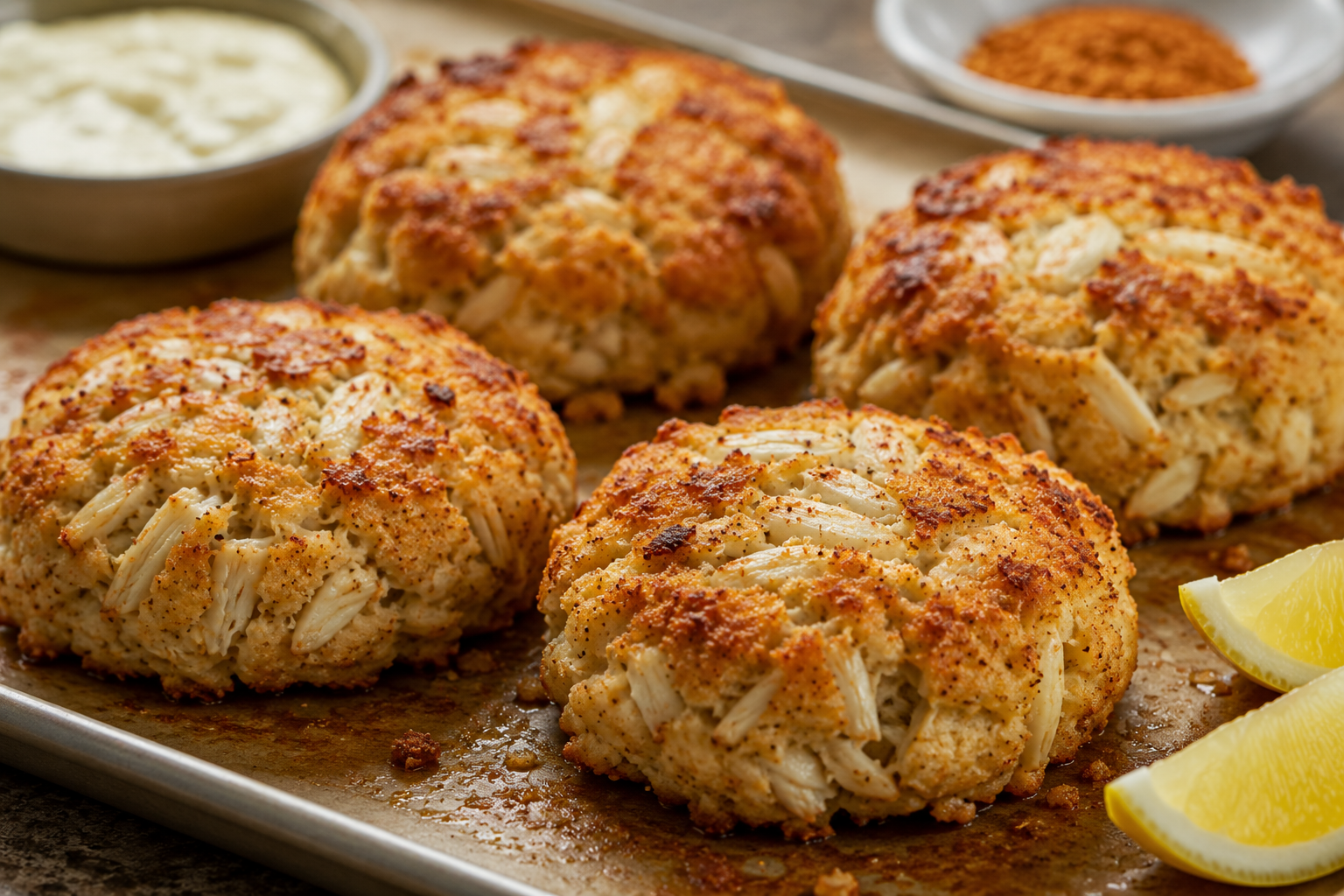
Maryland crab cake is the reference point for everything else. It originated along the Chesapeake Bay, where blue crab was the primary catch, and the philosophy was always: minimal interference with the crab.
The Maryland version differs from the generic recipe in these specific ways:
- Old Bay seasoning is non-negotiable — it’s the regional spice blend that defines the flavor
- Saltine crackers (crushed) instead of breadcrumbs — a traditional binder that dissolves into the cake without adding texture
- Yellow mustard in place of Dijon — sharper, more direct
- No herbs — nothing that competes with the crab itself
Maryland crab cakes are traditionally broiled rather than pan-fried. Place on a buttered baking sheet, brush the tops with melted butter, and broil 4–5 inches from the heat for 10–12 minutes until golden and just set. No flipping. The result is a lighter, softer interior with a slightly caramelized top.
New Orleans Cajun Crab Cake Recipe
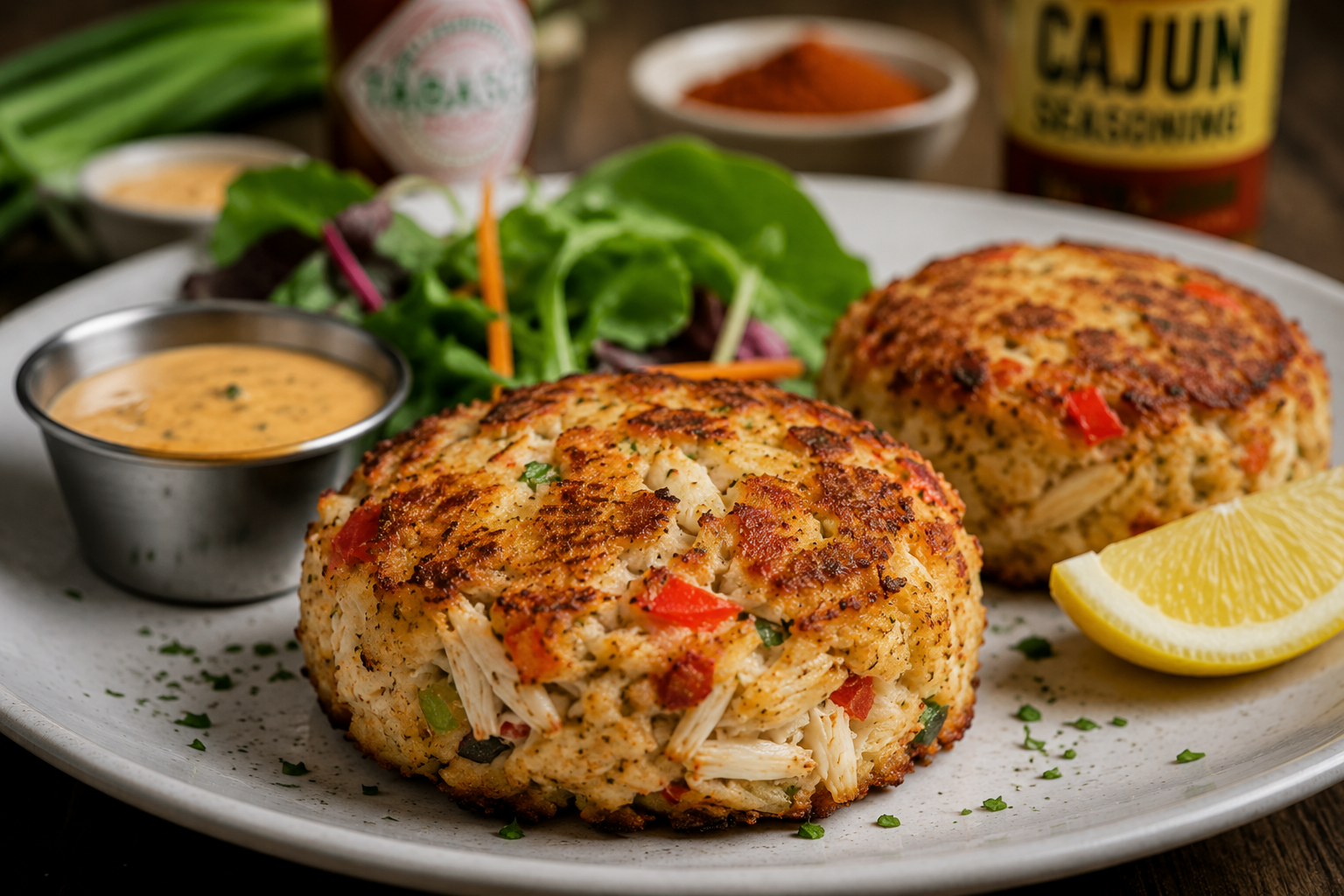
The New Orleans approach brings in the Louisiana seasoning tradition — bolder, spicier, and layered with aromatic vegetables that the Maryland version deliberately avoids.
Additional ingredients vs. classic base:
- 1 tsp Cajun seasoning (or Creole seasoning)
- ½ tsp smoked paprika
- 2 tbsp finely diced celery
- 2 tbsp finely diced red bell pepper
- 1 green onion, thinly sliced
- ½ tsp hot sauce (Crystal or Tabasco)
- Pinch of cayenne
The celery and bell pepper — the base of Louisiana cooking — need to be sautéed briefly before adding to the mixture. Raw, they release water into the cake during cooking and cause structural failure. Cook them 3–4 minutes until soft, let cool completely, then fold in.
Cajun crab cakes are best pan-fried in clarified butter, which handles higher heat without burning and gives the crust a richer color and flavor.
Serving suggestion: Remoulade sauce (mayonnaise, Creole mustard, hot sauce, lemon, paprika, capers) rather than plain lemon mayo.
Crispy Crab Cake Recipe — The Breaded Version
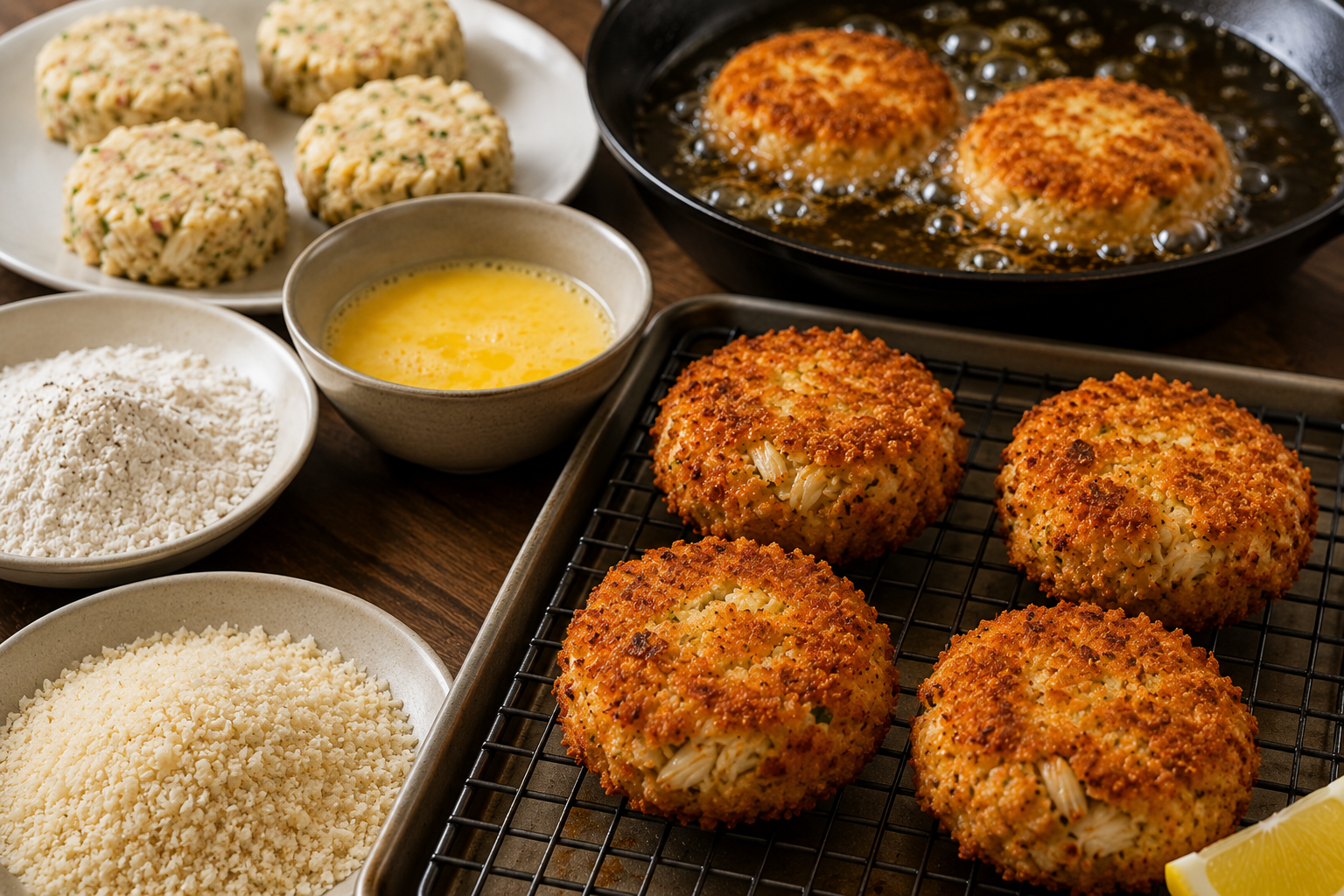
For a crunchier exterior, a two-step dredge approach creates a significantly more textured crust:
Crust dredge station:
- Plate of flour (seasoned with salt and pepper)
- Bowl of beaten egg
- Plate of panko breadcrumbs
After shaping, dredge each cake lightly in flour (this helps the egg stick), dip in egg wash, then press into panko. The double coating creates the snap of a properly fried piece of fish.
Fry at 350°F (175°C) in 1 inch of neutral oil — enough to come halfway up the sides. 3 minutes per side is usually sufficient. The oil temperature matters: too low and the cakes absorb oil and go soggy; too high and the outside burns before the center heats through.
Drain on a wire rack, not paper towels — wire racks keep the bottom crust from steaming and going soft.
Baked Crab Cakes Recipe — Lighter, Hands-Off Method
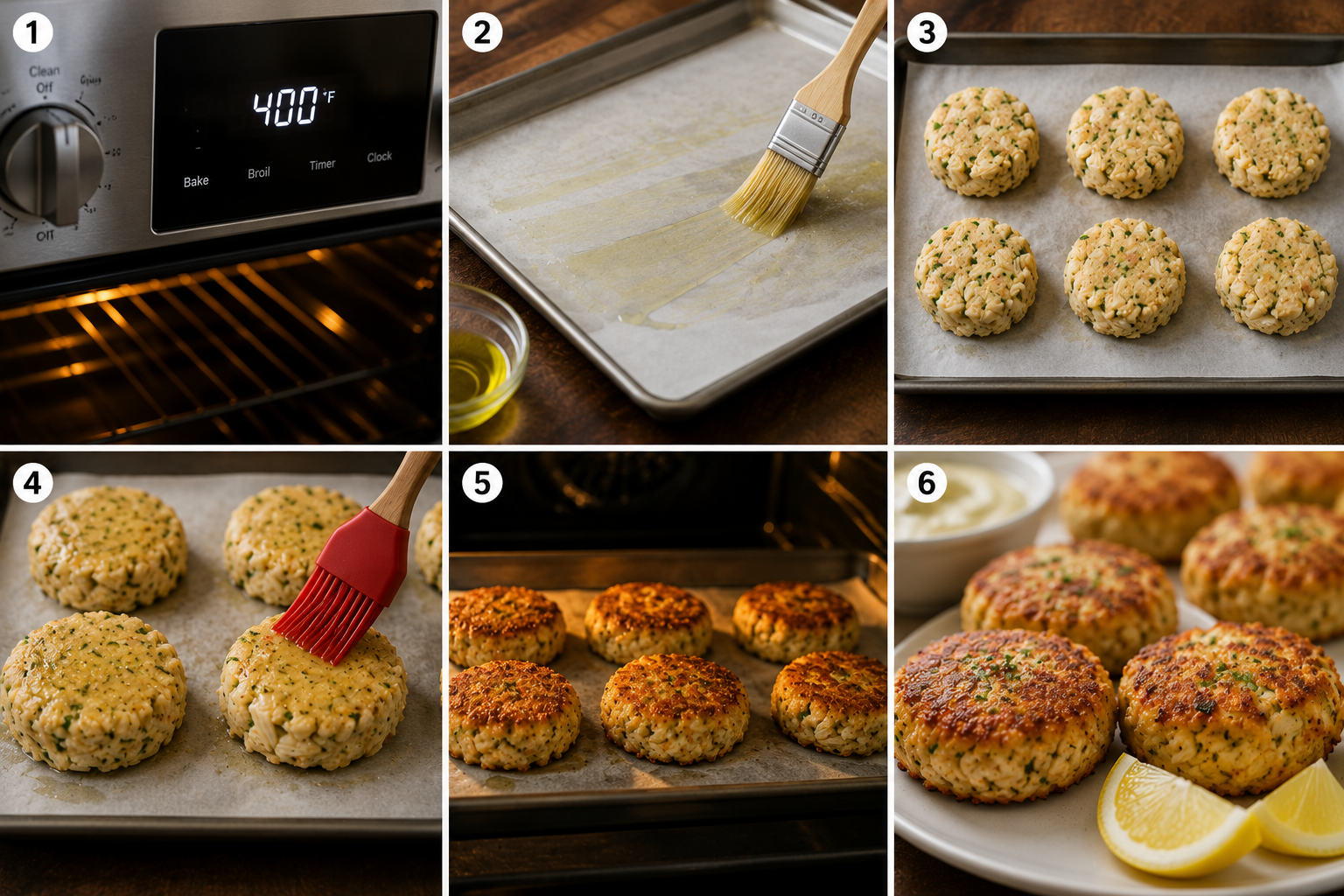
Baking is genuinely practical rather than just a “healthy swap.” You can cook a full batch at once without standing at the stove, and the results are consistent.
Method:
- Preheat oven to 400°F (200°C)
- Line a baking sheet with parchment and brush lightly with olive oil
- Place shaped crab cakes on the sheet, space evenly
- Brush tops with melted butter or olive oil
- Bake 18–20 minutes, flipping once halfway at the 10-minute mark
The flip is optional but creates better color on both sides. Without flipping, the top browns and the bottom steams — still good, just different texture.
For crispier results without frying: after the initial bake, switch the oven to broil for the last 2–3 minutes. Watch closely — the breadcrumb surface goes from golden to burned quickly under a broiler.
Lump Crab Cakes With Lemon Mayo Sauce
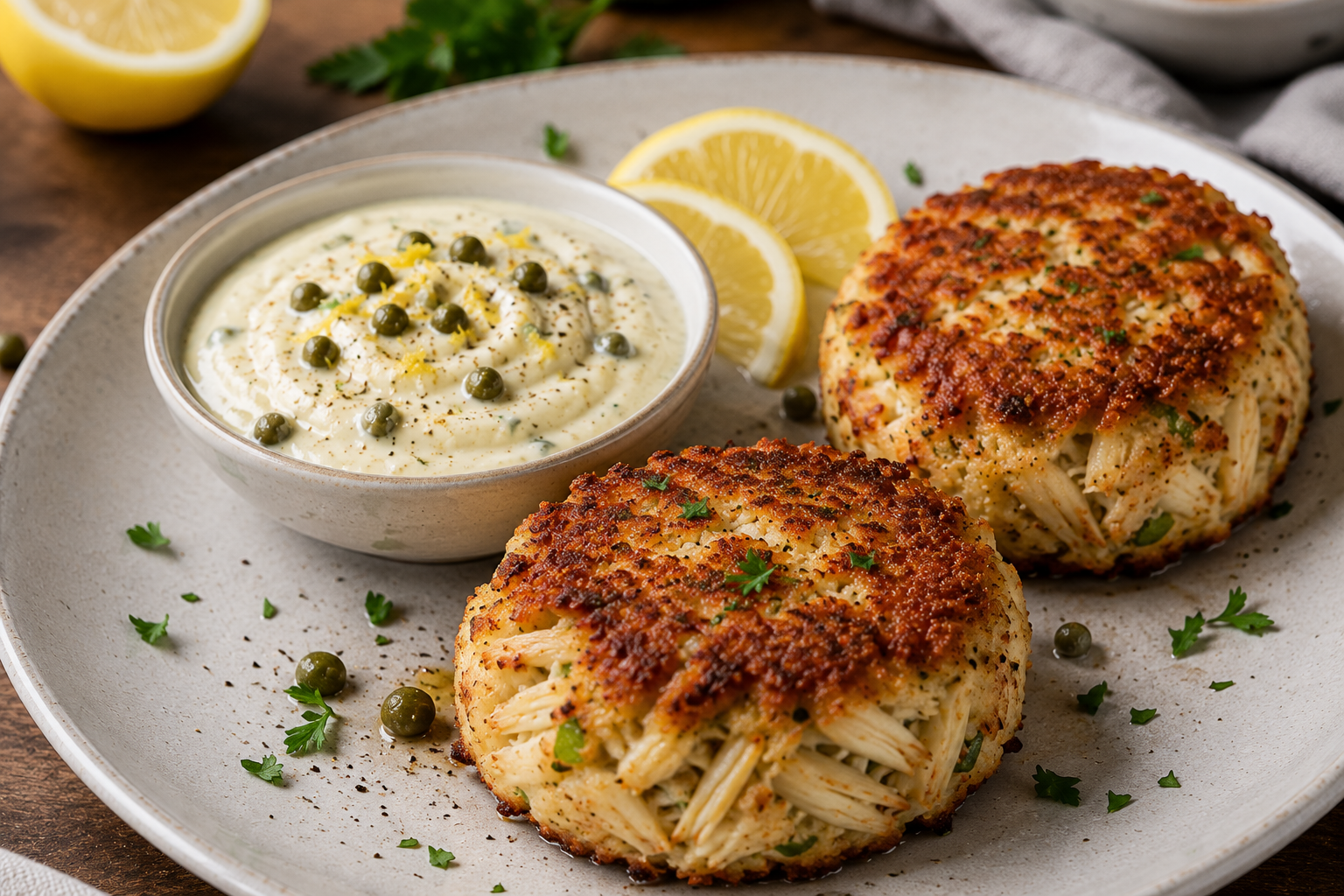
This version centers the sauce as a deliberate counterpoint to the richness of the crab cake. The lemon mayo lifts the fat content of the cake and adds brightness that plain tartar sauce doesn’t achieve.
Lemon Mayo Sauce:
- 4 tbsp good-quality mayonnaise
- 1 tsp lemon zest (not just juice — the zest is where the punch is)
- 1 tbsp fresh lemon juice
- 1 tsp capers, finely chopped
- ½ tsp garlic powder
- Salt, white pepper to taste
Make the sauce at least 20 minutes before serving. Resting lets the flavors integrate — fresh-made lemon mayo tastes raw and one-dimensional.
The crab cake base here should use jumbo lump specifically — the visual contrast of large white crab pieces against the yellow sauce is part of the presentation.
Jamie Oliver Inspired Crab Cakes
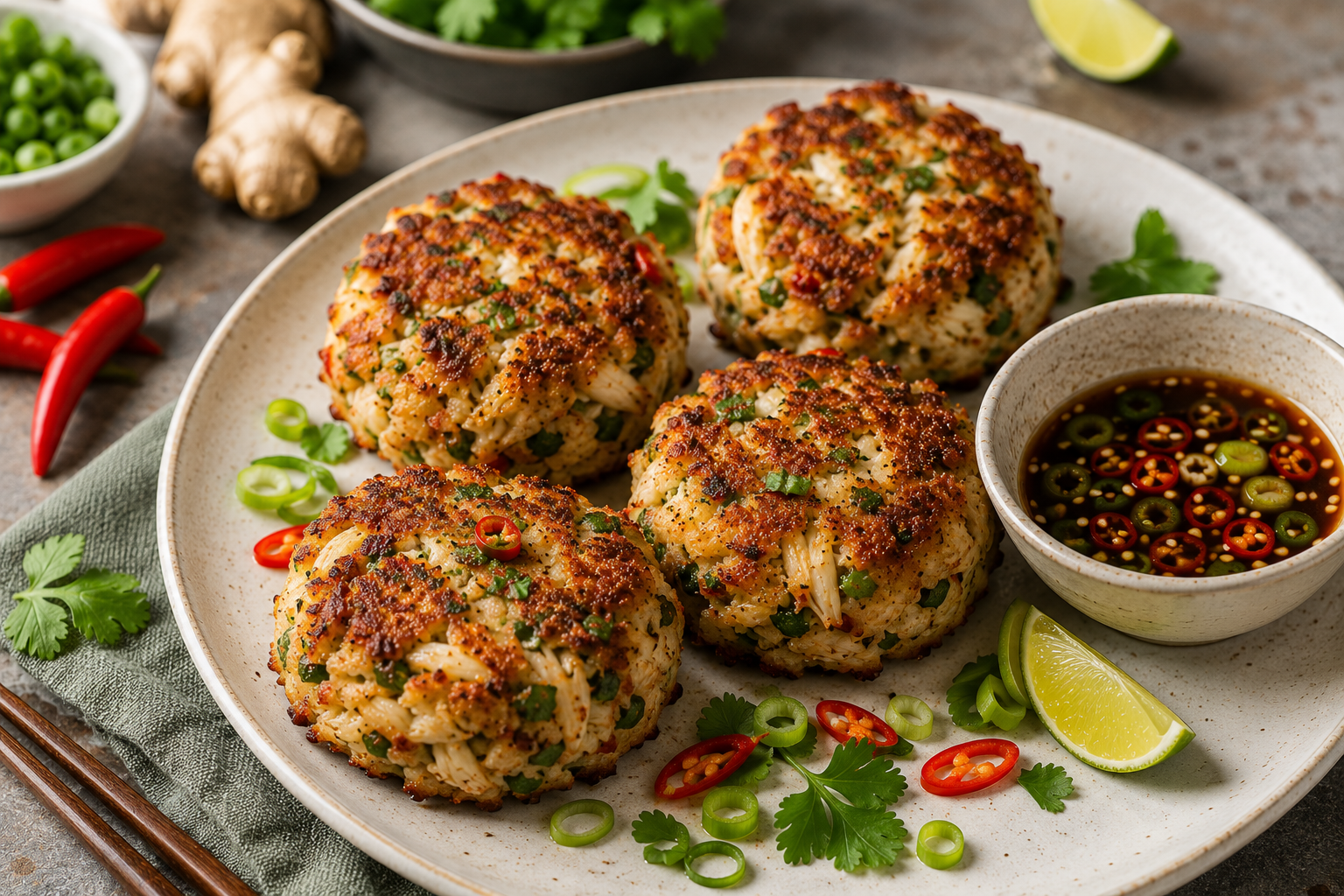
Jamie Oliver’s approach to crab cakes leans toward Southeast Asian influence — using fresh ginger, spring onion, coriander, and a splash of fish sauce instead of Worcestershire. The binding is lighter, often using just egg without heavy mayo.
Key additions to the base recipe:
- 1 tbsp fresh ginger, grated
- 3 spring onions, finely sliced
- Handful of fresh coriander, chopped
- 1 tsp fish sauce
- 1 red chili, deseeded and finely diced
- 1 tbsp sesame oil for cooking
Serve with a dipping sauce of soy, lime juice, sesame oil, and a little sugar — Thai-influenced rather than classic American.
These are lighter in texture than the Maryland or Louisiana versions — smaller cakes, thinner, more herb-forward. They work better as a starter than as a main.
Mary Berry Style Crab Cakes
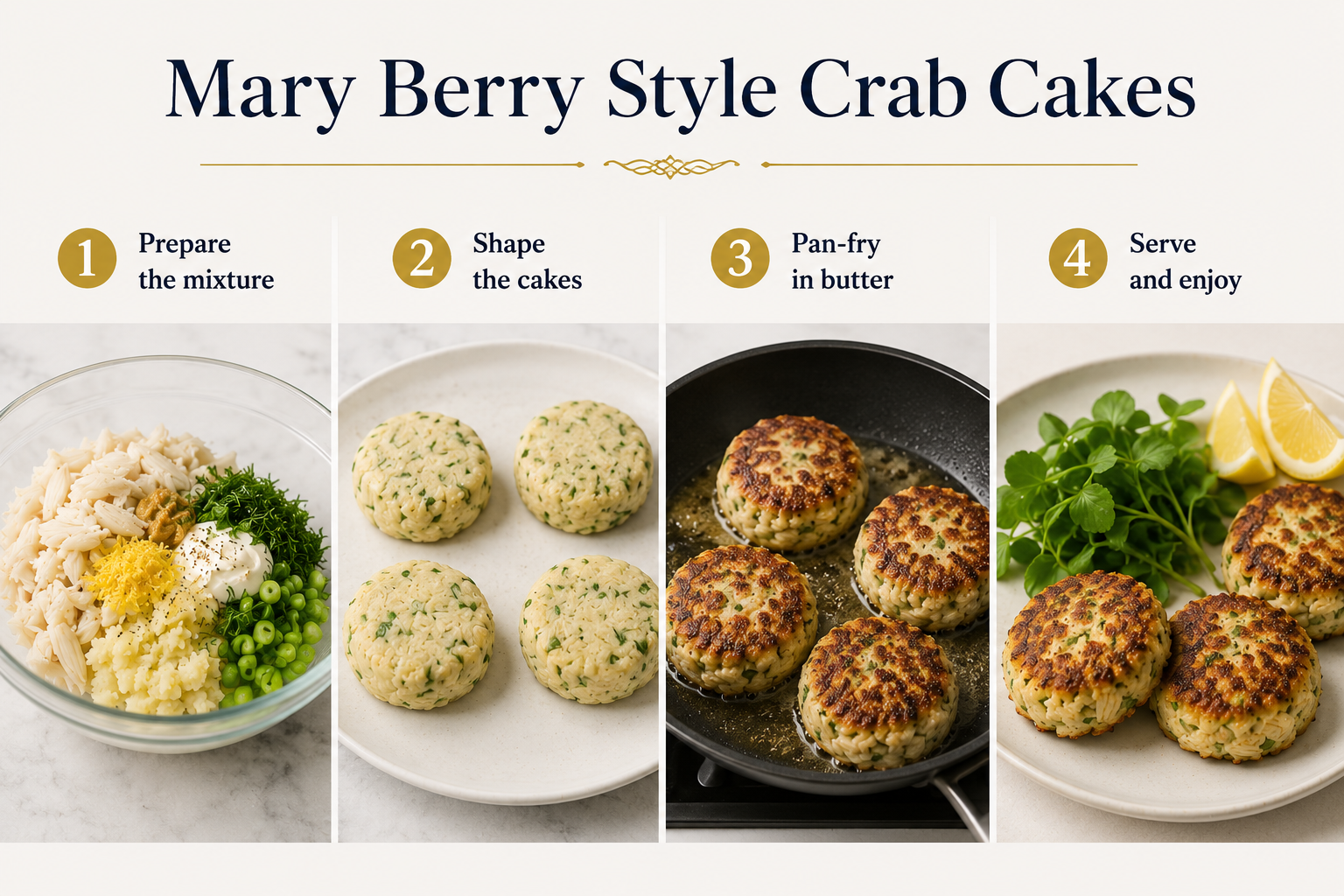
Mary Berry’s British approach to crab cakes is restrained and elegant — focused on clean flavors without heavy seasoning. Her version typically incorporates:
- Crab mixed with finely mashed potato as the binder (instead of breadcrumbs)
- Spring onion and fresh dill
- A small amount of crème fraîche instead of mayo
- Lemon zest and a little English mustard
The potato binder gives these a softer, almost fishcake-like interior. They hold together very well but don’t develop a crispy crust the way a breadcrumb-bound version does. Best pan-fried in butter over medium heat, served with dressed watercress and lemon wedges.
Healthy Crab Cake Version
The classic recipe is already relatively lean — the issue is usually the cooking method, not the ingredients.
Swaps that actually work:
- Replace mayo with plain Greek yogurt (same binding ability, 60% less fat)
- Use oat flour instead of breadcrumbs (adds fiber, reduces refined carbohydrate)
- Bake instead of fry (eliminates added cooking fat entirely)
- Serve with avocado-based sauce instead of mayo-based
Healthy version base (8 cakes):
Ingredient |
Amount |
| Lump crab meat | 500g |
| Plain Greek yogurt | 3 tbsp |
| Egg white only | 1 |
| Dijon mustard | 1 tsp |
| Old Bay seasoning | 1 tsp |
| Oat flour | 3 tbsp |
| Lemon juice and zest | 1 lemon |
| Fresh dill and chives | 2 tbsp each |
Bake at 400°F for 18 minutes. These are lower in saturated fat and higher in protein percentage than the classic version. The texture is slightly softer, which is expected when you remove fat from the equation.
Crab Cake Nutrition And Calories
Per standard pan-fried crab cake (approx. 90g, using the classic recipe):
| Nutrient | Amount |
| Calories | 175–210 kcal |
| Protein | 14–16g |
| Total Fat | 10–12g |
| Saturated Fat | 2–3g |
| Carbohydrates | 8–10g |
| Sodium | 480–520mg |
| Cholesterol | 75mg |
| Omega-3 fatty acids | 350–450mg |
Baked version saves approximately 40–60 kcal per cake by eliminating frying fat.
Crab is a complete protein source — it contains all nine essential amino acids. The zinc and selenium content in crab meat supports immune function and thyroid health. Omega-3 fatty acids in crab contribute to cardiovascular and anti-inflammatory benefits, though the per-serving amount is modest compared to oily fish like salmon.
The primary nutritional concern in crab cakes is sodium — both from the crab itself and from Old Bay or Cajun seasoning blends. People managing hypertension should consider using low-sodium seasoning alternatives and reducing added Worcestershire sauce.
Expert Tips For Better Crab Cakes
These aren’t standard recipe-card tips — they come from repeated failure analysis:
Don’t skip refrigeration. Thirty minutes minimum. The mixture that looks too loose to form at room temperature becomes workable after chilling. Skipping this step and adding more breadcrumbs to compensate is the most common path to dense, bready cakes.
Use a non-stick or well-seasoned cast iron pan. Stainless steel will grab and tear the crust before it forms. The crab cake needs to release cleanly on its own — if it’s sticking, it’s not ready to flip.
Taste the raw binder mix. Before adding crab, taste the mayo-egg-seasoning mix. If it’s not quite right raw, it won’t improve after cooking.
Size consistently. Uneven-sized cakes cook unevenly. A scoop or measuring cup ensures each one finishes at the same time.
Cold crab goes into a cold mix. Don’t add crab to a warm mixture — this slightly activates the egg, changes the texture of the bind, and softens the crab pieces.
Make a test cake. If you’re cooking a large batch, cook one first. It tells you whether your mixture holds, your heat is right, and your seasoning is on point — before you commit the rest.
Frequently Asked Questions
What is the best crab meat for crab cakes? Lump crab meat is the best all-purpose choice. Jumbo lump is preferred for premium presentation. Backfin works well in Cajun or herb-heavy versions where large pieces are less critical.
Why do my crab cakes fall apart? Three most common reasons: too much moisture in the crab (not drained properly), not enough chilling time before cooking, or too high heat causing the exterior to cook faster than the interior can set.
Can I make crab cakes ahead of time? Yes. Shape them, place on a parchment-lined tray, cover with plastic wrap, and refrigerate up to 24 hours before cooking. They can also be frozen uncooked — freeze on the tray first, then transfer to a bag. Cook from frozen at 375°F for 25–28 minutes.
What is the difference between Maryland and regular crab cakes? Maryland crab cakes use saltine crackers instead of breadcrumbs, Old Bay as the primary seasoning, and are traditionally broiled rather than pan-fried. They use minimal mix-ins so the crab flavor is front and center.
What sauce goes with crab cakes? Classic: tartar sauce or lemon aioli. Maryland style: remoulade. Cajun: Creole mustard remoulade. Asian-inspired: soy-lime dipping sauce. Light: lemon mayo with capers.
Are crab cakes gluten-free? Not with standard breadcrumbs. Use certified gluten-free panko, oat flour, or crushed gluten-free crackers to make them suitable for gluten-intolerant diners. All other standard ingredients are naturally gluten-free.
How long can uncooked crab cake mixture be refrigerated? Up to 24 hours. Beyond that, the moisture from the crab continues to break down the binder and the mixture becomes harder to work with.
Conclusion
The difference between a crab cake that impresses and one that disappoints isn’t a secret ingredient — it’s ratio, technique, and not overcrowding the crab with filler. Whether you go classic Maryland, spiced Cajun, crispy breaded, or clean-baked, every version succeeds when the crab stays dominant and the binding stays minimal.
Start with the classic base. Once you’ve made it twice and understand how the mixture should feel before and after chilling, adapting it to any regional variation becomes intuitive. The recipe is simple. The consistency is the skill.