Nutrition Facts Red Lobster Biscuit in 2026: Calories, Ingredients, and the Honest Health Picture

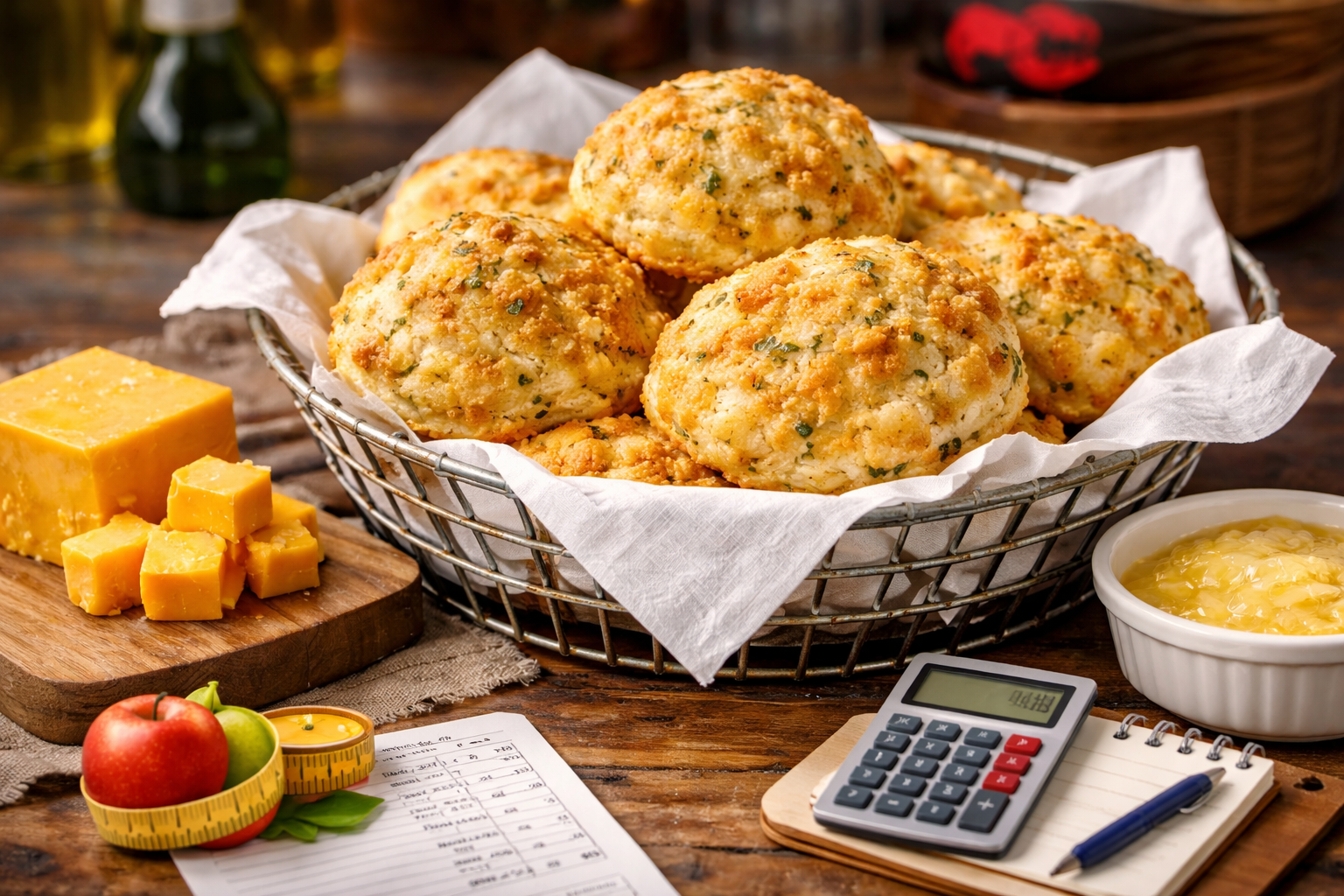
The Cheddar Bay Biscuit is arguably more famous than anything else on the Red Lobster menu. People who haven’t been to a Red Lobster in years still remember the biscuits. The at-home box mix version sold at grocery stores regularly outsells other branded baking mixes in its category. And yet, for something this widely eaten, reliable and complete nutrition information about it is surprisingly scattered — especially in 2026, when calorie transparency and ingredient awareness have become standard expectations for restaurant food.
Nutrition Facts Red Lobster Biscuit 2026: The Complete Guide
What Makes the Cheddar Bay Biscuit What It Is
The Red Lobster Cheddar Bay Biscuit is a drop biscuit, not a rolled-and-cut biscuit. This is an important technical distinction. Rolled biscuits (like Southern buttermilk biscuits) are made from a stiffer dough that’s folded multiple times to create layers. Drop biscuits use a wetter batter that’s scooped directly onto a pan — no rolling, no cutting, no lamination. The wetter batter typically includes more fat (butter or shortening) to keep the biscuit moist and tender despite the absence of a layered structure.
In the case of the Cheddar Bay Biscuit, the formula adds sharp cheddar cheese into the batter — which contributes fat, salt, protein, and flavor — and finishes with a garlic herb butter brushed over the top immediately after baking. That butter wash is not decorative. It’s a significant caloric addition that accounts for roughly 30–40 calories of the biscuit’s total and contributes meaningfully to the sodium content.
Red Lobster Biscuits Nutrition Facts: Restaurant Version 2026
Per one biscuit served at the Red Lobster restaurant (approximately 49–53g per biscuit depending on size variation by location):
| Nutrient | Amount Per Biscuit |
| Calories | 150–160 kcal |
| Total Fat | 8–9g |
| Saturated Fat | 3.5–4.5g |
| Trans Fat | 0g |
| Cholesterol | 20–25mg |
| Sodium | 350–390mg |
| Total Carbohydrates | 16–18g |
| Dietary Fiber | 0–1g |
| Total Sugars | 1–2g |
| Protein | 3–4g |
| Calcium | ~50mg (~4% DV) |
| Iron | ~1mg (~6% DV) |
The figure most frequently cited — and confirmed across Red Lobster’s own published nutritional data and independent database cross-references — is 160 calories per biscuit for the standard restaurant-served version.
The sodium number is the one to watch. At 350–390mg per biscuit, a single Cheddar Bay Biscuit delivers approximately 15–17% of the recommended daily sodium ceiling for most adults (2,300mg). The restaurant standard is to serve two biscuits per person at the start of a meal — sometimes more if refills are offered — which means sodium from the biscuits alone can reach 700–780mg before the entrée arrives.
How Many Calories in a Biscuit from Red Lobster: The Per-Serving Reality
The 160-calorie figure is for a single biscuit, but the practical eating context matters.
Most diners at Red Lobster eat 2–3 biscuits before their main course arrives. This is not unusual behavior — the biscuits are brought warm to the table as a complimentary item, they’re presented before hunger has been addressed by the main meal, and the garlic-butter finish makes them difficult to eat slowly.
Realistic consumption scenarios:
| Biscuits Eaten | Calories (biscuits only) | Sodium (biscuits only) |
| 1 biscuit | 160 kcal | ~370mg |
| 2 biscuits | 320 kcal | ~740mg |
| 3 biscuits | 480 kcal | ~1,110mg |
| 4 biscuits | 640 kcal | ~1,480mg |
Three biscuits before the main course is not an extreme scenario — it represents approximately 480 calories and over 1,000mg of sodium consumed before the entrée, side dishes, or any beverages are factored in.
Calories in a Red Lobster Cheddar Biscuit: Restaurant vs. At-Home Mix vs. Homemade
There are three distinct products to understand here, and their calorie counts differ:
- Restaurant biscuit (made fresh at the location): ~160 calories per biscuit
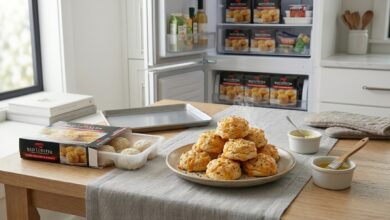
- Red Lobster Cheddar Bay Biscuit Mix (boxed, from grocery stores): The at-home box mix — sold by Betty Crocker under license — requires the user to add butter, milk, and shredded cheddar cheese. The nutrition facts on the box reflect the prepared biscuit, including the added ingredients.
Per one prepared biscuit from the standard box mix (approximately 40–45g):
- Calories: 150 kcal
- Total Fat: 7g
- Saturated Fat: 4g
- Sodium: 360mg
- Carbohydrates: 19g
- Protein: 3g
The box mix biscuit runs slightly lower in calories than the restaurant version, primarily because the restaurant version tends to be slightly larger and may use a heavier butter wash. The sodium is comparable.
- Fully homemade version (from scratch): Variable — see recipe section below. A well-built homemade version runs 130–145 calories per biscuit depending on fat levels, with scope for meaningful reduction in a lighter version.
Red Lobster Cheddar Bay Biscuit Mix Nutrition Facts: Full Ingredient Breakdown
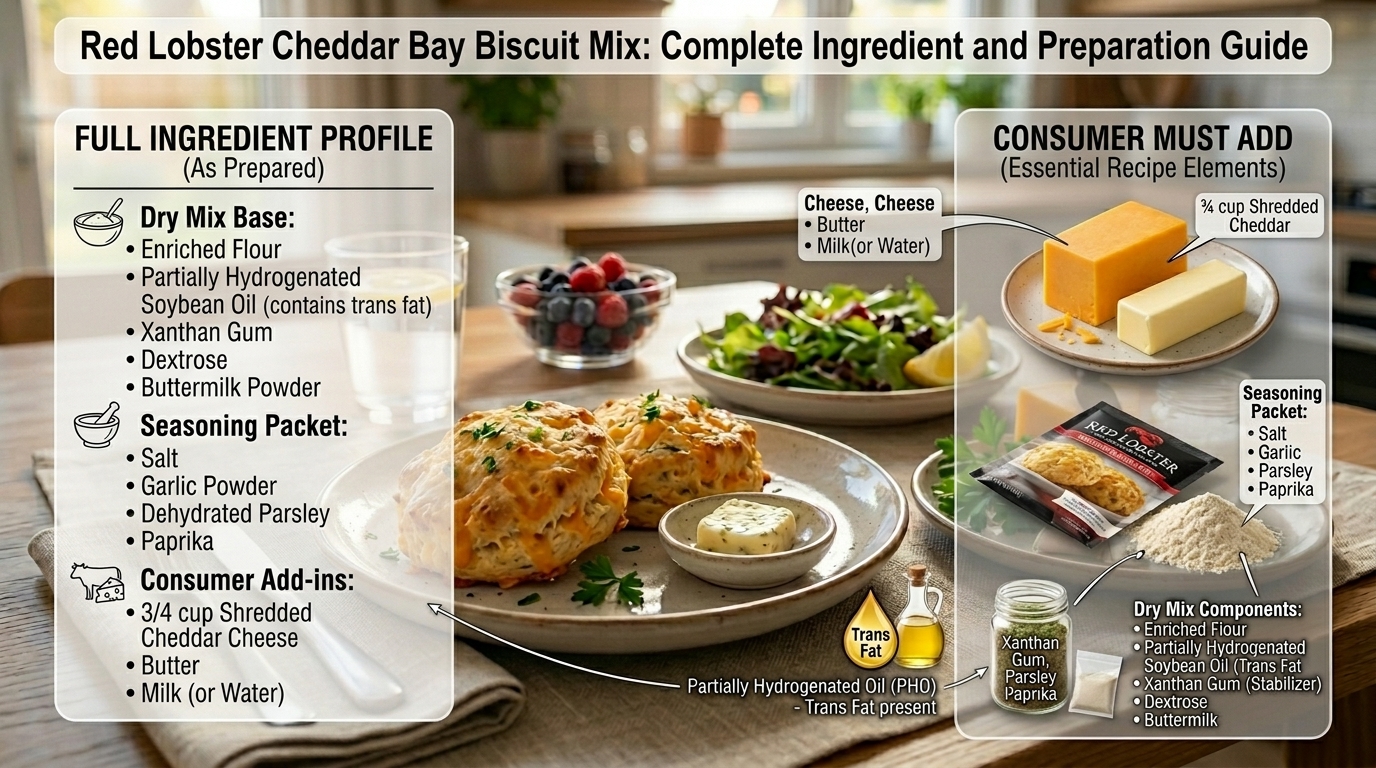
The boxed mix ingredient list (Betty Crocker formulation) includes:
In the mix packet: Enriched flour bleached (wheat flour, niacin, iron, thiamin mononitrate, riboflavin, folic acid), partially hydrogenated soybean and/or cottonseed oil, leavening (baking soda, sodium aluminum phosphate, monocalcium phosphate), salt, dextrose, buttermilk, natural flavor, xanthan gum.
In the seasoning packet (garlic herb butter topping): Salt, garlic, parsley, paprika, natural butter flavor.
Added by the consumer: Butter (typically ⅓ cup / 76g), shredded cheddar cheese (¾ cup), milk or water (½ cup).
A few notes on the ingredient list that most reviews skip:
Partially hydrogenated oil appears in the dry mix — this is the technical definition of trans fat. The quantity is small enough that the per-serving trans fat rounds to 0g under FDA labeling rules (less than 0.5g per serving), but it is present. People with specific dietary concerns around partially hydrogenated oils should note this.
Xanthan gum is a common baking stabilizer. It’s used here to improve biscuit structure and moisture retention without additional gluten development. It’s derived from fermented corn sugar and is generally well-tolerated, though people with severe corn allergies may react.
Enriched flour rather than whole wheat means the bran and germ have been removed and synthetic vitamins added back — standard for commercial white flour biscuits. The fiber content is consequently minimal (0–1g per biscuit), which means these biscuits contribute almost no dietary fiber to the meal.
Which Biscuit Is Lowest in Calories?
Among the three main formats — restaurant, box mix, and homemade — the homemade version made with intentional modifications offers the lowest calorie count while preserving most of the original flavor profile.
Comparative summary:
| Version | Calories Per Biscuit | Sodium Per Biscuit |
| Red Lobster restaurant biscuit | ~160 kcal | ~370mg |
| Box mix (prepared as directed) | ~150 kcal | ~360mg |
| Homemade (standard recipe) | ~135–145 kcal | ~290–320mg |
| Homemade (lighter version) | ~110–120 kcal | ~220–250mg |
The restaurant version is slightly higher because of portion size and the generous butter glaze applied post-bake. The box mix prepared with reduced butter runs slightly lower. A fully homemade version where you control every ingredient gives you the most flexibility to reduce fat, sodium, and overall calorie density without losing the cheddar-garlic character that makes this biscuit worth eating.
Red Lobster Cheddar Bay Biscuit Ingredients: Homemade Recipe
This recipe makes 10–12 biscuits and is designed to match the restaurant flavor profile as closely as possible while using whole ingredients you control.
For the biscuit batter:
- 2 cups (240g) all-purpose flour (or 1¾ cup all-purpose + ¼ cup whole wheat flour for added fiber)
- 1 tbsp baking powder
- 1 tsp garlic powder
- 1 tsp onion powder
- ½ tsp fine sea salt
- ½ tsp sugar
- ¼ tsp cayenne pepper (optional — adds subtle heat that the restaurant version carries)
- 6 tbsp (85g) cold unsalted butter, cubed
- ¾ cup (170ml) cold whole milk or buttermilk
- 1 cup (115g) sharp cheddar cheese, freshly grated (not pre-shredded — pre-shredded cheese has starch coating that affects melt)
- 1 large egg (for structure and richness)
For the garlic herb butter topping:
- 3 tbsp unsalted butter, melted
- ½ tsp garlic powder
- ½ tsp dried parsley
- Pinch of salt
- Optional: ¼ tsp smoked paprika for color
Step-by-Step Recipe Method
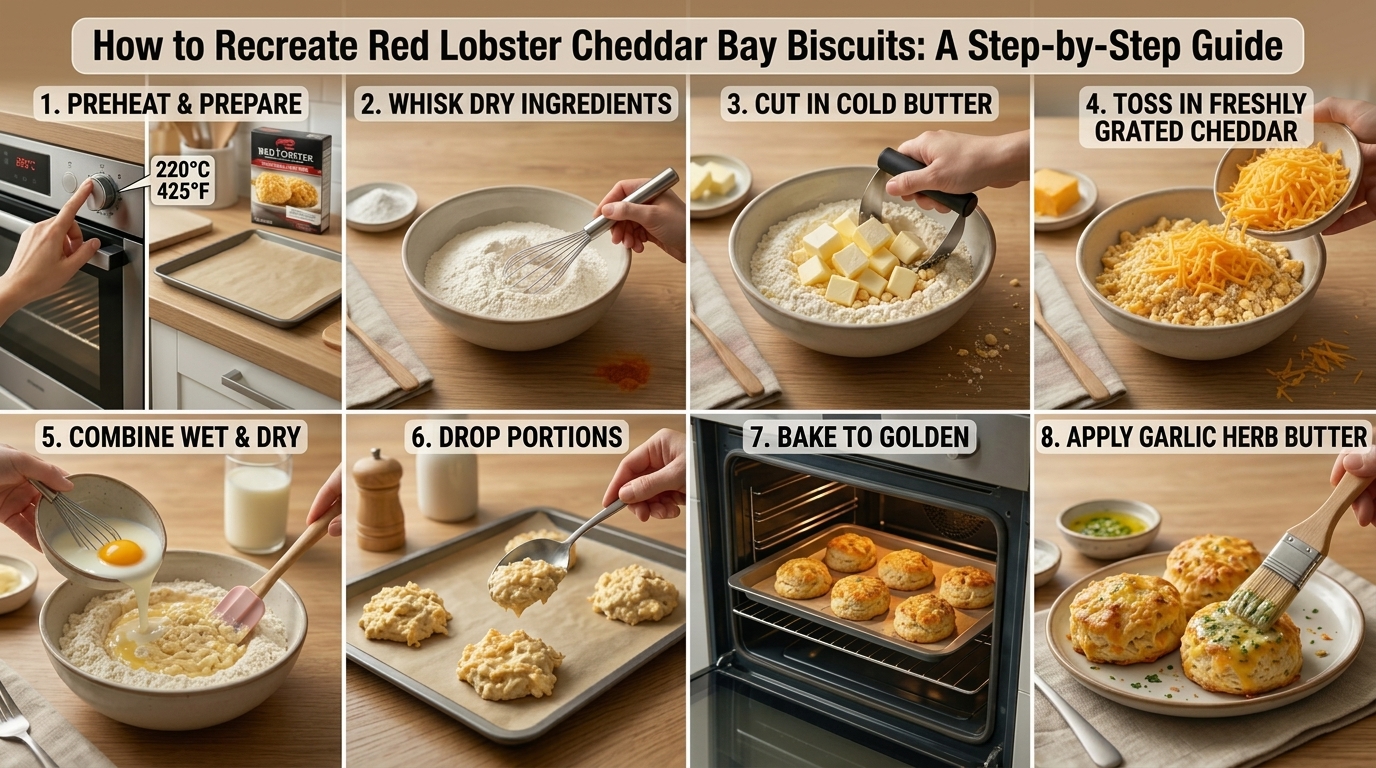
Step 1 — Preheat and prepare: Preheat oven to 220°C (425°F). Line a baking sheet with parchment paper. This temperature is higher than many biscuit recipes call for — the high heat is intentional. It creates rapid steam expansion in the batter, producing a taller, lighter biscuit with a properly browned exterior before the interior dries out.
Step 2 — Mix dry ingredients: Whisk flour, baking powder, garlic powder, onion powder, salt, sugar, and cayenne together in a large bowl. Whisk thoroughly — uneven distribution of baking powder creates inconsistent rise and flat spots.
Step 3 — Cut in cold butter: Add the cold, cubed butter to the dry ingredients. Using a pastry cutter, two forks, or your fingertips, work the butter into the flour until the mixture resembles coarse, pea-sized crumbs. Some larger butter pieces are fine — they create steam pockets during baking that contribute to the flaky, tender interior. The butter must be cold. Room-temperature or melted butter produces a greasy, flat biscuit rather than a light one.
Step 4 — Add cheese: Toss the freshly grated cheddar into the butter-flour mixture and stir to distribute. Coating the cheese in flour prevents it from clumping or sinking to the bottom of the biscuit during baking.
Step 5 — Add wet ingredients: In a small bowl, whisk the egg into the cold milk or buttermilk. Pour the liquid into the flour mixture all at once. Using a fork or rubber spatula, stir just until no dry flour remains visible — approximately 10–12 strokes. Overmixing develops gluten, which toughens the biscuit. The batter will look shaggy and slightly lumpy; this is correct.
Step 6 — Portion and bake: Drop the batter by large spoonfuls (approximately 3 tablespoons each) onto the prepared baking sheet, spacing about 2 inches apart. The drop format — not rolling, not shaping — is what gives these biscuits their irregular, rustic surface texture. Smooth-shaped biscuits will look different and cook differently. Bake 12–14 minutes until the tops are golden and a toothpick inserted in the center comes out clean.
Step 7 — Apply garlic herb butter immediately: While the biscuits are baking, melt the topping butter and stir in garlic powder, parsley, salt, and paprika if using. As soon as the biscuits come out of the oven, brush the garlic herb butter over each biscuit generously. The hot biscuit absorbs the butter into the surface rather than letting it pool — timing matters here. Let rest 2 minutes before serving.
Tips for the Best Red Lobster-Style Biscuit at Home
Use freshly grated cheddar, not bagged shredded cheese. Pre-shredded cheese contains cellulose or potato starch anti-caking agents that inhibit melting and create a slightly grainy texture inside the biscuit. Grating from a block takes 2 minutes and produces a noticeably better result.
Keep everything cold. Cold butter, cold milk, cold bowl if possible. Warmth melts the butter into the flour before baking, which removes the steam-pocket mechanism responsible for the biscuit’s rise and lightness.
Don’t overmix. This is the single most common homemade biscuit error. Once the liquid is added, the goal is to just combine — not to create a smooth batter. Visible butter chunks in the batter are correct. Lumpy batter is correct. A smooth, uniform batter indicates overmixing.
Use buttermilk if available. Buttermilk reacts with baking powder more vigorously than whole milk, producing a slightly more tender, more flavorful biscuit with a hint of tang that mirrors the restaurant version’s complexity. If you don’t have buttermilk, add 1 tbsp of white vinegar or lemon juice to regular milk, stir, and let sit 5 minutes before using.
Don’t skip the cayenne. It’s a small amount and won’t make the biscuit taste spicy, but it adds background warmth that makes the cheese and garlic flavors more pronounced. This is one of those “what is that?” ingredients that people notice when it’s absent.
Grate cheese at room temperature but refrigerate after. Room-temperature cheddar grates more easily without clumping, but the grated cheese should be refrigerated briefly before adding to the cold flour-butter mixture to avoid warming the dough.
Healthy Version of the Red Lobster Cheddar Bay Biscuit
The calorie and sodium reductions in a lighter version are meaningful without requiring a total reformulation.
Reduce butter in the batter: Cut from 6 tablespoons to 4 tablespoons. This saves approximately 140 calories across the full batch — roughly 12–14 calories per biscuit. The biscuits will be very slightly less rich but remain moist because the egg and cheese contribute fat independently.
Use reduced-fat sharp cheddar: Full-fat sharp cheddar has around 110 calories per ounce; reduced-fat versions run 60–70 calories per ounce. Using reduced-fat cheddar across the full cup (4 oz) saves approximately 160 calories batch-wide (~15 calories per biscuit) without significantly altering flavor — the sharpness of aged cheddar compensates for the fat reduction in intensity.
Swap half the flour for whole wheat: Replacing ¾ cup of all-purpose flour with whole wheat adds roughly 3g of fiber per biscuit — a meaningful improvement over the negligible fiber in the original. The texture becomes slightly denser and the flavor slightly nuttier, which pairs well with the cheddar.
Reduce the butter topping by half: The garlic herb butter wash adds 30–40 calories per biscuit. Brushing once lightly rather than heavily, or halving the butter in the topping, cuts this meaningfully while still delivering the garlic-herb aroma that makes the biscuits distinctive.
Estimated lighter version per biscuit (from a 12-biscuit batch):
- Calories: ~115–120 kcal
- Total Fat: ~5g
- Saturated Fat: ~2.5g
- Sodium: ~230mg
- Protein: ~4g
- Fiber: ~2g
At 115 calories with 4g of protein and 2g of fiber, the lighter version delivers the same flavor experience at approximately 25–30% fewer calories per biscuit than the restaurant version — a meaningful reduction for anyone eating two or three with a meal.
Nutrition Considerations: What These Biscuits Do and Don’t Provide
A single Cheddar Bay Biscuit provides modest amounts of calcium from the cheddar and milk (~4% DV), a small iron contribution from the enriched flour, and limited protein (3–4g). It’s not nutritionally dense in the way that a meal component would be — it’s a refined-carbohydrate, fat-forward item.
The key nutritional considerations in order of practical significance:
- Sodium: The most nutritionally consequential number per biscuit. At 350–390mg per restaurant biscuit, two servings deliver 700–780mg of sodium before the main meal. People managing hypertension, heart disease, or kidney function should be aware of this specifically.
- Saturated fat: 3.5–4.5g per biscuit from the butter and cheese. Two biscuits provide 7–9g of saturated fat, approaching the American Heart Association’s suggested daily ceiling of ~13g for a 2,000-calorie diet. Saturated fat from dairy is less conclusively linked to cardiovascular risk than trans fats, but it remains a variable worth tracking for people with specific lipid concerns.
- Refined carbohydrates: 16–18g of carbohydrates per biscuit with minimal fiber means a quick glucose response. For people managing blood sugar or following lower-carb eating patterns, this is the relevant variable. The whole wheat modification above is the most practical adjustment.
- Calories from fat: Approximately 45–50% of the biscuit’s total calories come from fat, primarily from butter and cheddar. This is consistent with most enriched quick breads — biscuits are not a low-fat food regardless of format, and the nutrition label reflects this honestly.
Frequently Asked Questions
How many calories are in one Red Lobster Cheddar Bay Biscuit in 2026? One restaurant biscuit contains approximately 150–160 calories based on current Red Lobster nutritional data and independent database cross-references. The 160-calorie figure is the most widely cited and reflects the standard restaurant portion with garlic herb butter topping applied.
How many calories are in the Red Lobster Cheddar Bay Biscuit box mix version? One prepared biscuit from the boxed at-home mix (Betty Crocker formulation) contains approximately 150 calories when made according to the standard package directions. This figure includes the butter, milk, and cheddar cheese added by the consumer as directed. If you reduce the butter or use reduced-fat cheese, the calorie count drops accordingly.
Which version of the Red Lobster biscuit is lowest in calories? A homemade lighter version — made with slightly less butter, reduced-fat cheddar, part whole wheat flour, and a lighter garlic butter topping — runs approximately 110–120 calories per biscuit. This is 25–30% lower than the restaurant version while preserving the core flavor profile. Among pre-made options, the box mix prepared with minimum recommended butter is marginally lower than the restaurant version.
What are the full nutrition facts for the Red Lobster biscuits? Per restaurant biscuit (~50g): 160 calories, 9g total fat, 4g saturated fat, 0g trans fat, 20mg cholesterol, 370mg sodium, 18g carbohydrates, 1g fiber, 2g sugar, 4g protein. The most clinically significant number is sodium at ~370mg per biscuit.
Is there a low-sodium version of the Red Lobster biscuit? Not available at the restaurant. For the at-home or homemade version, using unsalted butter, reducing added salt in both the batter and the topping, and choosing a lower-sodium cheddar can bring sodium per biscuit below 200mg. This requires fully homemade preparation — the box mix’s dry packet already contains a fixed amount of salt that can’t be reduced.
Does the Red Lobster biscuit contain gluten? Yes — wheat flour is the primary ingredient. The biscuit is not suitable for people with celiac disease or wheat allergy. For the homemade version, a 1:1 gluten-free flour blend can be substituted with comparable results when the batter is drop-style rather than rolled.
What kind of cheese is in the Red Lobster Cheddar Bay Biscuit? Sharp cheddar cheese, both embedded in the batter and contributing to the flavor profile. The restaurant uses a proprietary blend, but sharp or extra-sharp cheddar grated fresh from a block produces a result indistinguishable in flavor from the restaurant version.
Are the Red Lobster biscuits served unlimited? At Red Lobster restaurants, biscuits are typically offered as a complimentary basket and can be refilled upon request — the practical limit is what the diner is willing to eat. This is the key context for why tracking biscuit intake matters: the automatic, unlimited serving format removes natural portion cues that a priced, ordered item would otherwise create.
Conclusion
The Red Lobster Cheddar Bay Biscuit is one of the most calorie-dense complimentary items in chain restaurant dining — not because a single biscuit at 160 calories is unreasonable, but because the warm, unlimited, garlic-butter format consistently produces consumption well above a single serving. Three biscuits before the meal represents 480 calories and over 1,000mg of sodium before a single entrée bite.
Understanding the full nutrition facts for Red Lobster biscuits allows for more deliberate choices whether that means limiting to one biscuit at the restaurant, making the box mix version at home with reduced butter, or building the fully homemade lighter version at 115 calories with meaningful adjustments to fat, sodium, and fiber. The homemade recipe in this guide delivers a genuinely restaurant-comparable result with full ingredient control.