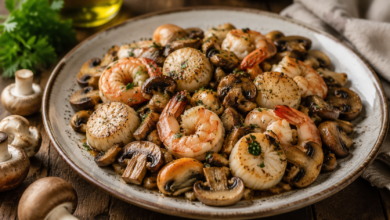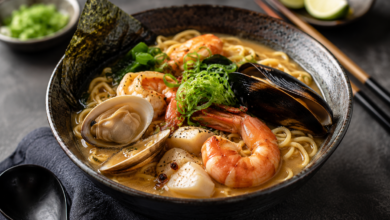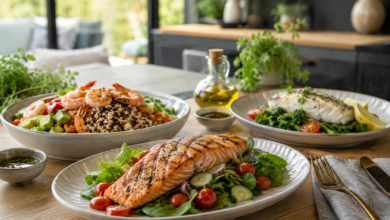
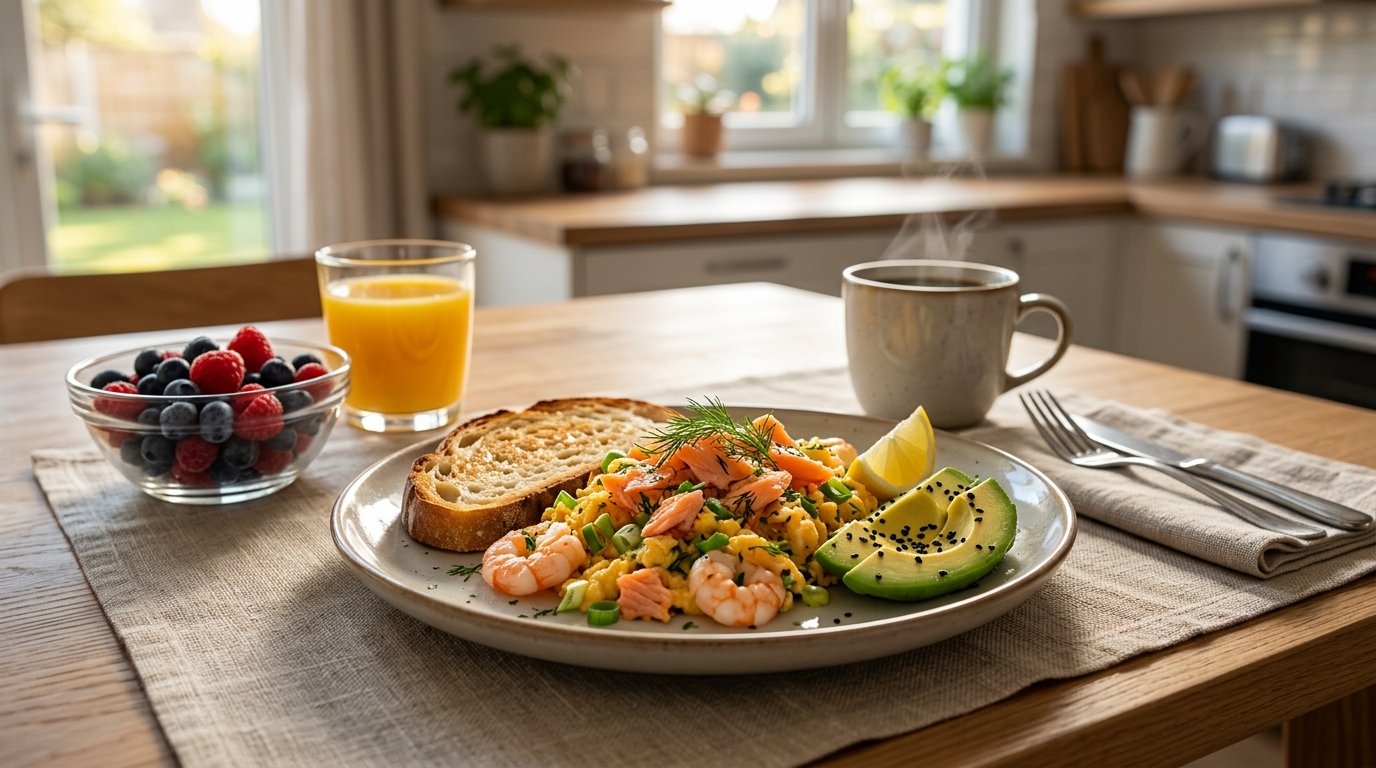
A seafood breakfast may sound unusual if your morning meal is usually eggs, toast, oats, or tea, but seafood has always belonged at the breakfast table in many food cultures. Smoked salmon with eggs, shrimp and grits, sardines on toast, crab omelets, salmon rice bowls, tuna wraps, and fish hash are all practical morning meals when they are built properly.
The reason seafood works so well at breakfast is simple: it cooks quickly, gives strong protein, and brings flavor without needing a heavy amount of butter, cheese, or processed meat. Fish and shellfish can also provide nutrients such as omega-3 fats, vitamin B12, iodine, selenium, zinc, and vitamin D, depending on the type of seafood. The American Heart Association recommends eating two servings of fish per week, especially fatty fish, because fish can be part of a heart-healthy eating pattern.
The mistake is thinking seafood breakfast has to be fancy. It does not. A quick plate of eggs with shrimp, canned salmon hash, sardines on whole-grain toast, or leftover salmon with rice can be easier than many restaurant-style brunch dishes.
What Is A Seafood Breakfast?
A seafood breakfast is any morning meal that uses fish, shellfish, or seafood-based ingredients as the main protein. It can be simple, like smoked salmon on toast, or more complete, like shrimp and grits with eggs. It can also be a light Mediterranean-style plate with sardines, tomatoes, olives, and bread.
Common seafood breakfast ingredients include salmon, smoked salmon, shrimp, crab, tuna, sardines, mackerel, scallops, lobster, mussels, clams, and canned fish. Some versions are cooked fresh in the morning. Others use leftovers from dinner, which is often the most practical method for busy people.
There are three main styles:
Seafood Breakfast Type |
Example |
| Quick weekday breakfast | Tuna toast, shrimp eggs, sardines on toast |
| Healthy protein breakfast | Salmon bowl, crab omelet, smoked salmon eggs |
| Weekend brunch | Shrimp and grits, crab cake Benedict, lobster scramble |
The contrarian point is important: seafood breakfast does not need to be expensive. Canned sardines, canned salmon, leftover grilled fish, frozen shrimp, and tinned tuna can all work. A breakfast does not become better just because it uses lobster or crab. It becomes better when the seafood is fresh, balanced, and not overcooked.
Why Eat Seafood In The Morning?
Seafood is a strong breakfast choice because it gives high-quality protein without feeling as heavy as many meat-based breakfast foods. A plate with eggs and shrimp can feel satisfying but still lighter than a plate built around bacon, sausage, fried potatoes, and cheese.
Protein matters in the morning because it helps fullness. A seafood breakfast with eggs, vegetables, and a small amount of starch can keep you satisfied longer than a sweet breakfast that is mostly refined carbs.
Fatty fish such as salmon, sardines, mackerel, herring, and trout provide omega-3 fatty acids. These fats are one of the main reasons fish is recommended in many nutrition guidelines. The American Heart Association lists salmon, sardines, herring, mackerel, oysters, and mussels as fatty fish or seafood choices that are high in omega-3 fatty acids.
Seafood also brings micronutrients that many breakfast foods do not provide in meaningful amounts. A nutrition review from the National Academies notes that shellfish such as clams, oysters, mussels, crab, scallops, and lobster are among the richest sources of vitamin B12, while many finfish also provide B12.
The key is preparation. Seafood breakfast can be healthy, but not when every dish is covered in hollandaise, fried in oil, or loaded into an oversized buttered bagel. The seafood is usually not the problem. The heavy sauce and portion size are.
Best Seafood Choices For Breakfast
The best seafood for breakfast depends on time, budget, and flavor.
Smoked salmon is the easiest option. It does not need cooking, which makes it perfect for toast, bagels, egg plates, rice bowls, and breakfast salads. It pairs well with eggs, cucumber, dill, capers, lemon, cream cheese, avocado, and rye bread. The caution is sodium. Smoked salmon can be salty, so balance it with fresh vegetables and avoid adding too much extra salt.
Shrimp is one of the fastest cooked seafood options. It works in scrambled eggs, omelets, breakfast tacos, grits, fried rice, and hash. Shrimp cooks in minutes, but it turns rubbery if reheated too long.
Crab is excellent for omelets, Benedict-style dishes, scrambled eggs, and breakfast cakes. Fresh or pasteurized lump crab is better than imitation crab if you want real crab flavor. Imitation crab is usually made from fish paste, not crab, and it does not give the same texture.
Salmon is one of the most versatile breakfast fish. Fresh salmon works in breakfast bowls, while leftover cooked salmon works beautifully in potato hash, rice bowls, frittatas, and egg scrambles.
Tuna is practical when canned. It can be used in toast, wraps, rice bowls, tuna patties, and breakfast salads. For a softer morning flavor, mix it with lemon, yogurt, herbs, or avocado instead of heavy mayonnaise.
Sardines and mackerel are stronger in flavor but highly useful. They work best with toast, eggs, tomatoes, olives, pickled onions, lemon, and herbs. These are not for everyone, but they are among the most underrated breakfast proteins.
Scallops and lobster are better for brunch than daily breakfast. They cook quickly and taste luxurious, but they are expensive and easy to overcook.
Seafood Breakfast Nutrition: Protein, Omega-3s, Calories, And Minerals
Seafood breakfast can be nutrient-dense when it is not buried under heavy sauces. The main nutritional benefits are protein, omega-3 fats, B12, iodine, selenium, zinc, and vitamin D.
Lean seafood such as shrimp, crab, cod, and scallops gives protein with relatively low calories. Fatty fish such as salmon, sardines, mackerel, and trout provides more fat, but much of that fat includes omega-3 fatty acids.
Calories depend more on the build than the seafood itself. For example:
Breakfast |
Why Calories Change |
| Smoked salmon toast | Bread, cream cheese, avocado amount |
| Shrimp eggs | Butter, oil, cheese, portion size |
| Crab Benedict | Hollandaise and English muffin |
| Salmon hash | Potato and oil amount |
| Sardines on toast | Bread, oil, and toppings |
| Lobster scramble | Butter and cream amount |
Seafood is often lighter than processed breakfast meats. Bacon and sausage are flavorful, but they are commonly higher in saturated fat and sodium. The American Heart Association recommends limiting saturated fat and notes that saturated fats are found in foods such as butter, cheese, red meat, and other animal-based foods.
That does not mean every seafood breakfast is automatically “healthy.” A crab cake Benedict with fried cakes and heavy hollandaise can be higher in calories than a simple egg and sausage plate. A smoked salmon bagel with thick cream cheese can also become calorie-dense quickly.
The best nutrition balance usually looks like this: seafood + eggs or whole grains + vegetables + light sauce + fresh citrus.
Popular Seafood Breakfast Recipes and How to Build Them
A practical recipe framework beats a long list of elaborate dishes. These builds can each be executed in under 15 minutes.
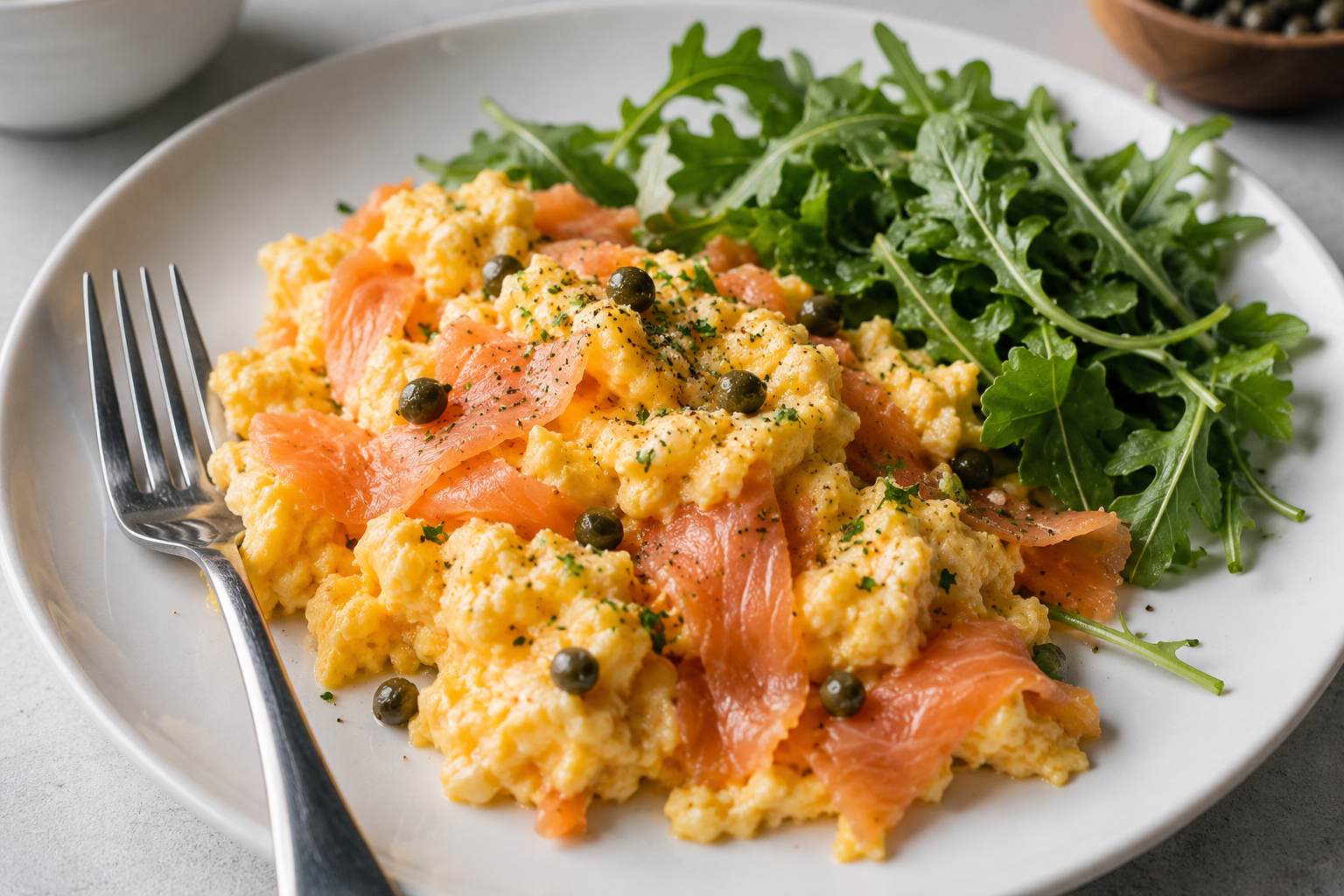
Smoked Salmon Scramble Whisk 3 eggs with a tablespoon of crème fraîche. Scramble gently over low heat until just set. Fold in 60g of smoked salmon, torn into pieces, off the heat. Plate with a handful of arugula, a sprinkle of capers, and cracked black pepper. The residual heat from the eggs is enough to warm the salmon without drying it out.
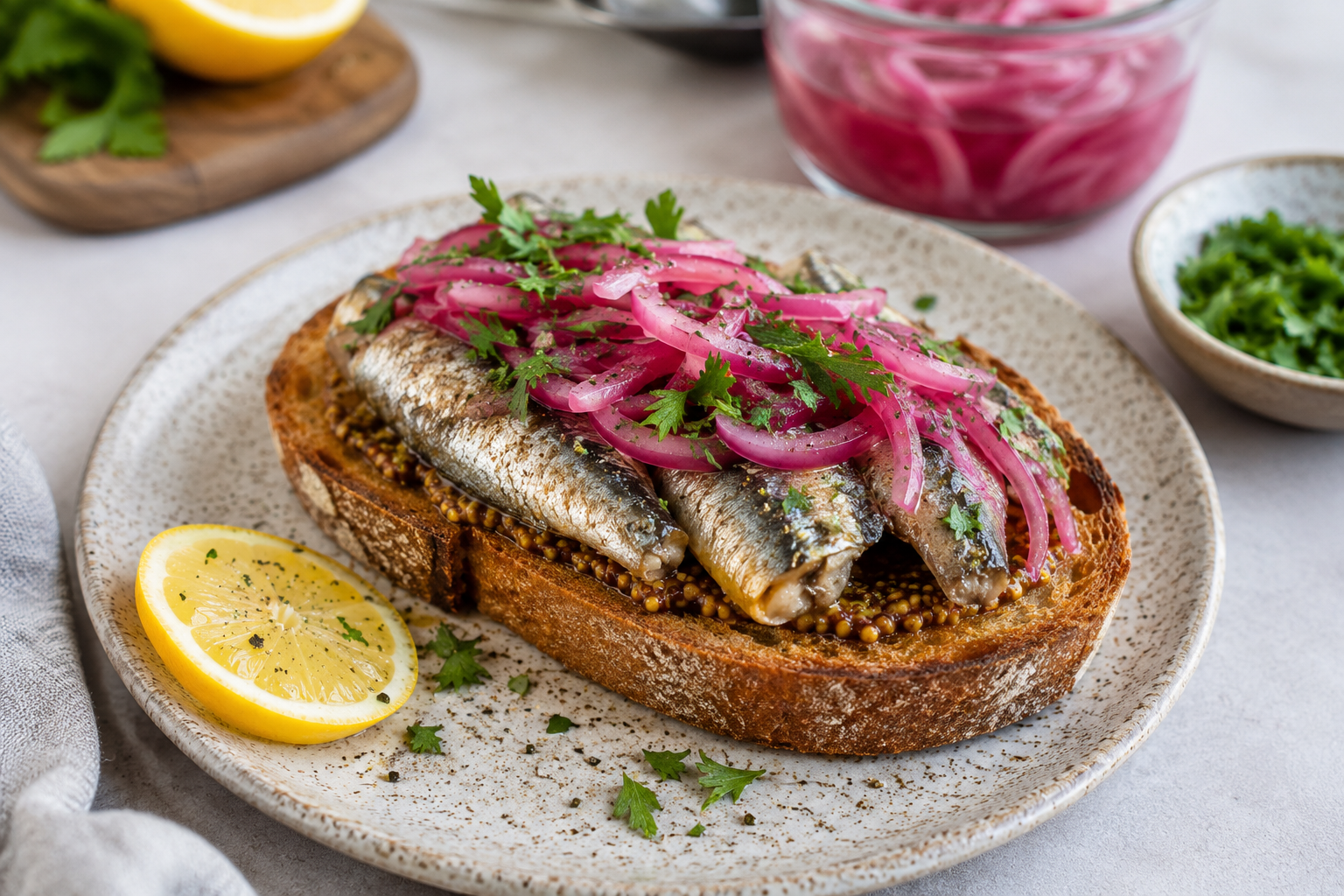
Sardine Toast with Pickled Red Onion Toast a thick slice of sourdough. While it’s toasting, quick-pickle thin red onion slices in a mix of red wine vinegar, a pinch of sugar, and salt for about 5 minutes. Spread a thin layer of whole-grain mustard on the toast, layer 2–3 sardines, add the onion, and finish with fresh parsley and a squeeze of lemon. This takes under 8 minutes and holds comfortably until lunch.
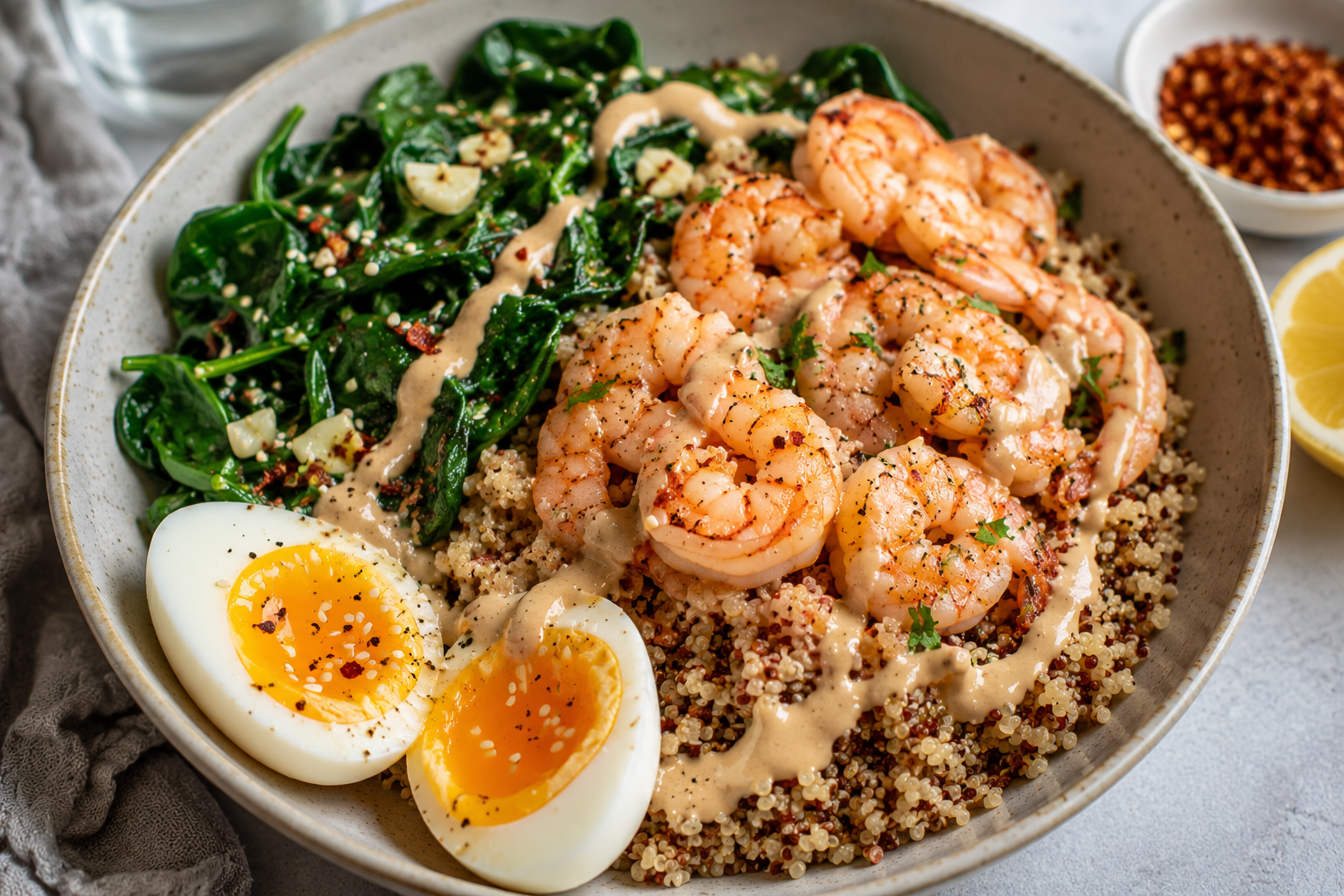
Shrimp and Greens Breakfast Bowl Sauté a cup of baby spinach in garlic and olive oil until wilted. Push to the side, add 80–100g of pre-cooked shrimp, and toss until heated through. Serve over cooked quinoa or farro, add a soft-boiled egg, drizzle with tahini thinned with lemon juice and water. Add sesame seeds and red pepper flakes to finish.
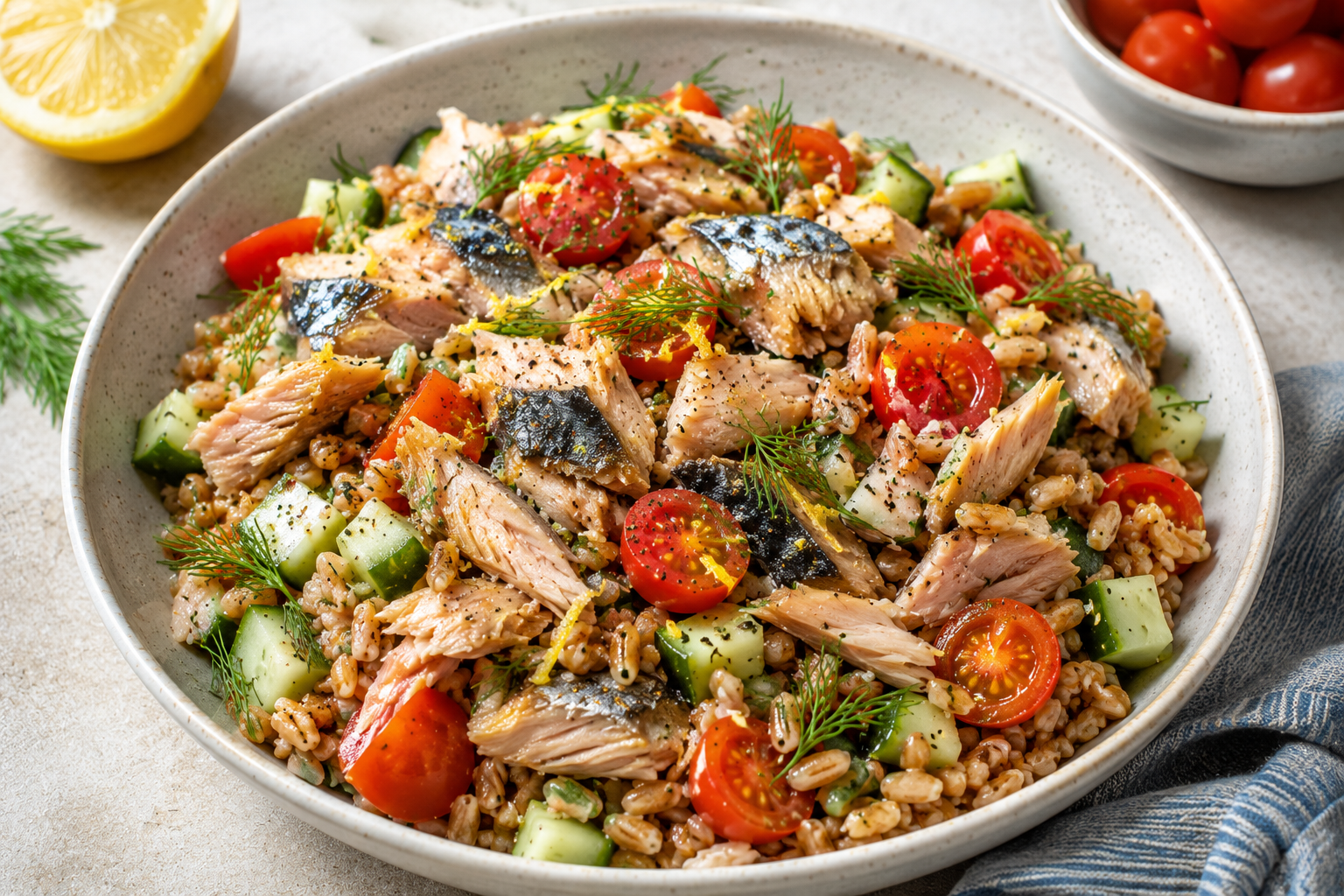
Smoked Mackerel Grain Bowl Combine cold cooked farro or brown rice with finely diced cucumber, halved cherry tomatoes, and fresh dill. Flake smoked mackerel over the top. Dress with lemon zest, olive oil, salt, and cracked pepper. This works cold, making it ideal for meal prep — make the grain base the night before and assemble in two minutes in the morning
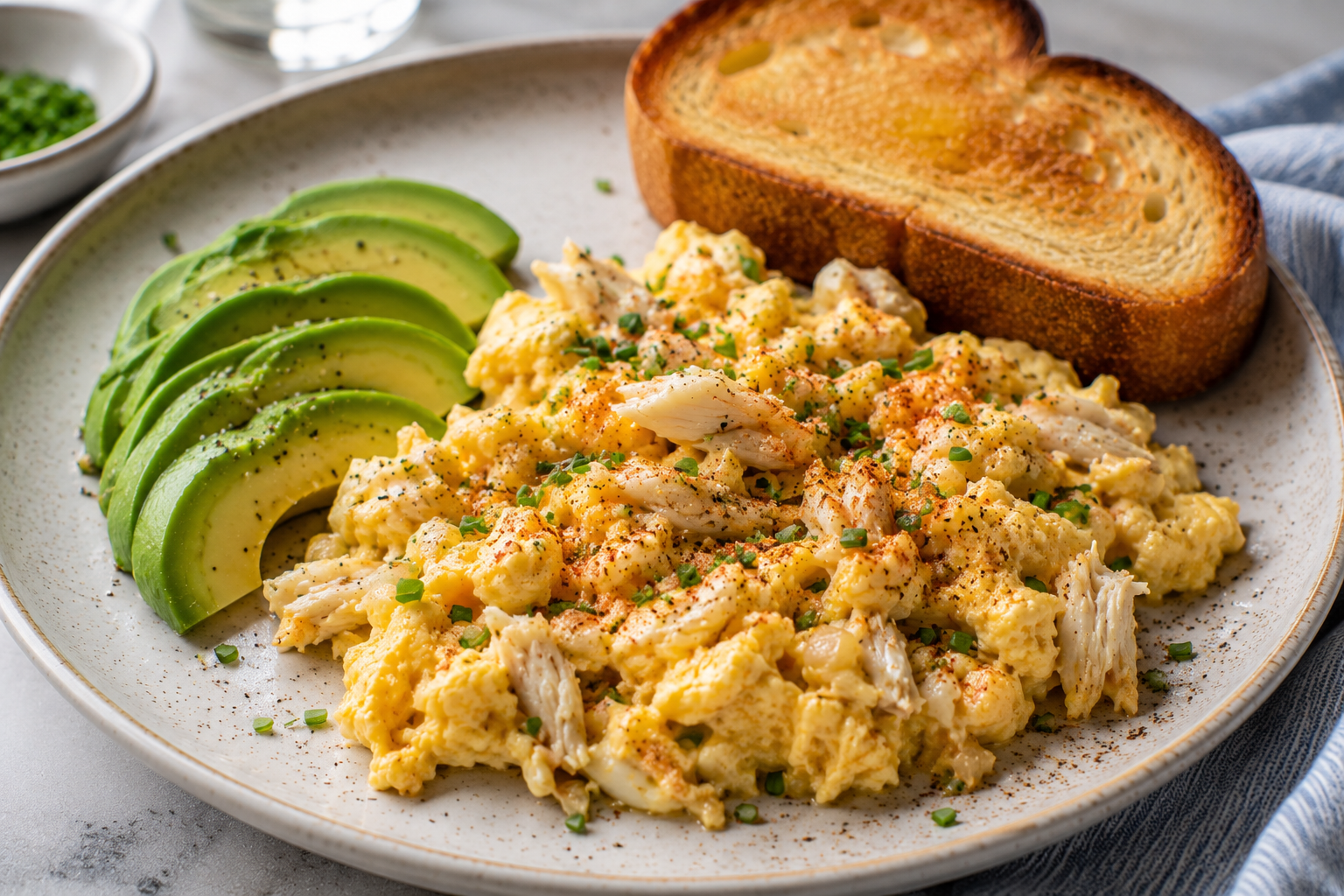
Crab and Egg Scramble Sauté finely diced shallots in butter until soft. Add 80g of fresh or canned crab meat (drained well), warm through, then pour in 3 beaten eggs seasoned with a touch of Old Bay or smoked paprika. Scramble low and slow. Serve with avocado and toasted brioche or rye bread.
Classic Seafood Breakfast Recipes Worth Knowing
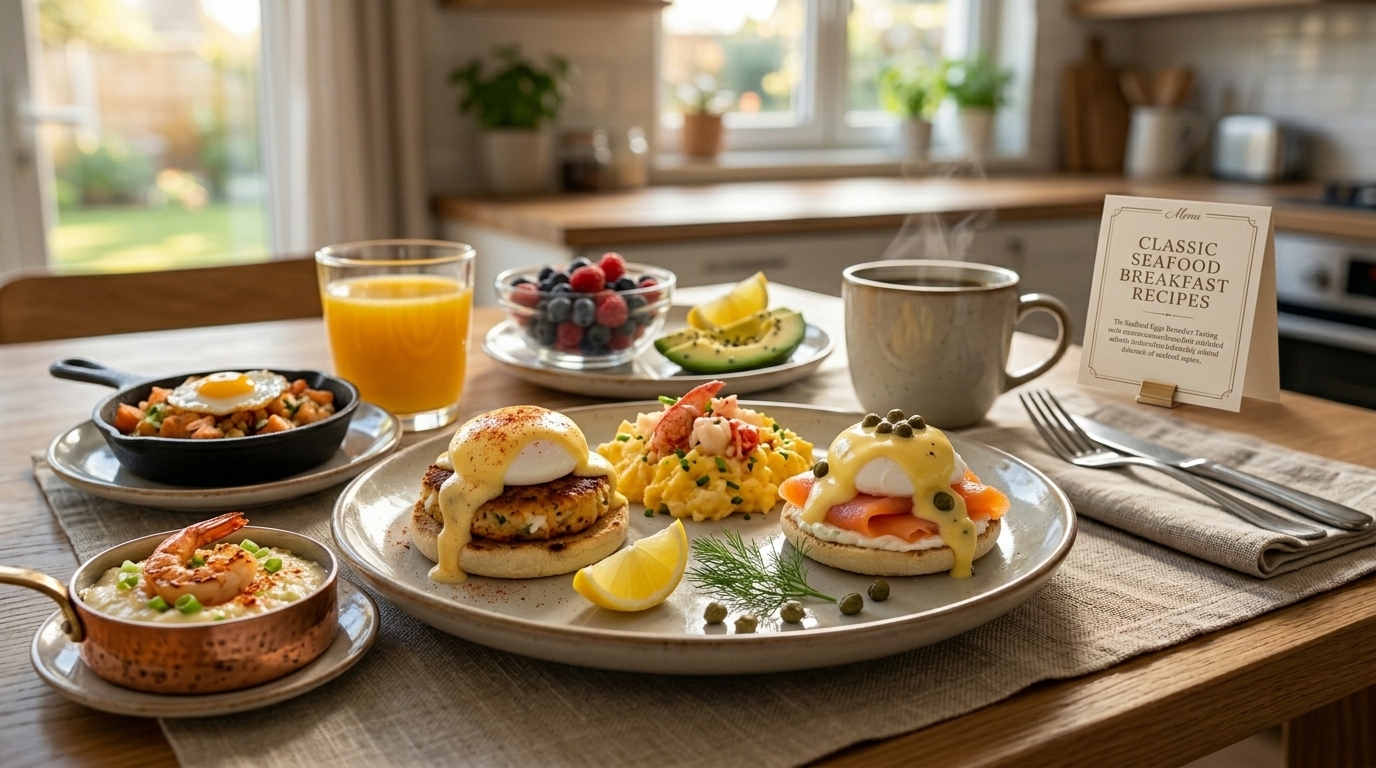
Shrimp and grits is one of the best-known seafood breakfasts in the American South. The dish works because creamy grits carry the flavor of shrimp, garlic, scallions, and spice. The lighter version uses less butter and more broth.
Crab cake Benedict is a brunch classic. It replaces Canadian bacon with crab cakes and usually uses poached eggs and hollandaise. The flavor is excellent, but it is not the lightest seafood breakfast because the crab cake may be fried and the sauce is butter-rich.
Smoked salmon bagel is simple and reliable. A good version uses a moderate amount of cream cheese, smoked salmon, capers, cucumber, onion, dill, and lemon. The mistake is using too much cream cheese and turning a balanced breakfast into a heavy one.
Seafood omelet works well with crab, shrimp, lobster, or smoked salmon. Keep the filling light. Too much cheese hides the seafood.
Salmon potato hash is one of the best uses for leftover salmon. Dice potatoes small, crisp them in a pan, add onion or peppers, then fold in salmon near the end. Top with an egg if you want more protein.
Lobster scrambled eggs are ideal for a special brunch. The lobster should be added near the end because it is already cooked and can become tough if heated too long.
Tuna huevos rancheros is a fusion-style option. Use tuna, eggs, salsa, beans, tortillas, lime, and cilantro. It is not traditional in every kitchen, but it works well because tuna can handle bold flavors.
Healthy Seafood Breakfast Options
The healthiest seafood breakfasts usually avoid three things: too much butter, too much refined bread, and too much creamy sauce.
Better options include:
Healthy Seafood Breakfast |
Why It Works |
| Smoked salmon with eggs and greens | High protein, low prep |
| Sardines on whole-grain toast | Omega-3s, calcium if bones included |
| Shrimp and vegetable omelet | Lean protein, filling |
| Salmon rice bowl | Balanced protein and carbs |
| Tuna cucumber toast | Light and quick |
| Crab scramble with spinach | Protein plus vegetables |
Use sauces that lift the seafood instead of burying it. Greek yogurt with dill and lemon works well. Salsa verde, hot sauce, chili crisp, mustard yogurt sauce, and avocado-lime dressing can also work.
Keep avocado moderate. It is nutritious, but it adds calories quickly. The same goes for cheese. A little feta, goat cheese, or Parmesan can help, but seafood should remain the main flavor.
A good rule: if the seafood is expensive or delicate, do not cover it with a thick sauce. Let it show.
Seafood Breakfast For Weight Loss, Muscle Gain, And Energy
For weight loss, choose lean seafood and keep the plate simple. Shrimp, crab, tuna, cod, and smoked salmon can work well when paired with eggs, vegetables, and controlled starch. Avoid heavy hollandaise, large bagels, fried seafood, and too much butter.
For muscle gain, increase total protein and add smart carbohydrates. A salmon rice bowl, shrimp omelet with potatoes, tuna wrap, or crab egg scramble with toast can work. The goal is not to remove carbs; it is to pair them with enough protein.
For stable morning energy, combine protein, fiber, and a small amount of healthy fat. Examples include sardines with whole-grain toast and tomato, smoked salmon with eggs and greens, or shrimp with rice and vegetables.
For low-carb eating, seafood is easy to use. Try crab omelets, smoked salmon eggs, shrimp scramble, or sardines with cucumber and avocado.
For people who train in the morning, seafood may feel lighter than red meat or sausage. It can give protein without the same heaviness, especially when cooked simply.
Canned And Leftover Seafood Breakfasts
Canned seafood is one of the most useful breakfast shortcuts. It is also underused.
Canned tuna works in wraps, toast, rice bowls, and egg scrambles. Canned salmon works in patties, hash, and breakfast bowls. Sardines work best with toast, lemon, tomatoes, and herbs. Canned mackerel can be used in rice bowls or potato hash.
Leftover seafood can also be excellent, but texture matters. Shrimp should be reheated gently or added at the end. Salmon is easier because it flakes into hash, rice, or eggs. Crab should be warmed lightly. Scallops and lobster become tough if reheated aggressively.
Food safety is important. Refrigerate cooked seafood quickly, keep it cold, and do not leave it at room temperature for long periods. When reheating seafood, heat it gently but thoroughly enough for safety.
One practical trick: transform leftovers instead of simply reheating them. Salmon becomes hash. Shrimp becomes tacos. Crab becomes eggs. Seafood boil leftovers become fried rice. The new format hides minor texture changes and often tastes better than reheated seafood on its own.
Seafood Breakfast Safety: What To Cook, Store, And Avoid
Seafood breakfast should be handled carefully because fish and shellfish are perishable.
Raw seafood should be cooked properly. Fish should become opaque and flake easily. Shrimp should turn pink and firm. Scallops should be opaque and just firm. Clams and mussels should open when cooked; discard any that stay closed.
Cold smoked seafood should stay refrigerated until serving. It is convenient, but it is still a ready-to-eat refrigerated food.
Pregnant people should be more careful with seafood choices. The FDA and EPA advise pregnant or breastfeeding people to eat 8–12 ounces per week of a variety of seafood from lower-mercury choices. Fully cooked seafood is the safer direction during pregnancy; high-mercury fish should be avoided or limited according to current guidance.
Avoid questionable raw seafood at breakfast unless it comes from a reputable source and has been handled for raw consumption. Most home kitchens are better suited to cooked seafood breakfasts.
Also watch cross-contamination. Use separate cutting boards for raw seafood, wash hands, and do not place cooked eggs, toast, or salad on surfaces touched by raw fish.
What Seafood Does Not Work Well For Breakfast?
Not every seafood works well in the morning.
Strong-smelling leftover fish can be difficult unless balanced with lemon, herbs, rice, or potatoes. Very oily fish may feel too heavy for some people early in the day. Shell-on crab legs are delicious, but they are not practical for a quick weekday breakfast.
Overly sauced seafood boil leftovers can also be difficult. Butter-heavy, spicy, salty seafood can overpower eggs or toast. It usually works better in fried rice, pasta, tacos, or hash.
Raw seafood is not ideal for most home breakfasts. Sushi-style breakfasts exist in some cultures, but for ordinary home cooking, cooked fish and shellfish are safer and easier.
Fried fish can be good, but it depends on the plate. Fried fish with greasy potatoes and heavy sauce is not the same as grilled salmon with eggs and greens.
Breakfast seafood should be easy to eat, quick to prepare, and balanced. If it feels like dinner leftovers forced onto a morning plate, change the format.
How To Meal Prep Seafood Breakfast Without Losing Texture
Seafood does not always meal prep like chicken or beef. It can dry out or become rubbery if reheated too long.
The safest method is to prep the base separately. Cook rice, potatoes, eggs, vegetables, or toast fresh. Add seafood at the end.
For shrimp, cook it slightly underdone if you know you will reheat it. For salmon, flake it cold into bowls or warm it gently. For smoked salmon, do not cook it unless the recipe specifically needs that stronger flavor. For canned seafood, drain it well and add it close to serving.
Keep sauces separate. A lemon-yogurt sauce, herb dressing, or chili oil can be added after reheating so the seafood does not sit in liquid overnight.
Meal prep works best with salmon hash, tuna wraps, sardine toast kits, shrimp rice bowls, and crab egg muffins.
Seafood Breakfast Around The World
Seafood breakfast is not a new trend. It appears in many traditional food cultures.
In Japan, grilled salmon with rice, miso soup, and pickles is a common-style breakfast. In Scandinavia, smoked or cured fish with rye bread, eggs, and dill is familiar. In the American South, shrimp and grits is a breakfast and brunch staple.
Mediterranean breakfasts often use sardines, anchovies, eggs, tomatoes, olives, and bread. Caribbean saltfish breakfasts use salted cod with peppers, onions, herbs, and starchy sides. British kippers are smoked herring often served in the morning.
This matters because seafood for breakfast is only unusual in some modern routines. Historically, coastal communities ate what was available, and seafood was often one of the most practical morning proteins.
Quick Reference Table: Best Seafood Breakfast By Goal
Goal |
Best Seafood |
Best Breakfast Format |
What To Avoid |
| Quick breakfast | Smoked salmon, tuna | Toast, wrap, rice bowl | Complicated sauces |
| High protein | Shrimp, crab, salmon | Eggs, omelet, hash | Too much bread |
| Weight loss | Shrimp, tuna, crab | Eggs and vegetables | Heavy butter |
| Brunch | Crab, lobster, salmon | Benedict, scramble, bagel | Oversized portions |
| Low carb | Salmon, shrimp, crab | Eggs, greens, avocado | Potatoes and bagels |
| Budget-friendly | Sardines, tuna, canned salmon | Toast, patties, hash | Premium shellfish |
| Meal prep | Salmon, tuna, sardines | Bowls, wraps, hash | Overheated shrimp |
Frequently Asked Questions
Is Seafood Good For Breakfast?
Yes. Seafood can be a strong breakfast choice because it provides protein, flavor, and important nutrients. It works best when cooked simply and paired with eggs, toast, rice, potatoes, or vegetables.
What Seafood Is Best For Breakfast?
Smoked salmon, shrimp, crab, salmon, tuna, sardines, and canned salmon are among the best options. They are easy to use and work with common breakfast ingredients.
Is Shrimp Good For Breakfast?
Yes. Shrimp cooks quickly and pairs well with eggs, grits, rice, potatoes, tortillas, and vegetables. The key is not to overcook it.
Can I Eat Salmon For Breakfast?
Yes. Salmon is excellent for breakfast. You can use smoked salmon, fresh cooked salmon, or leftover salmon in toast, eggs, hash, frittatas, or rice bowls.
Is Seafood Breakfast Healthy?
It can be healthy. Seafood is usually high in protein and may provide omega-3 fats, B12, selenium, iodine, and vitamin D. The meal becomes less healthy when it includes too much butter, fried seafood, processed meat, or heavy sauces.
What Is A High-Protein Seafood Breakfast?
A high-protein seafood breakfast could be shrimp scrambled eggs, salmon with eggs, crab omelet, tuna wrap, or sardines on whole-grain toast with an egg.
Can I Eat Canned Tuna For Breakfast?
Yes. Canned tuna can be used in toast, wraps, rice bowls, egg scrambles, or breakfast salads. Choose lower-sodium options when possible.
Is Smoked Salmon Safe For Breakfast?
Smoked salmon is commonly eaten for breakfast, but it should be kept refrigerated and eaten by the use-by date. Pregnant people and high-risk individuals should follow medical or food safety guidance because refrigerated ready-to-eat seafood can carry higher risk if mishandled.
What Seafood Breakfast Is Good For Weight Loss?
Shrimp eggs, tuna cucumber toast, smoked salmon with greens, crab omelet, and salmon vegetable hash can work well. Keep butter, cheese, bread, and sauces moderate.
Can Pregnant Women Eat Seafood For Breakfast?
Yes, but they should choose lower-mercury seafood and eat it fully cooked. FDA and EPA guidance recommends 8–12 ounces per week of lower-mercury seafood for pregnant or breastfeeding people.
What Goes Well With Seafood And Eggs?
Good pairings include dill, chives, spinach, potatoes, lemon, capers, tomatoes, scallions, avocado, hot sauce, and light yogurt-based sauces.
How Do I Use Leftover Seafood For Breakfast?
Use leftover salmon in hash or rice bowls, shrimp in tacos or eggs, crab in omelets, and seafood boil leftovers in fried rice. Add seafood near the end so it warms without becoming tough.
Conclusion
Seafood breakfast is practical, nutritious, and more flexible than most people think. It can be as simple as sardines on toast, smoked salmon with eggs, shrimp scrambled eggs, canned salmon hash, or a leftover salmon rice bowl.
The healthiest version depends on preparation. Keep the seafood fresh, avoid overcooking it, use sauces lightly, and pair it with eggs, vegetables, whole grains, potatoes, rice, or toast in balanced portions. Seafood does not need to replace every breakfast food, but it deserves a regular place in the rotation.