Introduction
Many people search for how to make hard cider recipe when they really want to understand what hard cider is, how it differs from regular apple cider, and what affects its taste, strength, and style. Hard cider is an alcoholic apple-based drink made through fermentation, and it can range from dry and crisp to sweet and fruit-forward. The American Cider Association describes cider as a broad category with multiple recognized styles rather than one single flavor profile.
For a food and drinks website, the most useful approach is often not a step-by-step making guide, but a clear explanation of how hard cider works as a beverage. That helps readers choose better, understand labels, and drink more responsibly. This article covers the basics in plain English: what hard cider is, how it is generally produced at a high level, what shapes its flavor, how to read a bottle or can, and what to keep in mind about alcohol content.
What Is Hard Cider?
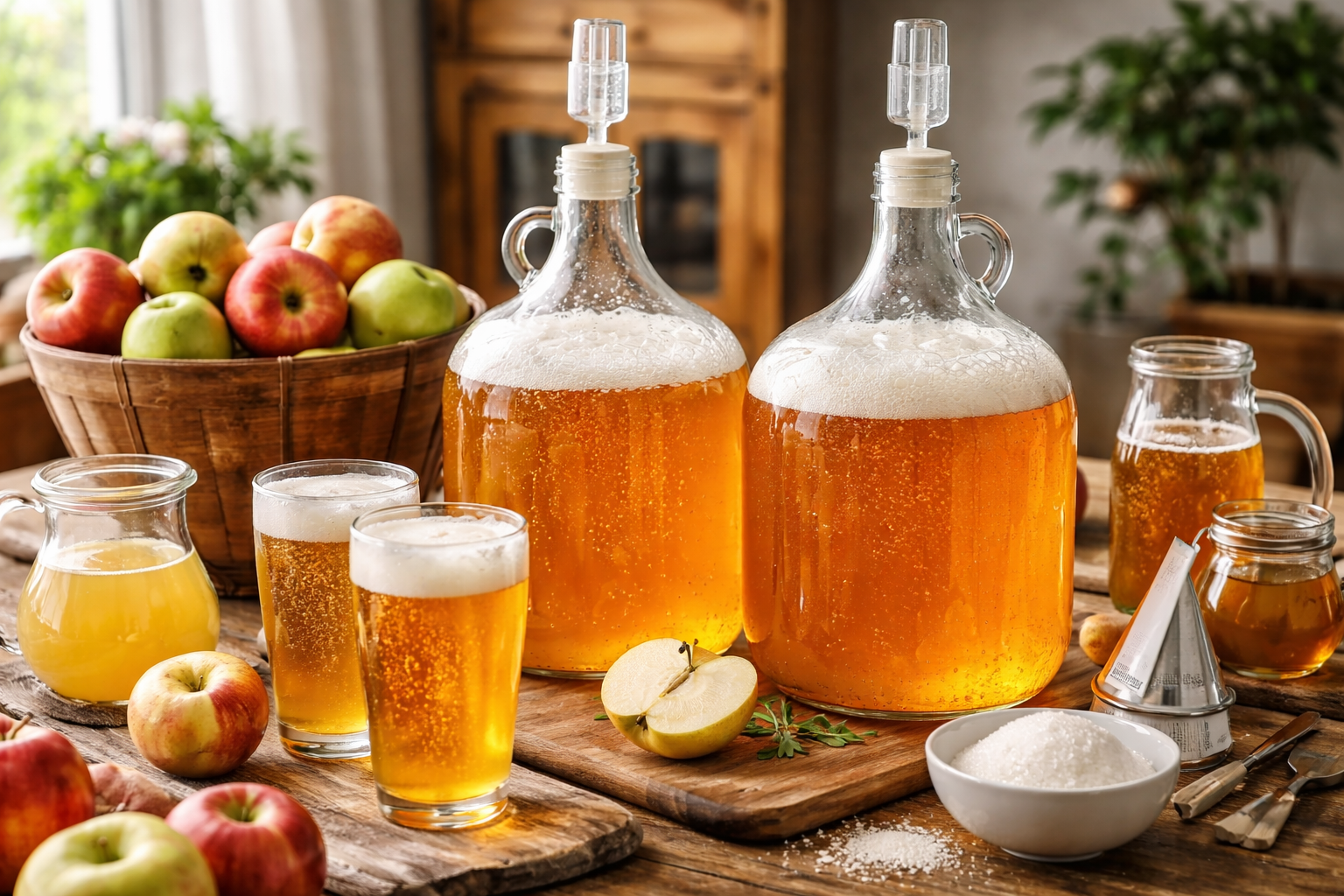
Hard cider is an alcoholic drink made from fermented apple juice. It is different from sweet apple cider and different from plain apple juice because fermentation changes both the flavor and the alcohol content. Depending on the producer and style, hard cider may be still or sparkling, dry or sweet, simple or more layered in flavor. The American Cider Association’s style resources emphasize that cider can vary widely in acidity, tannin, sweetness, carbonation, and apple character.
This is one reason the category can confuse new readers. A bottle labeled cider might taste crisp and sharp, while another might taste soft, fruity, and slightly sweet. Both can be correct examples of cider, just from different style traditions.
Why This Keyword Can Be Confusing
The phrase how to make hard cider recipe sounds like a kitchen recipe search, but hard cider is not a standard stovetop recipe. It is an alcoholic beverage associated with fermentation and production methods, which is why so many search results focus on brewing-style topics such as juice, yeast, sanitation, conditioning, and bottling.
For everyday readers, though, the real need is often simpler. They want to know:
- what hard cider actually is
- whether it is sweet or dry
- how strong it is
- how it compares with other drinks
- how to choose one they will enjoy
That makes an educational guide more useful than a technical production article for many audiences.
How Hard Cider Is Generally Made
At a broad level, hard cider begins with apples or apple juice, then goes through fermentation, followed by conditioning and packaging. The exact details vary by producer, but those are the core stages that repeatedly show up in cider resources and production discussions.
Apple choice matters because different apples bring different levels of sweetness, acidity, and tannin. Fermentation then changes the juice into an alcoholic beverage. After that, producers may condition the cider, keep it still, or package it as sparkling. Some also make fruit-forward or botanical versions by adding other flavor elements. The American Cider Association’s style materials show how broad this category has become, from modern and heritage ciders to fruit and botanical styles.
What Affects the Taste of Hard Cider?
Several things shape the final flavor.
Apple varieties
Some apples create a brighter, sharper profile, while others bring more softness or depth. Even when labels do not list the exact apples, the choice of fruit still has a major effect on the final taste.
Sweetness level
A cider may be labeled dry, semi-dry, or sweet. Dry cider is usually cleaner and less sugary on the palate. Sweet cider tastes softer and more fruit-forward. The American Cider Association even offers a dry cider resource to help consumers identify ciders with little or no residual sugar.
Acidity and tannin
These are two of the main reasons cider can feel refreshing rather than flat. Acidity gives brightness. Tannins can add grip or structure, especially in more traditional or heritage-style ciders.
Carbonation
Still cider and sparkling cider can taste quite different, even when based on similar apples. Carbonation can make a cider feel lighter, sharper, and more food-friendly.
Added flavors
Some ciders include berries, spices, hops, or botanicals. These can shift the drink toward a dessert-style profile or make it feel more layered and seasonal.
Common Hard Cider Styles
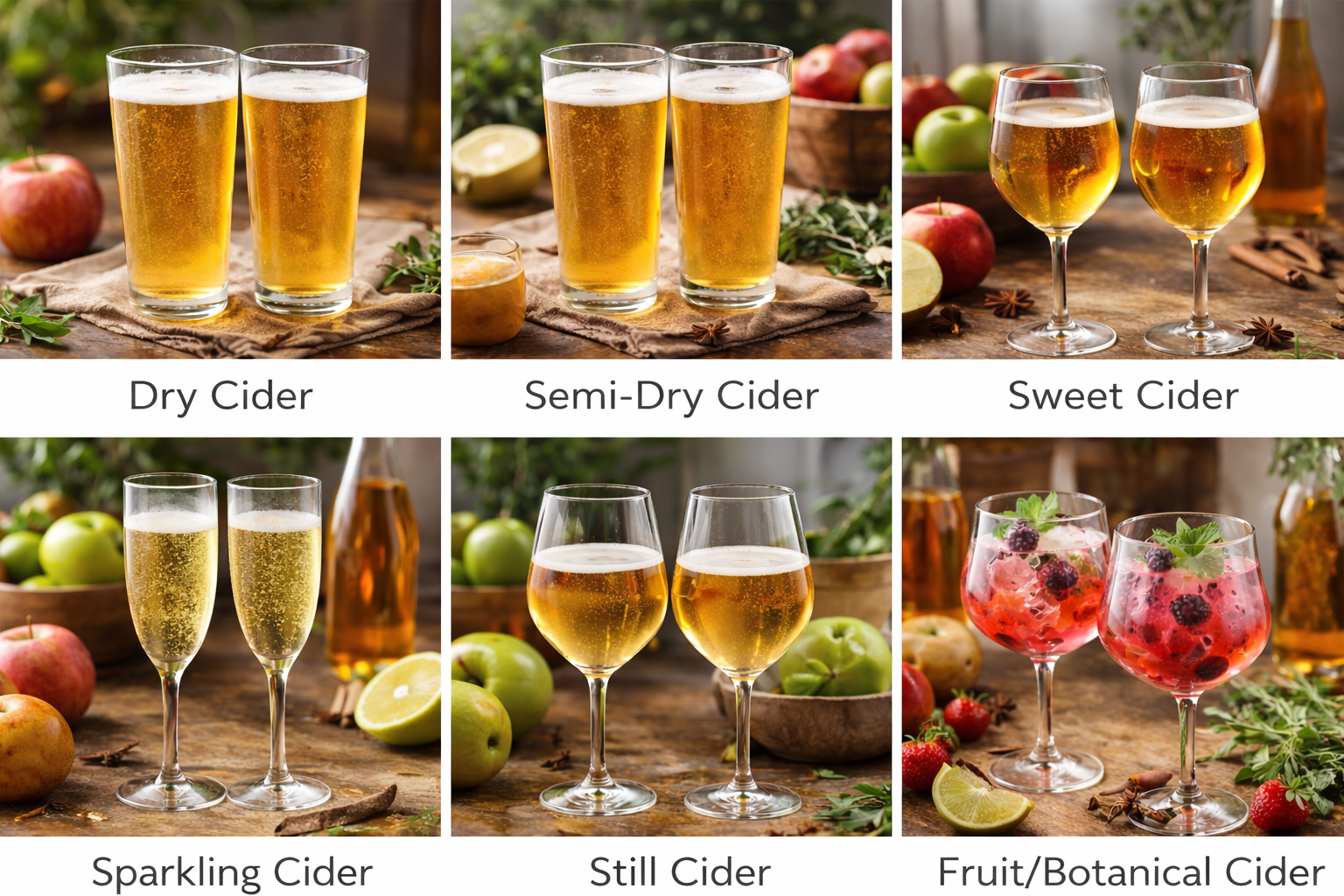
A simple way to understand cider is through its main styles.
Dry cider
Usually crisp, clean, and less sweet. Good for readers who prefer a sharper finish.
Semi-dry cider
A middle ground. It has some softness but still feels balanced.
Sweet cider
Often fruitier and easier for beginners who do not enjoy very dry drinks.
Sparkling cider
Carbonated and lively. Often feels more refreshing.
Still cider
No bubbles, often softer and closer to a wine-like experience.
Fruit or botanical cider
Made with other fruits, herbs, spices, or floral notes in addition to apples. The American Cider Association’s style language reflects how common these specialty categories have become.
Alcohol Content: What Readers Should Know
One of the most important practical points is alcohol strength. In the United States, a standard drink contains 0.6 fluid ounces or 14 grams of pure alcohol, according to both the CDC and NIAAA. They also note that drink size and alcohol by volume both affect how much alcohol a person is actually consuming.
That matters because a cider may look light and easy to drink, yet still contain meaningful alcohol depending on the serving size and ABV. The CDC says moderate drinking means up to one drink per day for women and up to two drinks per day for men, and it also notes that underage drinking and drinking during pregnancy are not recommended.
So even for casual readers, label reading matters. A can or bottle may contain more than one standard drink.
Sweet vs. Dry: Which One Should You Choose?
A lot of readers assume cider is always sweet because it is made from apples. That is not always true.
Dry cider often appeals to people who like crisp beverages and a cleaner finish. Sweeter cider may suit people who are new to cider or who prefer a softer fruit taste. Semi-dry styles can be a good entry point because they usually balance apple flavor with freshness. The American Cider Association’s style guidance supports this idea that sweetness is only one part of cider identity, not the whole story.
A simple buying tip is this: do not assume “apple flavor” means sugary. Check the style description first.
How to Read a Hard Cider Label
Readers often get more value from learning how to shop than from reading long theory sections. A few label details can tell you a lot.
Look for:
- ABV so you understand strength
- sweetness clues such as dry, semi-dry, or sweet
- still or sparkling
- fruit, spice, or botanical additions
- serving size, because that affects how much alcohol you are actually drinking
The CDC and NIAAA both stress that standard drink awareness depends on both amount and alcohol concentration, which is why these label details are not minor.
Food Pairing Ideas
Hard cider can work well with food because acidity and carbonation often help cut through richness.
Some easy pairings include:
- cheese boards
- roast chicken or pork
- fried foods
- sharp salads
- apple desserts
- mildly spicy dishes
Dry, sparkling ciders often work well with savory foods because they feel refreshing. Slightly sweeter ciders can pair nicely with spiced dishes or simple desserts. This is one of the reasons cider remains approachable for both casual drinkers and food-focused readers.
Is Hard Cider Gluten-Free?
Many readers ask this because they want an alternative to beer. In general, cider is made from fermented apples rather than barley or wheat, but readers with dietary restrictions should still check labels carefully for added ingredients or possible cross-contact statements. For a consumer article, the safest advice is to read the package rather than assume.
Storage and Serving Tips
Hard cider is usually best served chilled, though very cold temperatures can mute some flavor. Sparkling styles often feel freshest when well chilled, while more complex or still ciders may show more character if they are not ice-cold.
Once opened, cider changes fairly quickly, especially if it is sparkling. Carbonation drops and flavor can flatten. For best results, store unopened cans or bottles as directed on the label and enjoy opened cider promptly.
Common Misunderstandings About Hard Cider
A few myths appear again and again.
“All cider is sweet.”
Not true. Many ciders are dry or semi-dry.
“All cider tastes the same.”
Also false. Apple choice, style, sweetness, carbonation, and added flavors can all change the experience.
“Apple cider and hard cider are the same thing.”
They are not. Sweet cider is non-alcoholic; hard cider is alcoholic.
“Cider is always low in alcohol.”
Not necessarily. ABV varies, which is why the CDC and NIAAA emphasize label awareness and standard drink understanding.
Is Hard Cider Worth Trying?
For readers who enjoy crisp, fruit-based drinks, hard cider can be an interesting option. It may also appeal to wine drinkers who want something lighter in feel, or to beer drinkers who want a change in flavor profile.
At the same time, it may not suit everyone. People avoiding alcohol, watching sugar intake, pregnant individuals, and underage readers should skip it. The CDC specifically advises against drinking during pregnancy and under age 21, and it encourages awareness of excessive drinking risks more broadly.
Conclusion
If someone searches how to make hard cider recipe, the most useful answer is often not a technical recipe at all. It is a clear understanding of what hard cider is, how it is generally made at a high level, and how to choose it responsibly.
Hard cider is a fermented apple-based alcoholic beverage with a wide range of styles. It can be dry or sweet, still or sparkling, simple or layered. The best way to approach it as a reader or buyer is to focus on style, sweetness, ABV, and serving size. Once you understand those basics, cider becomes much easier to navigate.