Introduction
If you’ve ever ordered garlic shrimp scampi at Red Lobster, you know how memorable it is—rich, buttery, full of garlic, and perfectly balanced with a hint of lemon. Many people search for this dish because they want to recreate that same restaurant-style flavor at home without overcomplicating the process.
This guide explains everything in a clear, practical way—from understanding the dish to cooking it properly, avoiding common mistakes, and making it fit your dietary needs. The goal is simple: help you make a reliable, flavorful shrimp scampi that actually tastes right.
What Is Garlic Shrimp Scampi from Red Lobster?
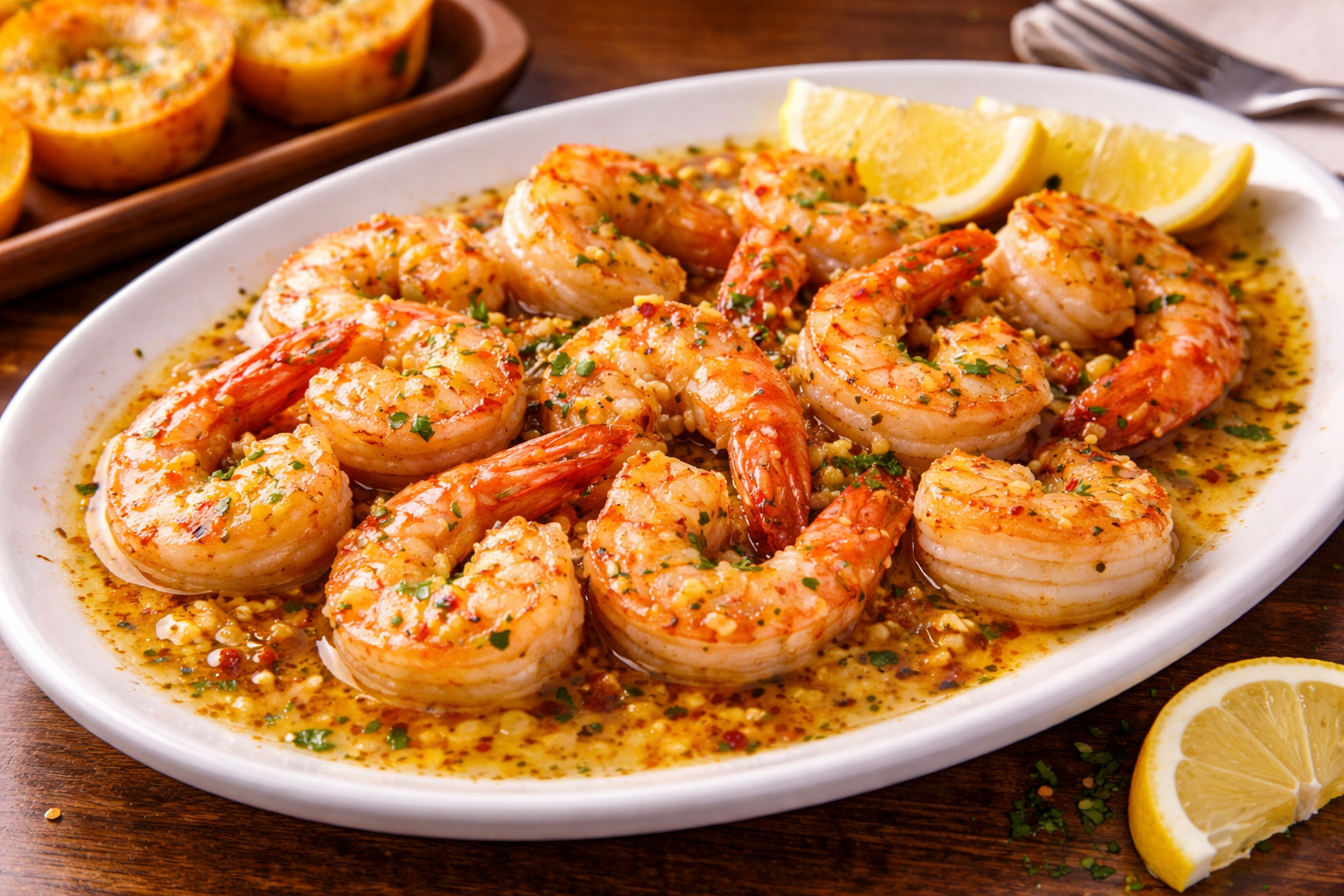
Garlic shrimp scampi is a seafood dish made with shrimp cooked in a sauce of butter, garlic, lemon juice, and sometimes white wine. At Red Lobster, the dish is known for:
- A smooth, buttery sauce that coats the shrimp evenly
- A strong but balanced garlic flavor
- Tender shrimp, not overcooked or rubbery
- A light citrus finish that keeps it from feeling too heavy
While traditional Italian scampi often uses langoustines, American versions (like Red Lobster’s) use shrimp and lean more into butter-based sauces.
Ingredients That Make a Difference
A good result depends more on ingredient quality than complexity.
Core Ingredients
- Shrimp: Large or jumbo shrimp work best (peeled and deveined)
- Garlic: Fresh garlic gives the most natural flavor
- Butter: Unsalted butter helps control salt levels
- Olive oil: Prevents butter from burning
- Lemon juice: Adds brightness
- White wine (optional): Adds depth, but can be skipped
- Parsley: For freshness
- Salt and pepper
Practical Tips
- Frozen shrimp are fine—just thaw them properly in cold water
- Avoid pre-cooked shrimp; they overcook easily when reheated
- Use real butter instead of margarine for better texture and taste
Step-by-Step Cooking Method
Prepare the Shrimp
Pat shrimp dry with a paper towel. This helps them cook evenly and prevents excess water in the pan.
Heat the Base
Warm a mix of olive oil and butter over medium heat. This combination keeps the butter from burning.
Cook the Garlic
Add minced garlic and cook briefly (about 30 seconds). It should smell fragrant but not turn brown.
Add the Shrimp
Place shrimp in a single layer. Cook for about 1–2 minutes per side until they turn pink and opaque.
Build the Sauce
Add lemon juice and, if using, a small amount of white wine. Let it simmer briefly.
Finish and Serve
Stir in a bit more butter and sprinkle parsley. Serve immediately while hot.
Expert Tips for Better Results
These small details can improve the final dish significantly:
- Do not overcook shrimp: They continue cooking slightly after being removed from heat
- Add garlic at the right time: Too early, and it burns; too late, and it lacks flavor
- Balance the sauce: If it tastes too rich, add a few drops of lemon
- Use medium heat: High heat can separate the butter
Professional kitchens focus on timing and balance rather than adding more ingredients.
Common Mistakes to Avoid
Many home cooks run into the same issues:
- Rubbery shrimp from overcooking
- Burnt garlic, which creates bitterness
- Watery sauce from not drying shrimp properly
- Too much lemon, overpowering the dish
- Crowded pan, which causes steaming instead of sautéing
Fixing these mistakes often matters more than changing the recipe.
Simple Variations You Can Try
Once you understand the base recipe, you can adjust it to your preference:
- With pasta: Toss with linguine for a complete meal
- Spicy version: Add red pepper flakes
- Creamy version: Stir in a small amount of cream
- Low-fat option: Reduce butter and increase olive oil
- No-alcohol version: Replace wine with broth or skip it entirely
Keep the changes minimal to preserve the original flavor.
What to Serve with Garlic Shrimp Scampi
This dish pairs well with simple sides:
- Garlic bread or biscuits for soaking up the sauce
- Steamed vegetables like broccoli or green beans
- Rice or pasta for a more filling meal
For drinks, light options like water with lemon or mild white beverages work well.
Nutrition and Health Considerations
Shrimp is naturally high in protein and low in calories, but the sauce adds richness.
General points:
- Butter increases saturated fat
- Shrimp provides protein and key nutrients like selenium
- Portion size matters for balance
Healthier Adjustments
- Use less butter and more olive oil
- Control salt levels
- Pair with vegetables instead of heavy sides
These changes help make the dish more balanced without losing its character.
Storage and Reheating Tips
Storing
- Keep leftovers in an airtight container
- Refrigerate within 2 hours
- Use within 2–3 days
Reheating
- Reheat gently on the stove over low heat
- Add a small splash of water or broth
- Avoid microwaving too long—it can make shrimp tough
Freezing
Shrimp scampi is not ideal for freezing because the texture of shrimp can change.
Frequently Asked Questions
Is Red Lobster shrimp scampi made with wine?
Some versions include white wine, but it can be replaced or omitted.
What size shrimp should I use?
Large or jumbo shrimp provide the best texture and presentation.
Can I use frozen shrimp?
Yes, as long as they are fully thawed and dried before cooking.
How do I fix a greasy sauce?
Add a small amount of lemon juice or a splash of water to rebalance it.
Conclusion
Making garlic shrimp scampi like Red Lobster at home is very achievable once you understand a few key principles: use good ingredients, control the heat, and avoid overcooking the shrimp. The recipe itself is simple, but the results depend on careful timing and balance.
With a bit of practice, you can create a version that matches—or even improves on—the restaurant experience, while adjusting it to your own taste and dietary needs.