
Introduction
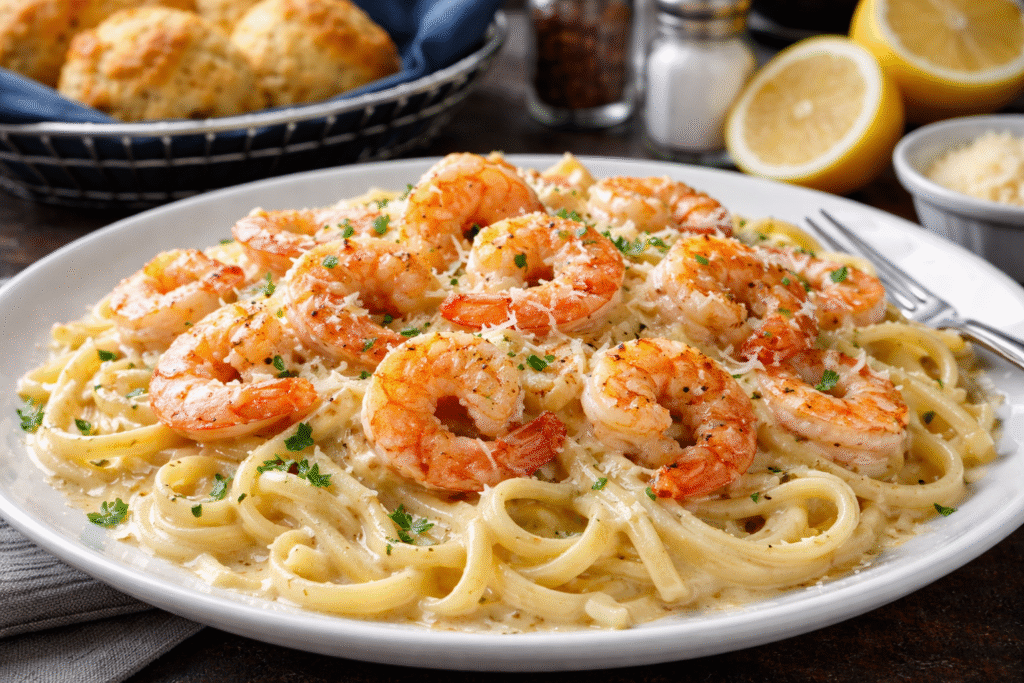
If you are searching for Shrimp linguini alfredo Red Lobster, you are likely trying to figure out three things: what the dish is really like, whether it is still on the menu, and if you can make a similar version at home. Red Lobster currently lists it on its pasta menu as shrimp served in a house-made creamy garlic Alfredo sauce on a bed of linguini, so the dish is very much positioned as a rich, comfort-style pasta rather than a light seafood entrée.
This article breaks it down in plain English. You will learn what makes the dish popular, how it tastes, what affects its texture, what to know about calories and value, and how to make a copycat-style version without overcomplicating it.
What Is Shrimp Linguini Alfredo at Red Lobster?
At its core, this dish is exactly what the name suggests: linguini pasta, shrimp, and Alfredo sauce. What matters is the style. Red Lobster’s current menu description highlights a creamy garlic Alfredo sauce, which tells you a lot about the expected flavor. It is meant to be smooth, rich, and mild, with garlic supporting the sauce instead of overpowering it.
This also helps explain why the dish stays popular. It fits a familiar comfort-food pattern:
- tender pasta
- creamy sauce
- mild shrimp flavor
- filling portion
People who enjoy classic Alfredo dishes usually understand what they are getting here. It is not designed to be bold or spicy. It is designed to be satisfying.
Is Shrimp Linguini Alfredo Still Available at Red Lobster?
Yes. Red Lobster currently lists Shrimp Linguini Alfredo on its live pasta menu, and the dish also shows up in family meal options and some specials, depending on location. Red Lobster notes that availability and recipes can vary because of supply disruptions, so checking the local menu before ordering is still a smart step.
That matters because many older restaurant review articles stay online long after a menu item changes. In this case, the current official pages support that the dish is still active, which adds trust and keeps the article grounded in what readers can actually order now.
What Makes Red Lobster’s Version Different?
A lot of shrimp Alfredo dishes sound similar on paper, but restaurant versions often feel different in the bowl. Red Lobster’s version stands out for a few reasons.
First, it leans into a richer sauce style. Their own menu language emphasizes a house-made creamy garlic Alfredo, and the copycat recipes ranking around this keyword consistently build their versions around butter, cream, garlic, Parmesan, and gently cooked shrimp.
Second, the seasoning is broad and approachable. This is important because chain restaurants often aim for consistency and wide appeal. That usually means:
- no heavy spice
- no sharp acidity
- no strong herb profile
- a smoother, more predictable finish
In simple terms, this dish is built for people who want creamy seafood pasta that feels familiar.
Taste and Texture: What to Expect Before You Order
The taste is best described as creamy, buttery, mildly garlicky, and soft in texture. The sauce is the main event. The shrimp add protein and a light seafood note, but the overall dish is still very much about Alfredo.
When prepared well, the texture should feel like this:
- linguini that is tender, not mushy
- shrimp that are soft and juicy, not rubbery
- sauce that coats the pasta evenly without feeling gluey
This matters because shrimp Alfredo can go wrong fast. The most common problems are overcooked shrimp and sauce that gets too thick. That is true in home kitchens and in restaurant-style copycat recipes as well, which is why many well-ranked recipe posts emphasize timing and sauce control.
Who Will Probably Enjoy This Dish Most?
This dish is a good fit for:
- people who like creamy pasta
- diners who want mild seafood flavor
- anyone looking for a filling comfort meal
- readers trying to recreate a Red Lobster-style dinner at home
It may be less ideal for:
- people who prefer lighter seafood dishes
- diners looking for spicy pasta
- anyone who usually avoids rich cream sauces
That is not a negative review. It is simply the most honest way to frame the dish. A helpful article should tell readers who a menu item is actually for, not just praise it in vague terms.
Price and Value: Is It Worth Ordering?
Red Lobster’s official pages do not show a universal national price, which is normal because restaurant pricing varies by market. Still, the dish appears in current menu listings and some specials, including shrimp-focused offers at participating locations.
From a value standpoint, the dish makes sense when:
- you want one filling entrée
- you prefer pasta over lighter grilled seafood
- you enjoy creamy dishes enough to justify the richness
It is less about bargain pricing and more about comfort-food value. If someone wants a meal that feels substantial, this is one of Red Lobster’s more straightforward pasta choices.
Nutrition Facts and What Health-Conscious Readers Should Know
This is not a light dish. Reliable nutrition trackers currently list wide but clearly high calorie counts for Shrimp Linguini Alfredo, including around 690 calories for a half portion and 1,340 calories for a full portion on one database. Other trackers report different totals, which likely reflects portion differences, database methods, or menu variations. The official Red Lobster page also notes that nutritional content can vary and may include fixed condiments and sauces.
The practical takeaway is more important than the exact number:
- the shrimp add useful protein
- the cream sauce drives most of the calories and fat
- sodium can also be high in restaurant Alfredo dishes
A balanced way to think about it is this: Shrimp Linguini Alfredo works better as an occasional comfort meal than an everyday lunch. If you want a lighter experience, pair it with a salad and skip extra-rich add-ons.
How Red Lobster-Style Shrimp Linguini Alfredo Is Usually Made
Even though Red Lobster does not publish a full kitchen recipe on the menu page, the dish structure is easy to infer from the official description and from the strongest copycat results currently ranking.
The usual method looks like this:
- Boil linguini until just tender.
- Sauté shrimp briefly.
- Build a sauce with butter, garlic, cream, and Parmesan.
- Toss the pasta in the sauce.
- Add shrimp and serve right away.
That process may sound basic, but small details matter. Shrimp can overcook in minutes, and Alfredo can turn too thick if it sits too long. That is why the better copycat recipes focus on timing instead of just ingredient lists.
Ingredients That Matter Most in a Good Copycat Version
If you want a home version that feels close to Red Lobster’s style, keep the ingredient list simple.
The core ingredients are:
- linguini
- shrimp
- butter
- garlic
- heavy cream
- Parmesan cheese
- salt
- black pepper
Some copycat recipes also finish with parsley or loosen the sauce with pasta water. Those are small touches, but they can help with balance and texture.
The most useful practical tips here are:
- use properly thawed shrimp if frozen
- grate Parmesan fresh when possible
- keep the sauce gentle instead of boiling it hard
- save a little pasta water in case the sauce tightens too much
These are the kinds of small details that make homemade Alfredo feel smoother and less heavy.
How to Make Shrimp Linguini Alfredo Red Lobster Style at Home
A home version does not need restaurant-level complexity. It just needs good timing.
Start by cooking the linguini. While that cooks, sauté the shrimp in a little butter until they turn opaque and just firm enough to hold shape. Remove them early rather than late. Then make the sauce with butter, garlic, cream, and Parmesan over moderate heat. Add the linguini, toss until coated, and return the shrimp at the end.
The best home-cooking advice is to avoid chasing a very thick sauce. Alfredo should coat the pasta, not sit on top of it like a heavy layer. If it looks too thick, a splash of pasta water usually fixes it better than extra cream.
Common Mistakes That Ruin Shrimp Alfredo
This is one of those dishes where the mistakes are easy to spot.
Overcooking the shrimp
Shrimp cook quickly. Once they go too long, the texture becomes firm and dry.
Making the sauce too thick
This is one of the most common home-cooking problems. Thick Alfredo can feel pasty instead of creamy.
Using heat that is too high after adding cheese
That can make the sauce clump or split.
Underseasoning the pasta water
Even a rich sauce tastes flat when the pasta itself is bland.
Letting the finished dish sit too long
Alfredo tightens as it cools, so it is always best served soon after mixing.
These issues come up repeatedly in copycat recipe discussions because they affect the final dish more than any fancy add-in ever will.
What to Serve With Shrimp Linguini Alfredo
Because the pasta itself is rich, lighter pairings usually work best:
- green salad
- steamed broccoli
- roasted asparagus
- sparkling water or unsweetened tea
This is one of those meals where balance matters. If the main dish is already creamy and filling, the sides should usually provide freshness rather than more heaviness.
FAQs
Can I make Alfredo without cream?
Yes, but the texture will be lighter and less rich.
Why does my sauce separate?
Usually due to high heat or adding cheese too quickly.
Can I use frozen shrimp?
Yes, but thaw and dry them properly first.
How do I keep the sauce smooth?
Cook on low heat and stir continuously.
Conclusion
Shrimp linguini alfredo Red Lobster remains a current, recognizable menu item built around shrimp, linguini, and a creamy garlic Alfredo sauce. It appeals to diners who want a mild, filling seafood pasta with a familiar comfort-food feel, and Red Lobster’s official menu confirms that the dish is still part of its pasta lineup, though local availability can vary.
The best way to think about it is simple: this is a rich Alfredo dish first and a seafood entrée second. If that sounds like what you want, it makes sense why it stays popular. And if you prefer cooking at home, it is also one of the easier Red Lobster-style dishes to recreate with a short ingredient list and good timing.