
Introduction
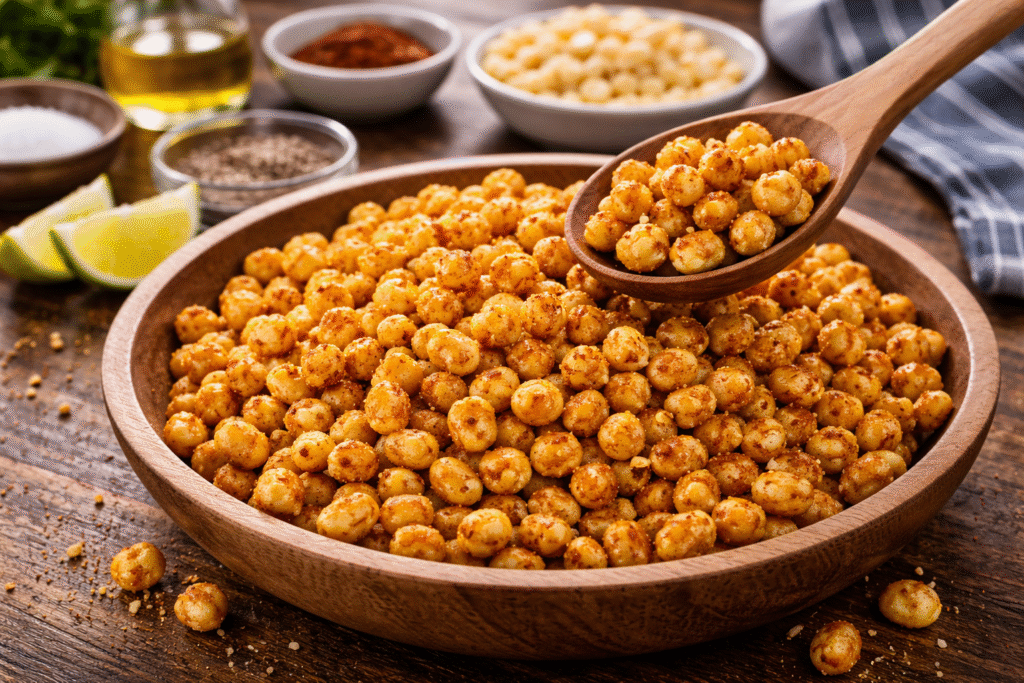
Learning how to make corn nuts recipe at home is easier than many people think. If you enjoy crunchy, salty snacks, homemade corn nuts can be a fun project and a practical alternative to store-bought versions. They are simple, flavorful, and easy to customize with your favorite seasonings.
The key is not just cooking the corn. Good corn nuts depend on choosing the right type of corn, soaking it properly, drying it well, and then baking or frying it until it becomes crisp. Small details matter here. If you skip one important step, the texture can turn chewy instead of crunchy.
This guide explains the full process in a clear way, including the best corn to use, two cooking methods, seasoning ideas, storage tips, and common mistakes to avoid.
What Are Corn Nuts?
Corn nuts are crunchy corn kernels that are soaked, cooked, and seasoned until they become dense and crisp. They are different from popcorn in both texture and flavor.
Popcorn becomes light and airy when heated. Corn nuts stay firm and crunchy. That dense bite is what makes them so popular as a snack.
Homemade corn nuts are especially appealing because you can control:
- the salt level
- the type of oil
- the seasoning blend
- the final texture
They work well as a snack on their own, but they can also be added to snack mixes or used as a crunchy topping for soups and salads.
The Best Corn to Use
This is one of the most important parts of the recipe.
To make proper corn nuts, you need large dried corn kernels, often sold as giant white corn or a similar specialty corn. Regular sweet corn will not work. Standard popcorn kernels also do not give the same result.
Good options
- giant white corn
- large hominy-style dried corn
- specialty dried corn sold for toasted corn snacks
What to avoid
- fresh corn
- canned sweet corn
- frozen corn
- regular popcorn kernels if you want classic corn nut texture
If you use the wrong corn, the result may be too hard, too soft, or simply not close to real corn nuts.
Ingredients You Need
A basic homemade corn nuts recipe does not require many ingredients.
For the base recipe
- 2 cups large dried corn kernels
- water for soaking
- 1 to 2 tablespoons oil
- 1 teaspoon salt, or to taste
Optional seasonings
- garlic powder
- onion powder
- black pepper
- smoked paprika
- chili powder
- cayenne pepper
- ranch seasoning
- lime zest or lime seasoning
You can keep the first batch simple. Once you understand the texture, you can try more flavors later.
Equipment That Helps
You do not need special tools, but a few kitchen basics make the process easier.
- large bowl for soaking
- colander for draining
- clean kitchen towel or paper towels
- baking sheet if using the oven
- heavy pot if frying
- slotted spoon
- thermometer for oil, if frying
- airtight container for storage
Why Soaking Matters
Soaking is not optional if you want good corn nuts. It helps the dried kernels absorb moisture, which improves the final texture.
Without soaking, the kernels can stay too hard in the center. They may brown on the outside before they become properly crisp inside.
How long to soak
Soak the dried corn for at least 8 to 12 hours. Overnight is the easiest method.
After soaking
Drain the corn well and pat it dry thoroughly. This step matters even more if you plan to fry the kernels. Extra surface moisture can cause oil splatter and can also affect browning.
A practical tip from home cooking experience: dry the soaked kernels more than you think you need to. Slight dampness is fine, but wet kernels usually lead to uneven results.
How to Make Corn Nuts Recipe in the Oven
Baking is the easier and less messy method. It usually gives a slightly lighter result than frying, though the crunch can still be very good if you are patient.
Oven Method
Soak the corn
Place the dried kernels in a large bowl and cover them fully with water. Leave them overnight.
Drain and dry
Drain the kernels and spread them on a towel or paper towels. Pat them dry well.
Preheat the oven
Set your oven to 400°F (about 200°C).
Season the kernels
Place the soaked and dried corn in a bowl. Toss with oil and salt. Add other dry seasonings if you like.
Spread on a baking sheet
Arrange the kernels in a single layer. Do not crowd them.
Bake
Bake for about 30 to 45 minutes, stirring every 10 to 15 minutes for even cooking.
Check for texture
They should look golden and feel firm. As they cool, they usually become crunchier.
Cool completely
Let them cool before tasting the final texture. Fresh from the oven, they may still seem a little soft.
Best for
- beginners
- lighter snacking
- people who prefer less oil
- anyone who wants simpler cleanup
How to Make Corn Nuts Recipe by Frying
Frying usually creates a more classic corn nut texture. The flavor is often deeper, and the crunch is stronger. It also requires more attention.
Fried Method
Soak the corn
As with the oven method, soak the dried kernels overnight.
Drain and dry very well
This step is especially important. Wet kernels and hot oil are not a good combination.
Heat the oil
Add enough oil to a heavy pot for shallow or medium-depth frying. Heat it to about 350°F (175°C).
Fry in small batches
Carefully add a small batch of kernels. Do not overcrowd the pot.
Cook until golden and crisp
Stir gently while frying so they cook evenly. Remove when they are deep golden.
Drain on paper towels
Use a slotted spoon and let excess oil drain.
Season while warm
Add salt and any dry seasoning while the kernels are still warm so the flavor sticks better.
Best for
- deeper flavor
- stronger crunch
- a more classic snack texture
Safety note
Frying corn can cause some popping or splattering. Use caution, work in small batches, and never leave hot oil unattended.
Baked vs. Fried: Which Is Better?
Both methods can work well. The better choice depends on what you want.
Baked corn nuts
- easier for beginners
- less messy
- slightly lighter
- may be a bit less crunchy than fried
Fried corn nuts
- more traditional texture
- richer flavor
- stronger crunch
- more cleanup and more care needed
If this is your first time, baking is a good place to start. Once you understand the process, you can try frying for a more snack-shop style result.
Common Mistakes to Avoid
This recipe is simple, but the texture can go wrong if a few details are missed.
Using the wrong corn
This is the biggest issue. The wrong type of kernel changes everything.
Not soaking long enough
Short soaking time often leads to an unpleasant hard center.
Skipping proper drying
Wet kernels bake and fry poorly.
Overcrowding the pan
Crowded kernels cook unevenly.
Removing them too early
Corn nuts often crisp more as they cool, but undercooked ones stay chewy.
Burning them at the end
They can go from golden to too dark quickly, especially in the oven.
Over-seasoning
It is easier to add more seasoning later than to fix an overly salty batch.
How to Know When They Are Done
This is a common question because texture changes during cooling.
Corn nuts are usually ready when:
- the outside looks golden
- the kernels feel firm
- the surface is dry, not soft or oily
- they become crunchier as they cool
Do not judge the final texture only when they are hot. Let a few cool fully, then test them.
If they are still too chewy after cooling, return them to the oven for a little longer or fry them a bit more carefully next time.
How to Keep Corn Nuts Crispy
Homemade corn nuts can lose crunch if stored while still warm or exposed to moisture.
For best storage
- cool completely before storing
- use an airtight jar or container
- keep them at room temperature
- avoid humid places
They are usually best within a few days, though they may last longer if stored well.
If they soften slightly, you can often crisp them again in the oven for a few minutes.
Are Homemade Corn Nuts Healthier Than Store-Bought?
Homemade corn nuts can be a better option than many packaged snacks because you have more control over the ingredients. You can adjust the amount of salt, choose the oil yourself, and avoid unnecessary additives or flavor enhancers often found in store-bought versions.
From a nutrition point of view, corn nuts are mainly a carbohydrate-based snack with a small amount of plant protein and fiber, depending on the corn used. They can be satisfying because of their dense texture and crunch, but portion size still matters since they are easy to overeat.
If you want to make them more nutrition-friendly:
- use moderate salt
- prefer baking over frying
- use a heart-healthier oil if frying
- serve them in small portions instead of eating straight from the jar
For some people, homemade corn nuts may work well as an occasional crunchy snack, especially when paired with other balanced foods such as roasted chickpeas, nuts, or fresh vegetables. However, those watching sodium intake, calorie intake, or digestive tolerance to dense crunchy foods should enjoy them mindfully.
Easy Serving Ideas
Corn nuts are usually eaten as a snack, but they can be used in other ways too.
- add to party snack mixes
- serve in small bowls for movie night
- use as a crunchy topping for soups
- sprinkle over salads instead of croutons
- pack in lunchboxes in small portions
- offer as part of a snack board with nuts and roasted chickpeas
These small serving ideas can make homemade corn nuts feel more versatile and practical.
Frequently Asked Questions
Can I use popcorn kernels instead?
Not for the classic result. Popcorn behaves differently and will not give the dense corn nut texture most people expect.
Why are my corn nuts chewy?
They may need more drying, more cooking time, or a longer soak.
Do I really need to soak them overnight?
Yes, in most cases. Soaking is one of the key steps for texture.
Can I make them in an air fryer?
Possibly, but results can vary by machine and kernel type. If you try it, use a moderate temperature and shake the basket often.
Can I use canned hominy?
Canned hominy is already very moist and soft, so it usually does not create the same crunchy result as dried large corn.
What oil is best?
Neutral oils such as vegetable oil, canola oil, or another mild cooking oil usually work best.
Conclusion
If you want to learn how to make corn nuts recipe at home, the process is straightforward once you understand the basics. The right corn, enough soaking time, proper drying, and careful cooking make the biggest difference.
You can bake them for an easier method or fry them for a more traditional crunch. Either way, homemade corn nuts give you better control over flavor, texture, and ingredients.
Start with a small salted batch first. Once you get the texture right, try garlic, chili lime, or smoky spice versions. That simple approach usually leads to the best results.