
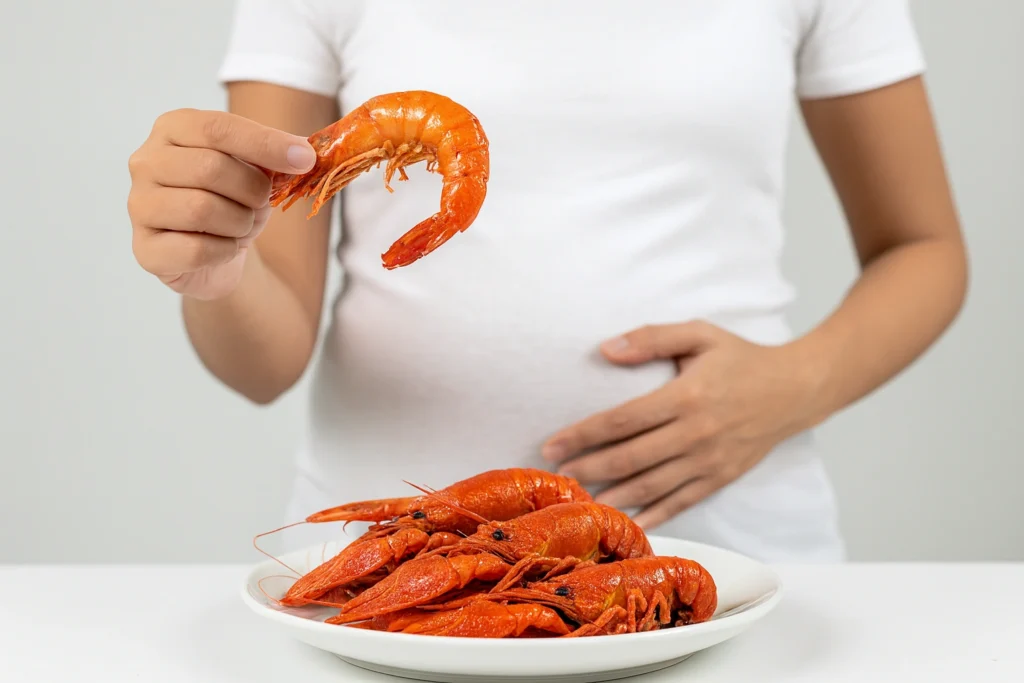
Pregnancy brings a swirl of emotions — joy, curiosity, and often, endless food questions. One of the most common is whether you can enjoy your favorite seafood dishes without worry. If you’ve been craving a buttery lobster roll or a perfectly cooked lobster tail, you’re not alone.
So, can you eat lobster while pregnant?
The reassuring answer is yes — you can, as long as it’s cooked thoroughly and eaten in moderation. According to the NHS and Mayo Clinic, lobster is considered a low-mercury seafood, making it a safe and nutritious choice for expectant mothers when prepared properly.
In this article, we’ll explore what makes lobster safe, how to eat it during different trimesters, and what seafoods to avoid — so you can satisfy your cravings confidently and safely.
Why Seafood Matters During Pregnancy
Seafood plays an important role in a healthy pregnancy diet. It’s rich in high-quality protein, omega-3 fatty acids (DHA and EPA), vitamin B12, and iodine — nutrients that support your baby’s brain and eye development.
According to the American Pregnancy Association, eating low-mercury fish such as lobster, shrimp, and crab can also help reduce inflammation and improve overall maternal health.
However, not all seafood is created equal. Some fish contain high levels of mercury, which can harm the developing nervous system of a baby. The key is knowing which seafood to eat and which to avoid.
What Seafood to Avoid During Pregnancy
The NHS and FDA recommend limiting or avoiding fish that are high in mercury, such as:
- Shark
- Swordfish
- King mackerel
- Tilefish
- Bigeye tuna
These fish tend to accumulate mercury due to their size and lifespan. On the other hand, lobster, crab, and shrimp are considered safe seafood options when cooked well.
For reference, the list of safe fish during pregnancy includes:
- Lobster
- Crab
- Shrimp
- Salmon
- Sardines
- Pollock
- Tilapia
These species are low in mercury and can be safely enjoyed a few times a week.
Is It Safe to Eat Lobster While Pregnant?
Yes. According to the NHS and Mayo Clinic, you can safely eat lobster while pregnant — provided it is fully cooked. Raw or undercooked lobster, however, should be completely avoided because it can carry harmful bacteria and parasites such as Listeria monocytogenes.
Healthline explains that cooking lobster until it reaches an internal temperature of 145°F (63°C) kills these pathogens, making it perfectly safe for expectant mothers.
So, whether you’re at a seaside restaurant or cooking at home, always ensure your lobster is steamed, boiled, baked, or grilled until the flesh turns opaque and firm.
Is Lobster High in Mercury?
Good news: lobster is not high in mercury. Compared to large predatory fish like tuna or swordfish, lobster falls into the low-to-moderate mercury category.
The FDA recommends that pregnant women consume 8–12 ounces (about two to three servings) of low-mercury seafood per week. This means you can safely enjoy lobster occasionally as part of a balanced seafood rotation — alternating with crab, shrimp, or salmon.
Eating lobster within this range helps you gain its nutritional benefits without exceeding mercury limits.
Nutritional Benefits of Lobster during Pregnancy
Lobster offers more than just delicious flavor — it’s a nutrient-rich addition to your prenatal diet. Here’s what one serving of lobster (about 3 ounces) provides:
- Lean Protein: Essential for baby’s tissue and muscle development.
- Vitamin B12: Supports red blood cell production and nervous system health.
- Choline: Aids brain and spinal cord development in the fetus.
- Omega-3 Fatty Acids: Promote cognitive growth and vision.
- Selenium & Iodine: Support thyroid function and metabolism.
When compared to other popular options like shrimp and crab, lobster holds a similar nutrient profile but with a more indulgent flavor — making it a great “treat meal” during pregnancy.
Can You Eat Cooked Lobster While Pregnant?
Absolutely. In fact, cooked lobster is the only safe way to eat it during pregnancy.
Stick to cooking methods such as:
- Boiling or steaming until the shell turns bright red and flesh turns white.
- Grilling or baking at high temperatures.
Avoid raw, undercooked, or cold-served lobster dishes (like sushi, ceviche, or salads left at room temperature).
If you’re eating out, don’t hesitate to ask the restaurant how the lobster is prepared — it’s always better to double-check.
Lobster Safety by Trimester
First Trimester
In early pregnancy, your immune system is more sensitive. Focus on food safety and freshness. Choose simply cooked lobster dishes (boiled or steamed) without heavy sauces or butter that might worsen morning sickness.
Second Trimester
During the middle months, your appetite often increases, and cravings become stronger. It’s safe to enjoy cooked lobster or lobster rolls made from freshly cooked meat, but avoid lobster that’s been left unrefrigerated.
Third Trimester
In later pregnancy, heartburn and bloating are more common. Opt for lighter lobster meals — like grilled lobster with lemon and vegetables — instead of buttery bisques or creamy rolls.
This approach helps you enjoy your craving while keeping digestion comfortable.
Can You Eat Lobster Rolls While Pregnant?
Yes — but only if they’re made with freshly cooked lobster and stored correctly.
Cold lobster rolls are safe only when the lobster was cooked earlier and properly chilled immediately afterward. Avoid any lobster rolls from buffets or delis that may have sat out for hours.
When in doubt, ask how the lobster was prepared. A warm lobster roll made with freshly cooked meat is the safest and tastiest option for pregnant women.
Can You Eat Sushi While Pregnant (and What About Lobster Sushi)?
The short answer: you can eat sushi if it’s made with cooked seafood — but avoid raw fish and shellfish.
According to the NHS, sushi rolls containing cooked lobster, shrimp, or crab are fine. However, raw lobster sushi or sashimi is unsafe due to the risk of bacterial infection.
So, if you’re craving sushi during pregnancy, stick to cooked versions such as California rolls or lobster tempura rolls.
Can You Eat Crab or Shrimp While Pregnant?
Yes — both are safe when cooked thoroughly. Like lobster, crab and shrimp are low in mercury and provide similar nutritional benefits.
The NHS confirms that these shellfish can be part of a healthy pregnancy diet when prepared properly. Rotating between lobster, crab, shrimp, and fish like salmon helps diversify nutrients while keeping mercury intake low.
Practical Tips for Safely Enjoying Lobster during Pregnancy
- Buy from a trusted source. Choose reputable fishmongers or restaurants with high food safety standards.
- Store and cook properly. Refrigerate raw lobster immediately and cook it to 145°F (63°C).
- Limit butter and salt. Heavy sauces can cause heartburn and swelling in later pregnancy.
- Eat in moderation. Stick to one or two lobster meals per week within the FDA’s 8–12-ounce seafood guideline.
- Consult your healthcare provider. If you have a shellfish allergy, digestion issues, or any pregnancy-related complications, check before adding lobster to your diet.
After Birth: Lobster and Breastfeeding
Once your baby arrives, you can continue enjoying lobster while breastfeeding. The same cooking and hygiene rules apply.
In fact, the Mayo Clinic notes that eating a variety of low-mercury seafood during breastfeeding provides important omega-3s that support your baby’s brain growth.
Just remember: some babies may react to flavors passed through breast milk, but this is temporary and harmless.
Sustainable & Ethical Seafood Choices
As new parents, you’re thinking about your baby’s future — and that includes the planet. Choosing sustainably sourced lobster supports ocean ecosystems and ensures healthier seafood long-term.
Look for labels such as MSC (Marine Stewardship Council) or ask your fishmonger about sustainable sources. It’s a small choice with a big impact.
Final Thoughts: Can You Eat Lobster While Pregnant?
Yes, you absolutely can.
Lobster is safe to eat during pregnancy — as long as it’s cooked thoroughly, enjoyed in moderation, and sourced responsibly.
Health authorities like the NHS, Mayo Clinic, and What to Expect agree: cooked lobster, crab, and shrimp are among the safest seafood choices for expectant mothers.
So, whether you’re in your first, second, or third trimester, you can confidently enjoy that delicious lobster meal. Just remember — freshness, temperature, and moderation are key.
Pregnancy cravings don’t have to mean giving up your favorite foods. With the right information and a bit of care, you can savor every bite safely — and guilt-free.